
Planting
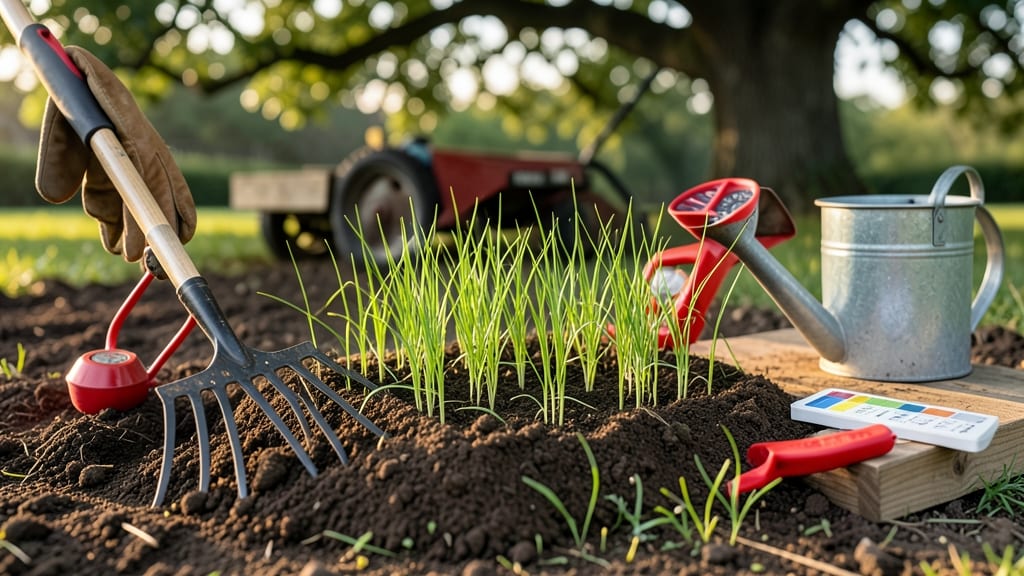
Planting grass seed in North Carolina at the right time means the difference between a lush, durable lawn and a patchy, high-maintenance mess—so timing is everything.
Picture this: you’ve spent hours prepping your soil, spreading seed, and dreaming of that perfect green carpet—only to watch it wither under the summer sun or freeze before it even sprouts.
That’s why spring and fall are your best bets, but the exact window depends on where in the state you live.
In zones 6a-8b, early spring (March-April) and early fall (September-October) give your 🌱 turfgrass the ideal conditions: cool soil, steady moisture, and no extreme heat to stress young roots.
But coastal areas, the Piedmont, and the mountains each have their own quirks—like humidity levels or frost dates—that can shift the perfect planting window by weeks.
Below, I’ll break down the best months by zone, how to prep your soil for success, and the one mistake that ruins more lawns than anything else (spoiler: it’s watering).
Best months to plant grass seed in North Carolina by USDA hardiness zones
North Carolina's diverse climate—from the cool mountain regions to the humid coastal plains—means grass seed planting times vary dramatically by USDA zone. In Zone 5a (mountains), you'll need to wait until after the last frost, while Zone 8b (coastal areas) offers a longer window.
The key is planting when soil temperatures are between 60°F and 75°F for optimal germination. This usually falls in early spring or early fall, but let's break it down by zone to avoid common mistakes like summer heat stress or winter dormancy.
Most gardeners in North Carolina focus on two ideal planting windows: late winter to early spring (March-April) and early fall (September-October). Spring planting gives seeds time to establish before summer heat, while fall planting avoids summer drought and pests.
However, Zone 6a and 7a (Piedmont region) have slightly different timing due to their moderate climate. Let's explore the best months for each zone to ensure your lawn thrives.
Here’s a quick reference for optimal planting months across North Carolina’s 7 USDA zones, including soil temperature thresholds and key considerations:
| USDA Zone | Best Planting Months | Soil Temp. Range (°F) | Key Considerations |
|---|---|---|---|
| 5a (Mountains) | Late April–May or September | 60–70°F | Wait for last frost (avg. April 15); avoid late fall planting. |
| 6a (Mountains/Piedmont) | March–April or September–October | 60–75°F | Spring planting risks drought; fall allows 6+ weeks of growth. |
| 6b (Piedmont) | February–March or August–September | 65–75°F | Early spring planting benefits from cooler temps; avoid July heat. |
| 7a (Coastal Piedmont) | March–April or September–October | 65–78°F | Humidity is higher; water consistently to prevent fungal issues. |
| 7b (Coastal) | February–March or August–September | 70–78°F | Warmer zones allow earlier spring planting; avoid November frost. |
| 8a (Coastal Plains) | January–February or August–September | 70–80°F | Longer growing season; plant warm-season grasses in late spring. |
| 8b (Coastal) | January–March or September–October | 72–80°F | Mild winters allow year-round planting; prioritize fall for best results. |
For Zone 5a gardeners in the mountains, like those in Asheville, timing is critical. Planting in late April or early May ensures seeds germinate before summer drought sets in.
In contrast, Zone 8b areas like Wilmington can start as early as January for warm-season grasses like Bermuda or Zoysia, but cool-season grasses like tall fescue still thrive in September. The key is to avoid extreme heat or cold
How to choose the right grass seed type for North Carolina's climate and soil
North Carolina's diverse climate and varied soil types demand careful grass seed selection. Cool-season grasses like tall fescue thrive in spring and fall, while warm-season Bermuda and zoysia dominate summer. Your choice impacts drought tolerance, shade performance, and maintenance needs—so pick wisely for long-term success.
Cool-season grasses excel in cooler months (March-May, September-November) when temperatures hover between 60°F-75°F. Warm-season varieties, however, prefer summer heat (June-August) and dormancy in winter. Let’s break down the best options for NC’s humid subtropical conditions and when to plant each for maximum root growth.
🌱 Comparison Table: Best Grass Seed Types for North Carolina
Tall fescue is my top recommendation for North Carolina homeowners due to its adaptability. It handles NC’s humidity and occasional droughts better than other cool-season grasses, making it ideal for overseeding in spring or fall. Plant it 4-6 weeks before the average last frost date (typically by April 1 in most zones) for best results.
If you’re in southern NC (Zones 7b-8b), Bermuda grass is a powerhouse for summer lawns but requires full sun and regular mowing. Plant it in late spring (May-June) when soil temps exceed 65°F.
For low-maintenance options, zoysia is drought-resistant and stays green longer into fall—perfect for coastal areas with salty air.
For shady lawns, mix tall fescue with fine fescue for better coverage. Avoid warm-season grasses in low-light areas—they’ll struggle. Test your soil’s pH (6.0-7.0 ideal) and amend with compost before planting to ensure strong root growth.
Pro tip: If you’re overseeding an existing lawn, choose a cool-season blend in late summer (August) to outcompete weeds before winter. Water deeply twice daily for the first 2 weeks to encourage germination.