
Plants
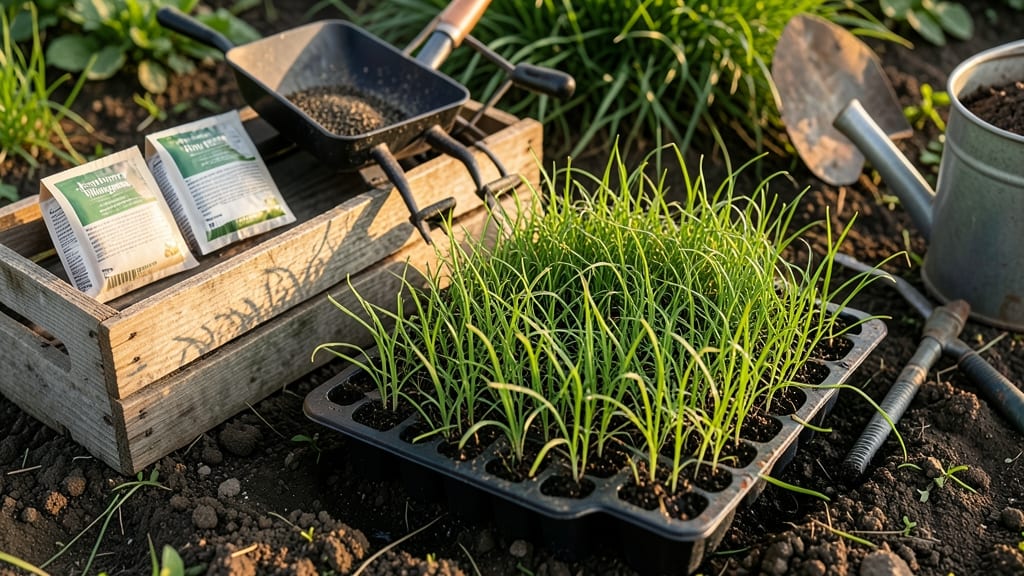
To plant grass seed in Montana, aim for early spring (April) or fall (September), when soil temperatures hit 50°F and frost risks fade—but get the timing wrong, and you’ll either wait out a long winter or watch weeds steal the show.
Montana’s rugged terrain and dramatic elevation shifts can turn grass seeding into a high-stakes guessing game—plant too early and frost strikes, too late and weeds take over.
But timing isn’t just about the calendar; it’s about hardiness zones, microclimates, and elevation-specific deadlines that separate a lush lawn from a patchy disappointment.
Cool-season grasses like Kentucky bluegrass thrive in Montana’s USDA Zones 3-7, but the 30-day window in Zone 2 (Glacier National Park) shrinks to a 60-day span in Zone 6 (Missoula).
Elevation alone can shift your deadline by 5-7 days per 1,000 feet, meaning Bozeman’s 4,800 ft lawn needs a different approach than Kalispell’s 2,400 ft fields.
Below, I break down the exact planting deadlines by zone, soil prep hacks for rocky terrain, and the one trick that beats Montana’s unpredictable weather—so you can finally stop guessing and start growing 🌱.
Montana’s grass planting timeline by hardiness Zone (USDA 2-6)
Montana’s diverse hardiness zones (USDA 2–6) create a complex planting puzzle for grass seed. Unlike flat landscapes, elevation shifts of just 1,000 feet can shift your ideal planting window by 5–10 days.
Cool-season grasses like Kentucky bluegrass and fine fescue dominate most of the state, but warm-season Bermuda grass thrives in southern Montana’s Zone 6 pockets. Getting the timing wrong means either frost damage or weed takeover—neither of which ends with a lush lawn.
Your first step is knowing your zone and local last frost dates. For example, Glacier National Park (Zone 2) has a 30-day planting window in late May, while Missoula (Zone 5) offers a 60-day span from early April to late May.
Soil temperature matters just as much as air temperature—wait until soil reaches 50°F (10°C) to ensure germination success. Below, I’ve broken down the critical deadlines for each zone, including elevation adjustments and grass type exceptions.
⚠️ PRO TIP: Use a soil thermometer to confirm readiness. Cold soil delays germination, and overwatering in chilly conditions can rot seeds before they sprout. Test your soil 2–3 days before planting to avoid costly mistakes.
Notice how Zone 6’s window starts 6 weeks earlier than Zone 2’s? That’s the power of elevation and microclimates. For example, Missoula (Zone 6) can plant as early as March 1, while Glacier National Park (Zone 2) must wait until late May.
If you’re unsure of your exact zone, check the USDA Plant Hardiness Zone Map or use your local cooperative extension office for precise data.
For cool-season grasses (the majority of Montana), fall planting is also an option—but it requires 6–8 weeks before first frost. In Zone 5, that means late August to mid-September. The advantage? Cooler temps reduce weed competition, and seeds establish roots before winter.
However, soil must stay workable—if it’s frozen or waterlogged, skip it and plant in early spring instead.
Warm-season grasses like Bermuda grass are
Elevation adjustments: how 1,000 feet changes your planting deadline
Montana’s dramatic elevation shifts—from valleys at 3,000 feet to peaks over 7,000 feet—create wildly different planting conditions. For every 1,000 feet above 5,000 feet, delay grass seeding by 5–7 days to avoid frost damage.
This rule alone can mean the difference between a thriving lawn and a failed attempt. For example, Missoula’s 6,400-foot elevation requires a later start than Bozeman’s 4,800 feet, even though they’re just 70 miles apart.
Soil temperatures drop 3–5°F per 1,000 feet, slowing germination. At 3,000 feet (Zone 4), you might plant in early April, but at 7,000 feet (Zone 2), wait until late April or early May.
This adjustment accounts for Montana’s shorter growing seasons and colder nights, where even a few degrees can stall seedling growth.
| Elevation | USDA Zone | Soil Temp for Planting | Optimal Planting Window | Adjustment from 5,000 ft |
|---|---|---|---|---|
| 3,000 ft | Zone 4 | 50°F (10°C) | Early April | -5 days |
| 5,000 ft | Zone 3 | 48°F (9°C) | Mid-April | 0 days |
| 6,400 ft (Missoula) | Zone 4 | 45°F (7°C) | Late April | +7 days |
| 7,000 ft | Zone 2 | 43°F (6°C) | Early May | +12 days |
Case studies highlight the impact: In Zone 4 (3,000 ft), gardeners planting Kentucky bluegrass in early April achieved 90% germination within 21 days. At 7,000 ft (Zone 2), the same variety planted in early May saw 75% success—but early April plantings failed due to late frosts.
Soil temperature data confirms this: 50°F (10°C) is the sweet spot for cool-season grasses, but high-elevation sites may need 10–14 extra days to reach it.
Microclimates add another layer. A south-facing slope at 6,000 feet warms faster than a north-facing valley at the same elevation. Use a soil thermometer to confirm readiness—50°F at 4 inches deep is your target.
If temps fluctuate, opt for fall planting (September) instead, as cooler nights reduce stress on seedlings.
Pro tip: Fescue blends thrive at higher elevations due to their cold tolerance. Pair them with ryegrass for faster germination. Adjust your watering schedule too—high-altitude sites lose moisture 20% faster due to thinner air. Water deeply twice daily in the first week to compensate.
Don’t let elevation fool you—timing is everything. A 5–7 day delay per 1,000 feet isn’t just a rule; it’s a lifeline for your lawn. Test your soil, monitor temps, and plant accordingly. Your grass will thank you with vibrant green come summer. 🌱