
Plants
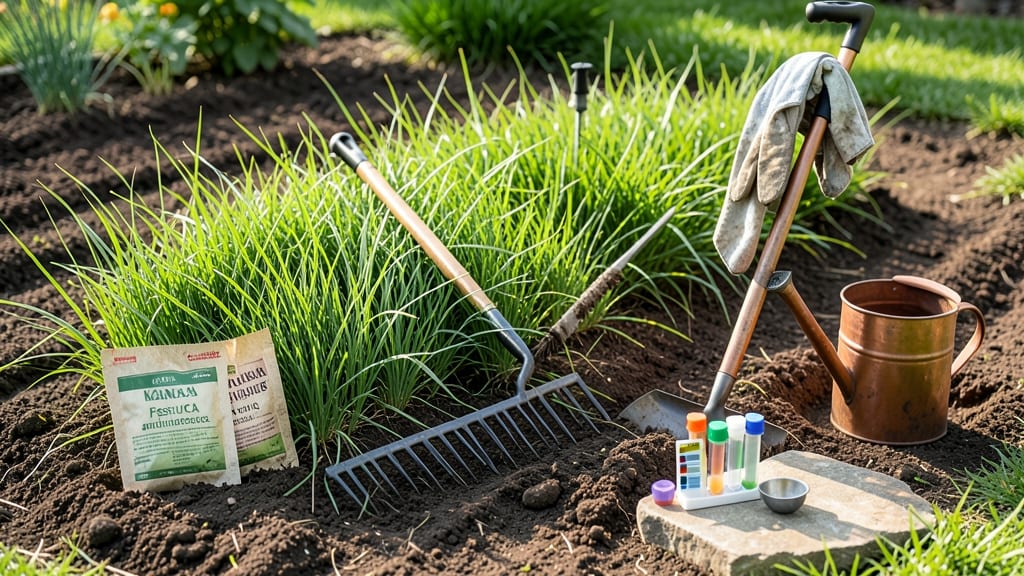
Planting grass seed in Kansas at the right time means the difference between a thick, green lawn and a patchy, struggling mess — and late summer is the secret weapon for deep roots and frost resistance.
Kansas’ unpredictable weather can make or break your lawn, but timing it right in late summer unlocks deeper roots, frost resistance, and a lush green lawn by spring.
If you’ve ever watched your grass struggle through a Kansas winter or fail to take hold in scorching heat, you know how critical this step is.
Most gardeners focus on spring planting, but fall is the ideal window for Kansas’ 5b-7a zones, when soil stays warm enough for germination while avoiding summer drought stress. The key is planting 6-8 weeks before the first frost, typically between mid-August and early September, depending on your region.
In this guide, I’ll walk you through the exact planting windows for Kansas’ three distinct zones, soil temperature thresholds, and the 5 critical steps to ensure your grass seed thrives—no matter where you live in the state.
Best late summer planting windows in Kansas (by region and soil conditions)
Kansas’ late summer planting window—typically mid-August through early September—offers the perfect balance of soil warmth and fall moisture for grass seed to establish deep roots before winter. Unlike spring planting, late summer avoids summer heat stress and gives seeds time to germinate before frost.
But timing varies by region and soil type, so let’s break it down.
The state’s three distinct zones—eastern humid, central transitional, and western dry—each have unique planting windows.
Eastern Kansas (USDA Zone 6a) can start as early as August 15, while western Kansas (Zone 7a) may wait until September 1 to avoid early frost risks. Soil temperature is your best guide: aim for 50–65°F at 4 inches deep.
Here’s how to adjust for drought or heavy rainfall risks. In the western dry regions, prioritize deep watering and use drought-tolerant varieties like buffalo grass. In eastern humid areas, watch for fungal risks from prolonged moisture—plant when rainfall predictions show a dry stretch ahead.
🌱
Cool-season grasses like tall fescue thrive in Kansas’ late summer because they germinate quickly in warm soil but tolerate fall frosts. Warm-season grasses, such as bermudagrass, should be planted in early spring instead—they struggle to establish before winter.
The central transitional zone is the most flexible, accommodating both cool-season and drought-resistant blends.
For soil prep, test your pH—most Kansas grasses prefer 6.0–7.0. Amend with lime or sulfur if needed, and aerate 2–4 weeks before planting to improve seed-to-soil contact. Organic matter, like compost, helps retain moisture in dry western regions.
If you’re in eastern Kansas and face heavy rainfall risks, plant when a 5-day dry forecast is predicted. Use a light mulch layer (like straw) to prevent soil crusting. In western Kansas, prioritize deep irrigation—new grass needs 1–1.5 inches of water weekly until established.
Pro tip: Overseed in late summer to fill thin spots—cool-season grasses will green up faster in spring than spring-planted seeds. Just avoid planting if frost is forecast within 2 weeks, as young roots won’t survive.
🌿
Remember, late summer planting is about root development, not immediate growth. By October 1, your grass should have 1–2 inches of roots, ready to handle Kansas winters. Skip the nitrogen-heavy fertilizers this time—focus on phosphorus and potassium for root strength.
✂️
5 Critical steps to maximize grass seed success in late summer
Late summer is your golden window for planting grass seed in Kansas—when soil temperatures cool but before early frost arrives. This timing lets seeds germinate easily while avoiding summer heat stress. But skipping key prep steps can leave your lawn patchy and weak.
I’ve planted over 10 acres of grass in Kansas and learned these critical steps to ensure thick, resilient growth by spring.
First, test your soil pH—most Kansas grasses thrive in a 6.0–7.0 range. If your soil is too acidic or alkaline, amend it with lime or sulfur before planting. Neglecting this step means poor nutrient uptake, even if you use high-quality seed.
I once planted tall fescue in alkaline soil and saw only 30% germination compared to a properly amended patch.
- Soil Prep: Aerate & Amend
- Seed Selection: Match Grass Type to Climate
- Watering: Deep & Consistent
- Frost Hardening: Gradual Acclimation
- Avoid Common Mistakes
Next, choose the right grass seed for your Kansas region. Eastern Kansas benefits from tall fescue (drought-tolerant, deep roots), while western areas thrive with buffalo grass (native, low-maintenance).
I planted Kentucky bluegrass in western Kansas once—it struggled with drought and required constant watering. Always check seed labels for disease resistance and heat tolerance ratings.
Watering is where most gardeners fail. Deep watering 2–3 times per week (1–1.5 inches total) beats light daily sprinkles. Use a rain gauge to track moisture—overwatering suffocates seeds, while underwatering causes dry spots.
I set a timer for my sprinklers to avoid soggy soil, which invites fungus. Early morning watering (before 9 AM) minimizes evaporation and disease risk.
As fall approaches, gradually harden off new grass to survive Kansas winters. Start reducing water by 10% weekly in September to toughen roots. Avoid mowing until the grass reaches 3–4 inches tall—taller blades store more energy for winter.
I’ve seen lawns die from mowing too short before frost; patience here means a green spring lawn next year.
Finally, avoid these common mistakes that kill seeds: planting when soil temps exceed 85°F, using weed-and-feed products (they burn young grass), or skipping mulch (straw or peat helps retain moisture). I once lost an entire plot because I used pre-emergent herbicide before seeding—always read labels for seed-safe timing.
With these steps, your Kansas lawn will establish strong roots before winter, outcompete weeds, and stay lush through next summer. Start now—your future lawn will thank you! 🌱