
Plants
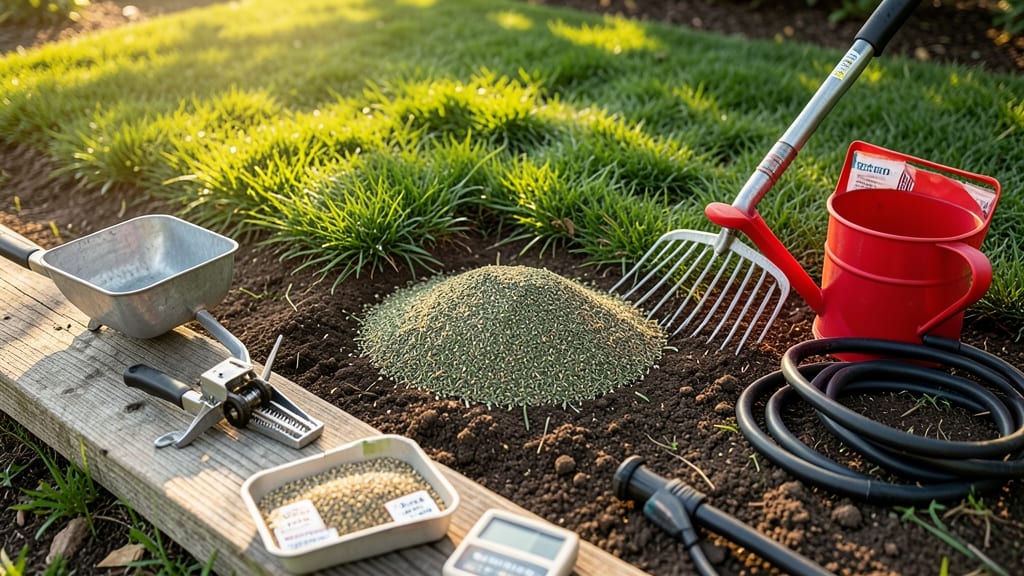
Planting grass seed in Houston requires perfect timing to beat the heat and humidity—aim for early fall or late spring when soil temperatures sit between 60°F and 75°F for ideal germination.
Houston’s scorching summers and unpredictable weather can turn grass seeding into a high-stakes gamble—but timing it right ensures a lush, resilient lawn. Plant too early or too late, and you risk wasted seeds, weeds, or weak growth.
Most Houston gardeners make the same three mistakes: planting during peak summer heat, skipping soil prep, or choosing the wrong grass type for our clay-heavy soil. These errors can derail even the best-laid plans.
In this guide, I’ll break down the best months for planting, how to prep your soil, and which grass types thrive in Houston’s climate—so you can avoid costly mistakes and grow a lawn that stays green all year.
Houston grass seed planting calendar: best months and why
Houston’s humid climate and hot summers demand precise timing for grass seed success. The best months to plant are September-October (fall) and March-April (spring), when temperatures and humidity create ideal germination conditions.
Fall planting gives seeds 6-8 weeks of warm soil before winter, while spring planting avoids the peak summer heat that dries out young grass.
Urban Houston areas often experience higher heat islands than suburban zones, meaning soil stays warmer longer. This shifts the optimal window slightly earlier in urban areas—aim for late August instead of September. Always check soil temperature (use a soil thermometer) before planting: 60°F-75°F is perfect for germination.
Comparison Table: Houston Grass Seed Planting Windows
Fall planting is superior for cool-season grasses like tall fescue or ryegrass because Houston’s mild winters allow roots to establish before dormancy. These grasses thrive in 60°F-75°F soil and can handle Houston’s occasional light frost without dying.
For warm-season grasses like Bermuda or Zoysia, spring planting ensures they outpace weeds during the growing season.
Houston’s clay-heavy soil can become compacted during summer, making it crucial to aerate before planting. If you’re seeding in suburban areas, test your soil’s pH (6.0-7.0 ideal) and amend with compost or sand if needed.
Urban lawns often need more frequent watering due to heat absorption from pavement and buildings.
Never plant during Houston’s peak summer months (June-August). Seeds bake in 90°F+ soil and fail to germinate, while young grass burns under intense sun. Even shade-tolerant grasses struggle without proper moisture. If you must repair a lawn in summer, use sod instead of seed for faster coverage.
For best results, plant grass seed in the early morning when temperatures are cooler. Cover seeds with ¼-inch of soil and keep the area consistently moist (not soggy) for 14-21 days until germination. Use a light mulch like straw to retain moisture and block weeds.
Houston’s humidity can also encourage fungal diseases like brown patch. Water deeply but infrequently—early morning is best—to let grass blades dry quickly. Avoid over-fertilizing during establishment, as excess nitrogen promotes weak, disease-prone growth.
Pro tip: If you miss the fall window, late February is your next best shot. By then, soil temperatures rise enough for warm-season grasses to germinate, but act fast—March heat arrives quickly. Always mow high (3-4 inches) once established to shade roots and retain moisture.
Timing your grass seed planting in Houston isn’t just about months—it’s about soil temperature, humidity, and microclimate. Master these factors, and you’ll outpace weeds, drought, and even Houston’s infamous summer heat for a lawn that stays green and resilient year-round. 🌱
3 Critical mistakes Houston gardeners make when planting grass seed
Planting grass seed in Houston can feel like a guessing game—especially when you’re battling 90°F+ temperatures and clay-heavy soil. Even experienced gardeners fall into traps that waste money, time, and effort.
The most common mistakes? Planting during peak heat, skipping soil prep, and choosing the wrong grass type for Houston’s climate. Let’s fix these before you reach for your seed packet.
First, many Houston gardeners rush to plant in late spring or summer when temperatures soar above 85°F. Grass seeds need consistent moisture and moderate soil temps (60°F–75°F) to germinate.
When you plant too early, seeds dry out before sprouting, leaving you with bare spots. Worse, weeds take over the empty space, making your lawn look patchy and unkempt.
⚠️ callout warning ⚠️
- Risk: Seeds bake in 90°F+ soil, germination drops to 10% or less.
- Fix: Wait for fall (Sept–Oct) or early spring (March–April) when soil temps stay 60°F–75°F.
- Pro Tip: Use a soil thermometer—if it’s above 80°F, delay planting.
Second, Houston’s clay soil is notorious for compacting and draining poorly. Many gardeners skip soil prep, assuming grass will grow anywhere. But without loosening the soil and amending it with compost or sand, seeds struggle to make contact with moisture.
A quick soil test can reveal whether your yard needs gypsum (for clay) or organic matter (for sand)—both critical for seed-to-soil contact.
Third, not all grass is created equal in Houston. St. Augustine and Bermuda dominate local lawns, but they require different care. Planting cool-season grasses (like ryegrass) in Houston’s heat is a recipe for failure—they’ll wilt within weeks.
Instead, match your grass type to your yard’s sun exposure and watering habits. Shady areas? Try Zoysia. Full sun? Buffalo grass thrives with minimal water.
Here’s the good news: fixing these mistakes is simple. Start by testing your soil (pH should be 6.0–7.5 for most grasses). Then, loosen the top 2–3 inches of soil with a rake or aerator.
Finally, choose a Houston-adapted grass seed mix and plant during the optimal window (Sept–Oct or March–April). With these tweaks, you’ll skip the guesswork and grow a lawn that stands up to Houston’s heat and humidity.
Remember, the best time to plant grass seed in Houston isn’t just about the calendar—it’s about soil conditions, grass type, and weather patterns. Skip the shortcuts, and your lawn will thank you for years to come. 🌱