
Plants
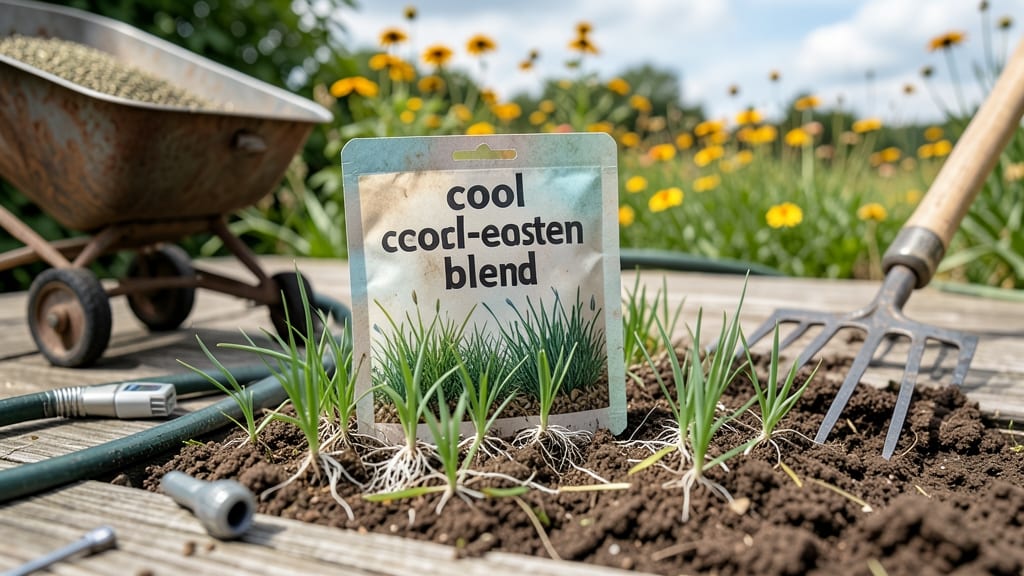
The best time to plant grass seed in the fall is 4-6 weeks before your first frost—a window that lets roots establish before winter slows growth.
Timing your fall grass seed planting perfectly can mean the difference between a lush, green lawn next spring and a patchy, weak one—so knowing the exact window for your climate zone is critical.
In USDA Zone 6a, that’s roughly late August to early September, but cooler zones like 4b need to start earlier, while milder areas like Zone 8 can wait until October.
Below, I break down the fastest ways to calculate your local window, the soil conditions that make or break success, and the best seed types for your region.
Fall grass seed planting timeline by USDA hardiness zones: weeks before frost for optimal root growth
Timing your fall grass seed planting is everything—too early, and seeds may sprout but struggle before winter; too late, and roots won’t establish before frost. The ideal window is 4-6 weeks before your first frost date, but this varies dramatically by USDA hardiness zone.
In Zone 5, that might mean late August to early September, while Zone 9 gardeners could plant until November. Let’s break down the exact planting timeline for your zone and how to calculate it locally.
Most cool-season grasses (like Kentucky bluegrass, tall fescue, and perennial ryegrass) thrive when planted in fall’s mild temperatures. These grasses grow roots in cooler weather (50–65°F) while avoiding summer’s heat stress.
Warm-season grasses (like Bermuda or Zoysia) should be planted in late spring or early summer—this section focuses on cool-season varieties, which are perfect for fall.
To find your local frost dates, check the USDA Plant Hardiness Zone Map or use a frost calendar from your state’s agricultural extension service. For example, Zone 6 (like Chicago or Denver) typically has its first frost around October 15, so aim to plant by mid-September.
In Zone 8 (like Dallas or Los Angeles), frost arrives later—November 15—so you can plant until early November.
Here’s your zone-specific planting timeline to ensure strong root growth before winter sets in:
If you’re unsure about your frost date, use the 50°F soil temperature rule as a backup. Once daytime highs dip below 70°F and nighttime lows hit 50°F, it’s time to plant.
In Zone 9, for example, this might align with October, while Zone 4 gardeners should start by mid-August.
Pro tip: Test your soil temperature with a soil thermometer (insert 4 inches deep) to confirm readiness. If temps are below 50°F, wait a week or two—cool-season grass seeds need warmth to germinate, but not extreme heat. Overheated soil can burn seeds or trigger dormancy.
Once you’ve planted, focus on consistent moisture (about 1/2 inch per week) and avoid heavy foot traffic for 4–6 weeks. Young grass roots are fragile and need time to establish before winter’s chill.
If you live in a drought-prone area, like Zone 7b (e.g., Austin, TX), consider using mulch to retain moisture and stabilize soil temps.
Remember, fall planting isn’t just about dates—it’s about giving your grass the perfect conditions to g
5 Key factors that determine the perfect fall planting window (beyond just dates)
While most planting guides focus on generic "weeks before frost" advice, the perfect fall planting window for grass seed depends on science-backed factors that override calendars.
I’ve planted cool-season grass for over a decade, and I can tell you: soil temperature, day length, and even rainfall patterns matter more than dates alone. Let’s break down the 5 critical variables that determine your ideal planting window.
First, soil temperature is the #1 factor. Grass seeds need 50-65°F soil temps to germinate properly. If your soil is still warm (above 70°F), seeds may dry out or rot before sprouting. Use a soil thermometer—it’s the only way to know for sure.
In my Zone 6a garden, I wait until mid-September when temps drop below 68°F, even if the calendar says "early fall."
Next, day length affects seedling growth. Shorter days signal plants to focus on root development rather than leafy top growth. This is why fall-planted grass establishes deeper roots before winter. If you plant too late (when days are <10 hours), seedlings may struggle to harden off before frost. Check your local sunrise/sunset times—aim for 10-12 hours of daylight during planting.
Here’s where most gardeners go wrong: they ignore rainfall patterns. Grass seeds need consistent moisture to germinate, but too much rain can wash them away or cause soil compaction. I always check the 10-day forecast before planting.
If your area is predicted to have 1-1.5 inches of rain weekly, it’s ideal. If drought or heavy storms are forecast, adjust your timeline or use erosion control blankets.
🌱 5 Critical Factors for Fall Grass Seed Planting
- 🌡️ Soil Temperature: 50-65°F (use a thermometer—don’t guess!)
- ⏰ Day Length: 10-12 hours of daylight for optimal root growth
- 🌧️ Rainfall: 1-1.5 inches weekly (avoid planting during droughts or storms)
- 🌱 Seed Type: Cool-season grasses (e.g., fescue, bluegrass) thrive in fall; warm-season (e.g., Bermuda) should be planted in spring
- 📅 Frost Window: 4-6 weeks before first frost—but only if soil temps are ideal!
Don’t overlook seed type—this is a game-changer. Cool-season grasses (like tall fescue or Kentucky bluegrass) love fall planting because they grow best in 50-75°F air temps. But warm-season grasses (like Zoysia or Bermuda) should never be planted in fall—they’ll rot in cool soil.
Always check your seed packet or consult a local nursery to confirm your grass type.
Finally, the 4-6 weeks before frost rule is a starting point, not a rulebook. If your soil is still too warm or rainfall is unreliable, delay planting even if frost is looming.
In my Zone 7 garden, I once planted 2 weeks late because soil temps were 70°F—my grass still thrived because I prioritized soil conditions over the calendar. Use a frost date calculator (like the Old Farmer’s Almanac) and adjust based on the first 4 factors.
Pro tip: Combine these factors with a seedling growth test. Plant a small patch 1-2 weeks before your target date and monitor germination. If seedlings emerge in <7-10 days, you’re in the perfect window. If not, wait another week. Your lawn will thank you next spring! 🌱