
Planting
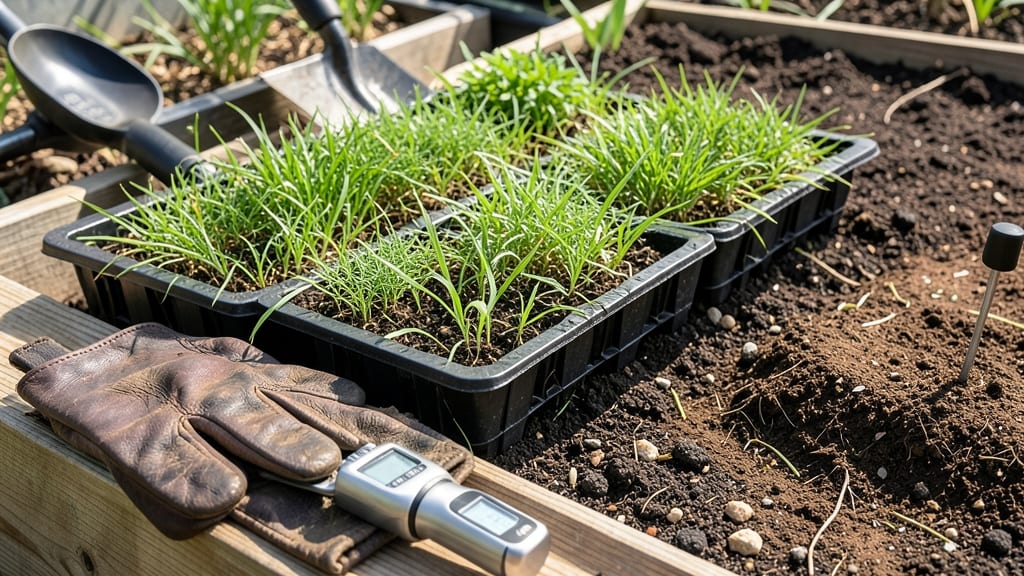
To plant grass seed in Florida, aim for late spring or early fall when soil temperatures hit 65°F–75°F—this is the sweet spot for fast germination and thick growth before summer’s brutal heat or winter’s occasional chills.
Miss this window, and you’ll end up with patchy lawns, wasted seed, or even fungal issues from Florida’s humidity. I’ve seen $200 bags of seed turn into a muddy mess because the timing was off—don’t let that happen to you.
Florida’s climate is tricky: warm-season grasses like St. Augustine or Bermuda need heat to thrive, while cool-season types (like ryegrass) struggle in our summers. The key is reading the soil—not just the calendar—and knowing when to act.
Below, I break down the exact month-by-month deadlines for your zone, soil prep tricks to outsmart weeds, and how to keep your new 🌱 turfgrass lush year-round without overwatering or burning through fertilizer.
Florida grass planting deadlines by month: soil temperature rules for success
Florida’s warm climate might make you think grass seed can be planted anytime, but soil temperature is the real game-changer for success. Warm-season grasses like Bermuda and St. Augustine need soil at 65°F+ to germinate, while cool-season varieties like Ryegrass thrive when soil cools to 55°F–65°F.
Planting outside these ranges means slow growth, weak roots, or even seed failure. Let’s break down the month-by-month deadlines for Florida’s three climate zones—North, Central, and South—to help you time it perfectly.
First, test your soil temperature before planting. Use a soil thermometer (available at garden centers) and check it 2–3 inches deep in the morning. If your soil is too cold or hot, wait—even a 10°F difference can delay germination by weeks.
For example, in North Florida, late summer’s 80°F+ soil is ideal for warm-season grasses, while Central Florida can plant slightly earlier in August. South Florida’s year-round warmth gives more flexibility, but even there, timing matters.
Why soil temperature? Grass seeds need warmth to activate enzymes that kickstart growth. Below 60°F, seeds may rot or fail to sprout. Above 85°F, they dry out too fast. Florida’s humidity and rain add another layer—planting during peak summer storms can wash seeds away, while fall’s gentle rains help them establish.