
Lawn
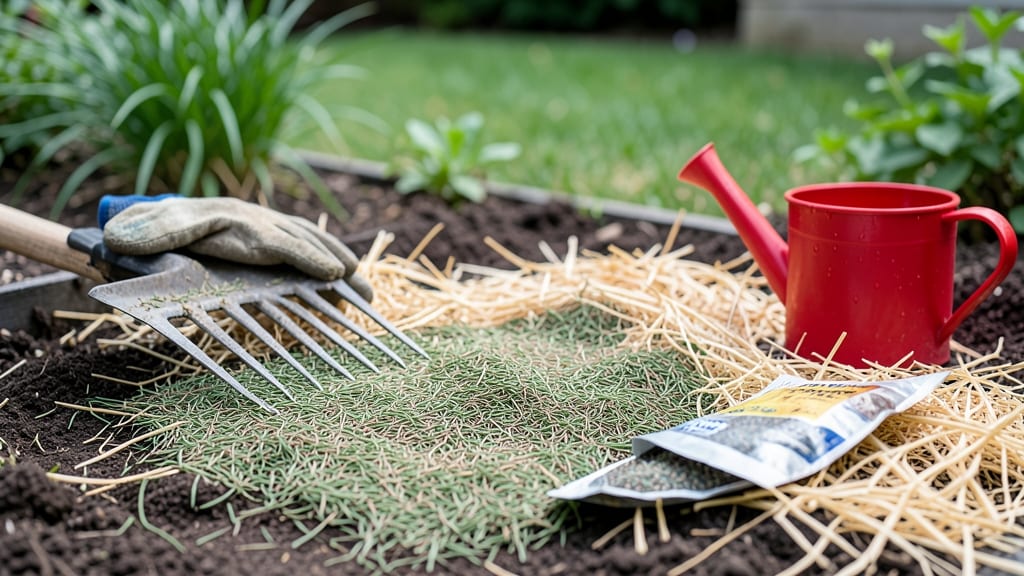
The right lawn seed mulch keeps weeds out and moisture in—so your grass grows thick and stays green through droughts. 🌱 I learned the hard way that skipping mulch means patchy lawns and extra watering. The secret is choosing the right mulch and applying it correctly after seeding.
Straw, peat moss, or even grass clippings work best—they protect seeds while letting rain reach the soil. Spread a thin layer (about ¼ inch) over newly seeded areas, then gently rake to avoid burying the seeds.
This creates the perfect balance: enough coverage to block weeds, but not so much it smothers new growth. By week 3, you’ll see uniform sprouts pushing through the mulch, and by month 2, your lawn will be dense enough to outcompete weeds naturally.
The mulch breaks down over time, feeding the soil as your grass takes over. Works for cool-season grasses (like fescue) and warm-season types (like Bermuda). Just time it right—mulch too early, and you’ll suffocate seeds; too late, and weeds take over. Here’s how to get it perfect every time.
📚 In This Guide
- What you need
- Instructions
- Tips and common mistakes
- Wrapping up and next steps
What you need
- ● Lawn seed: Choose a high-quality, slow-release seed blend (e.g., Kentucky Bluegrass, Fescue, or Ryegrass). Aim for 10–20 lbs per 1,000 sq ft, depending on your grass type.
- ● Compost or organic mulch: Use 2–3 inches of finely shredded hardwood mulch, straw, or peat moss per 1,000 sq ft. Avoid dyed or chemically treated mulch!
- ● Water: A hose with a sprinkler head or watering can (for precise application). Plan for ½–1 inch of water per week post-application.
- ○ Fertilizer (optional but recommended): A slow-release, organic fertilizer (e.g., 10-10-10 or compost tea) to boost seed germination. Use ½ lb per 1,000 sq ft.
- ● Broadcast spreader: For even seed distribution (manual or electric models work).
- ● Rake or lawn aerator: A metal rake with fine teeth or a core aerator to loosen soil before seeding.
- ● Garden gloves: Heavy-duty nitrile or leather gloves to protect hands from mulch and sharp debris.
- ● Wheelbarrow or bucket: For mixing mulch and seed (aim for a 5-gallon capacity minimum).
- ○ Soil test kit (optional): To check pH and nutrient levels before seeding (ideal pH: 6.0–7.0).
- ● Weather check: Apply mulch when temps are 55–75°F (avoid frost or extreme heat).
- ● Weed-free lawn: Clear existing weeds using a non-selective herbicide (like glyphosate) or manual removal 2–4 weeks before seeding.
- ● Soil prep: Loosen soil to a depth of ¼–½ inch and remove debris (rocks, sticks).
How to apply lawn seed mulch for a weed-free, thick lawn
This is the secret weapon for protecting your new grass seeds from weeds and drying out.
🌱 Step 1: Prepare the Soil Surface Evenly
After sowing your lawn seed, rake the soil lightly to create a smooth, level surface. You want a fine, even texture—no clumps or bare spots where weeds can take hold. I like to use a stiff-bristled rake and drag it in one direction first, then perpendicular to catch any missed seeds or uneven areas.
Press down gently with the back of the rake to ensure good seed-to-soil contact. This step is critical because mulch won’t stick to bumpy ground, leaving gaps where weeds will sprout. Think of it like laying a blanket over a smooth mattress—it covers everything evenly.
💧 Step 2: Apply Mulch at the Right Thickness
Use straw or peat moss as your mulch—never wood chips or leaves, which can mat down and suffocate seeds. Spread the mulch evenly over the seeded area at a depth of ¼ to ½ inch. Too thick, and it’ll block light and moisture; too thin, and weeds will still push through.
I like to use a drop spreader for large areas to ensure consistent coverage. Walk in straight lines, overlapping slightly with each pass. For smaller patches, a hand-held spreader works best. Lightly rake again after spreading to smooth any uneven spots.
☀️ Step 3: Water Immediately and Keep Moist
Water the mulched area thoroughly right after applying it—this settles the mulch and ensures seeds stay in contact with the soil. Keep the surface damp but not soggy for the first 7-10 days, which is when seeds germinate. You’ll know you’re doing it right when the mulch looks slightly darkened but not waterlogged.
After germination, reduce watering slightly but maintain moisture until the grass reaches 2-3 inches tall. Mulch helps retain moisture, but you still need to check daily—especially in hot weather. If the top layer feels dry to the touch, it’s time to water again.
✂️ Step 4: Monitor and Maintain for Weed Control
Keep an eye out for weeds pushing through the mulch in the first 3-4 weeks. If you spot any, gently pull them by hand before they establish roots. The mulch will suppress most weeds, but a few stubborn ones might sneak through—don’t let them take over.
Once your grass reaches 3-4 inches tall, you can gradually reduce mulch thickness by mowing high. This encourages deep root growth and strengthens the lawn against future weeds. Avoid walking on the new grass until it’s fully established—about 4-6 weeks after germination.
Tips & tricks for perfect lawn seed mulching
Here's what nobody tells you about getting that flawless mulch application—these tricks make all the difference!
Soil Prep Secret: After sowing seeds, give your rake one final pass with the back of it to gently press seeds into the soil. This ensures maximum seed-to-soil contact, which is crucial because mulch won't stick properly to uneven surfaces. Think of it like ironing a fitted sheet—smooth and even prevents gaps where weeds can sneak in.
Mulch Type Matters: While straw and peat moss are your best options, here's the thing about straw—make sure it's weed-free straw! Check for any weed seeds mixed in before applying. I've ruined a perfectly good seeding by using contaminated straw that sprouted weeds alongside the grass. Pro tip: Buy straw specifically labeled for lawn seeding.
Watering Wisdom: That first watering after applying mulch is non-negotiable. Water until the mulch looks uniformly damp—not just the top layer. You'll know you've done it right when water runs through the mulch and pools slightly on the soil below. This ensures seeds make proper contact with moist soil, which is exactly what they need to germinate.
Weed Watch Timeline: The first 3-4 weeks are critical for weed control. That's when you'll spot any weeds trying to push through. I recommend setting a calendar reminder to check your lawn every 3-4 days during this period. Early detection means easy removal—just pull them by hand before they get established.
Pro Tips for Lawn Seed Mulch
- Here's what nobody tells you about getting that flawless mulch application—these tricks make all the difference!
- Soil Prep Secret: After sowing seeds, give your rake one final pass with the back of it to gently press seeds into the soil.
- Mulch Type Matters: While straw and peat moss are your best options, here's the thing about straw—make sure it's weed-free straw!
Frequently asked questions
Got questions about using lawn seed mulch to transform your yard? You’re not alone! Here are some of the most common queries—and their straightforward answers—to help you get started with confidence.
What exactly is lawn seed mulch, and how does it work?
Lawn seed mulch
is a protective layer (often straw, peat moss, or wood fiber) spread over newly seeded grass to shield seeds from harsh sunlight, wind, and erosion. It retains moisture, regulates soil temperature, and blocks weeds—giving your grass a fighting chance to establish strong roots before competing with invaders. Think of it as a cozy blanket for your lawn’s newborn sprouts!
When is the best time to apply mulch after seeding?
Apply mulch immediately after seeding—but wait until the soil is cool and damp (early morning or evening works best). For cool-season grasses (like fescue or ryegrass), mulch within 24 hours. For warm-season grasses (like Bermuda or Zoysia), mulch right after seeding, then water thoroughly. Pro tip: Avoid mulching before rain to prevent clumping.
Can I reuse mulch from last year’s lawn?
Not ideal! Old mulch may harbor weed seeds, diseases, or pests. Fresh mulch is your best bet for a clean slate. If you’re short on options, sterilize reused mulch by baking it in the sun for a few days or lightly tilling it into the soil before reseeding. When in doubt, opt for new straw or peat-based mulch to keep your lawn healthy.
What happens if I forget to water after applying mulch?
Don’t panic—just act fast! Mulch locks in moisture, but seeds still need hydration to germinate. Water lightly but frequently (2–3 times daily for the first week) to keep the top inch of soil damp. If the mulch dries out completely, seeds may fail to sprout. Think of it like giving your lawn a daily sip until grass blades appear.
Are there alternatives to straw mulch for seeding?
Here are a few options:
- Peat moss: Holds moisture well but may acidify soil over time.
- Wood fiber mulch: Breaks down slowly but can tie up nitrogen—mix with compost to balance.
- Compost: Adds nutrients but may contain weed seeds (sterilize first).
- Erosion control blankets: Great for slopes or high-wind areas (remove after germination).
Wrapping up and next steps
Using lawn seed mulch is a game-changer for achieving a thick, vibrant lawn while keeping weeds at bay—naturally! 🌱 By locking in moisture, shielding seeds from harsh elements, and providing essential nutrients, mulch sets the stage for lush, healthy growth without the hassle of synthetic solutions.
Ready to transform your lawn? Start small—test a patch this season and watch your grass thrive! For best results, reapply mulch as needed and pair it with proper watering and maintenance. Your dream lawn is just a layer away! 🌿