
Plants
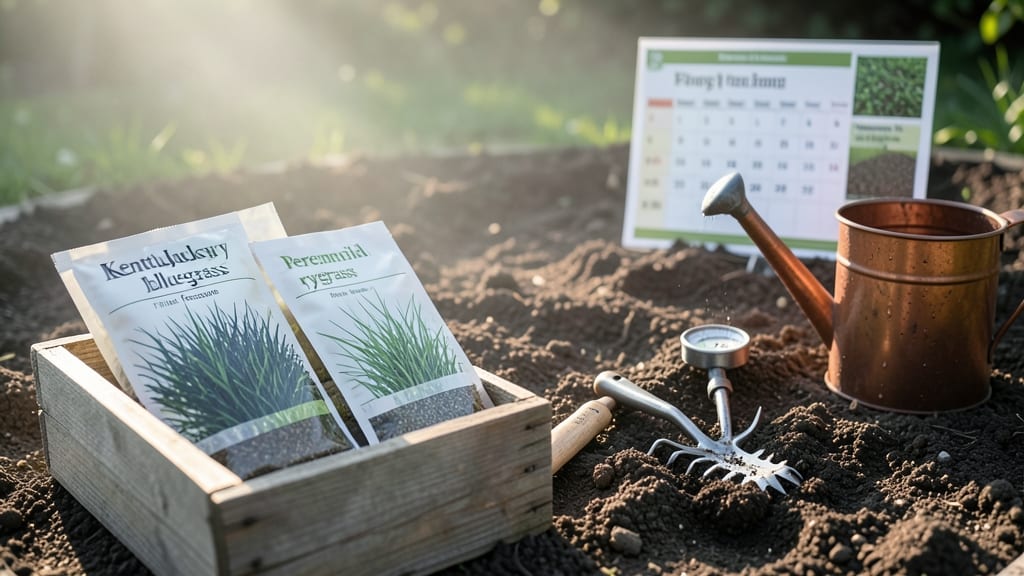
Planting grass seed in Canada works best when you time it 4-6 weeks before the first frost—a window that shifts dramatically from Atlantic to Pacific provinces.
Miss that timing, and you risk a lawn that struggles to establish before winter sets in. But here’s the thing: cool-season grasses like Kentucky bluegrass and fine fescue actually prefer cooler soil, which is why early fall or late spring is ideal for most regions.
Whether you’re in Zone 3’s deep freeze or Zone 10’s milder climate, the key is knowing your last frost date and soil temperature. I’ll walk you through the exact 4-week window for each province, plus how to adjust if you’re late to the game.
By the end, you’ll know not just when to plant, but how to give your grass the best shot at thriving—even when Canada throws a curveball.
Canada’s 4-Week grass seed planting window by region (with frost date maps)
Canada’s cool-season grasses like Kentucky bluegrass and fine fescue need precise timing to establish before winter—typically a 4-week window before the first frost. But regional climate differences mean your Atlantic Canada neighbor might plant in May while your Prairie friend waits until September.
Let’s break down the exact windows and tools to track frost dates for your zone.
Most Canadian gardeners aim to plant 4-6 weeks before the first frost, but soil temperature matters more than calendar dates. For example, Zone 3 (northern Ontario) needs seed in the ground by mid-August, while Zone 9 (Vancouver) can extend planting until October 15.
Use the table below to find your region’s ideal window, then check local frost maps for precision.
📌 Pro Tip: Soil should stay above 13°C (55°F) for 7+ days post-planting. Test with a soil thermometer—cool, damp soils delay germination. If your region’s window feels too tight, try cold-hardy seed mixes like creeping red fescue, which tolerates cooler soils.
For real-time frost tracking, use Canada’s Agriculture and Agri-Food Canada frost prediction tool (link) or apps like Old Farmer’s Almanac. These tools adjust for microclimates—like urban heat islands or coastal moderation—so you can fine-tune your 6-week pre-frost window.
If you’re in Zone 4 or colder, prioritize early spring planting (April) when soil warms faster than air.
In Zone 7+, fall planting (September) avoids summer heat stress. Pacific regions can even plant in late winter (February) thanks to milder winters, but avoid planting if frost is forecast within 2 weeks.
🔍 Regional Note: Atlantic Canada faces black fly swarms in May—delay planting until after June 1 to avoid seed damage. Meanwhile, Prairie regions often experience drought-like conditions in late summer, making early June the safest bet for moisture-reliable germination.
After planting, monitor soil moisture closely—dry spells can stall germination. In drought-prone areas (e.g., southern Alberta), use mulch or straw to retain moisture. For cooler regions, a light frost cloth can protect new seedlings if an unexpected frost hits during your 4-week window.
Missed the window? Don’t panic—cold-hardy varieties like tall fescue can handle late plantings if soil temps stay above 10°C (50°F). Just expect slower establishment. For maximum success, align your planting with your region’s historical frost data and adjust for 3–5 years of local trends.
🌱
How to extend your planting window: 3 proven techniques for late starters
Missed the ideal grass seed planting window? Don’t worry—Canada’s cool-season grasses can still thrive with the right strategies. Even if frost is creeping closer, you can push your planting into late September or October using these three proven techniques.
The key is combining cold-hardy varieties, protective barriers, and soil temperature tricks to outsmart Mother Nature.
First, focus on late-season varieties like tall fescue or creeping red fescue. These grasses germinate slower in cold soil but establish roots before winter dormancy. Pair them with frost cloth or row covers to shield tender seedlings from early frosts.
Even a lightweight row cover can add 2-4°C of protection, buying you critical growing time.
Here’s how to extend your planting window effectively—without sacrificing success:
- 1
Choose cold-hardy varieties
Opt for tall fescue or fine fescue mixes—these germinate at 5-10°C (41-50°F) and tolerate light frost. Avoid Kentucky bluegrass for late planting; it needs warmer soil.
- 2
Use frost cloth or row covers
Cover seedlings with 30g/m² frost cloth at night. Secure edges with bricks or soil to prevent wind damage. Remove covers on sunny days to avoid overheating.
- 3
Warm soil with black plastic mulch
Lay black plastic sheeting over the planting area 1-2 weeks before sowing. This raises soil temps by 5-8°C (9-14°F), speeding germination. Remove plastic right before seeding.
For late-October plantings, combine all three methods. Start with pre-warmed soil, sow frost-tolerant seeds, and keep them covered until hardy roots form. Even if frost hits, dormant grass can resume growth in spring—just ensure seeds have 2-3 weeks to germinate before winter sets in.
Pro tip: Monitor your local frost-free days using the Canadian Hardiness Zone Map. Aim for at least 4-6 weeks of growing time before the first expected frost.
With these techniques, you can push your planting window 4-6 weeks later than the traditional timeline—giving you a head start on next year’s lawn.
Don’t let missed timing stop you. With the right varieties, protection, and soil prep, your grass seed can still thrive—even when frost is on the horizon. 🌱