
Plants
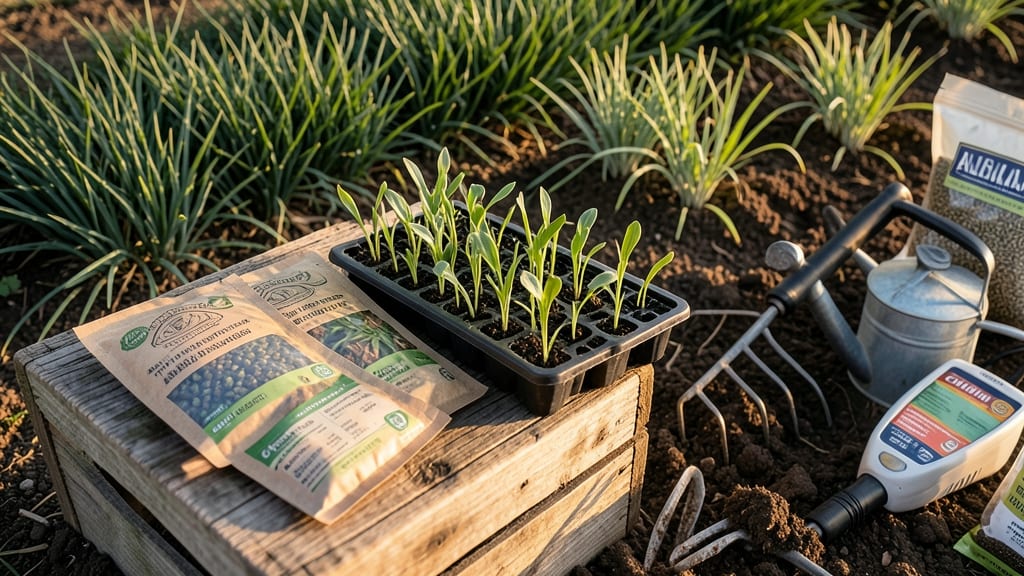
Planting grass seed in Alabama at the right time ensures fast germination and a lush lawn that outlasts weeds and heat stress.
Alabama’s hot summers and unpredictable weather can turn grass seeding into a high-stakes game—plant too early and face drought stress, too late and weeds take over. Timing is everything for lush, weed-resistant lawns.
In USDA zones 7a-8b, the best windows are early spring (March-April) and early fall (August-September). These months offer cooler soil temperatures (55-65°F) and steady moisture, giving seeds the ideal start.
Below, I break down the exact months for North vs. South Alabama, soil prep secrets, and how to keep weeds at bay—so you get fast results without the guesswork.
Best months to plant grass seed in Alabama by region (North vs. south)
Alabama’s diverse climate means North Alabama and South Alabama have different ideal windows for planting grass seed. In cooler northern regions like Huntsville and Decatur, early spring and late summer offer the best chances for germination.
Meanwhile, southern areas like Mobile and Dothan benefit from late summer planting to avoid summer heat stress. The key is soil temperatures between 55°F and 65°F—this range ensures seeds sprout consistently without drying out.
For North Alabama, where winters are cooler and summers can be intense, aim for March through April or August through early September. These windows align with soil warming after frost and cooling before summer’s peak.
In South Alabama, where summers are longer and hotter, focus on late August through September to capitalize on warm soil and shorter daylight hours, which reduce stress on young seedlings.
Here’s why timing matters so much: Seeds planted too early in North Alabama risk frost damage, while those planted too late may struggle with summer heat. In South Alabama, early spring planting often coincides with drought conditions, while late fall planting can leave grass vulnerable to winter dieback.
The 55°F to 65°F soil temperature rule is your best guide—use a soil thermometer to confirm before planting.
🌱
In North Alabama, I recommend Tall Fescue or Kentucky Bluegrass for their cold tolerance and ability to establish quickly in cooler soils. These varieties thrive in the March–April window when daytime temperatures stabilize above 60°F but nights remain cool enough to prevent drought stress.
For August–September planting, focus on overseeding to fill in thin patches before winter.
For South Alabama, Bermuda and Zoysia grasses dominate due to their heat and drought tolerance. Plant these in late August when soil temperatures start dropping from summer peaks. Avoid planting in May or June—the intense heat and dry conditions will cause seeds to dry out before germination.
If you must plant in spring, use shade cloth to protect seedlings until temperatures cool.
One common mistake I see is planting cool-season grasses like Fescue in South Alabama’s summer or warm-season grasses like Bermuda in North Alabama’s winter. Always match your grass type to your region’s climate.
For example, Centipede grass, popular in southern Alabama, struggles in northern areas where winters drop below 20°F. Stick to local recommendations for the best results.
After planting, consistent moisture is critical for the first 3–4 weeks, regardless of region. In North Alabama, morning watering is ideal to prevent fungal issues from evening dampness.
In South Alabama, water deeply but less frequently to encourage deep root growth, which helps grass survive the region’s hotter, drier spells. A soil thermometer is your best friend—plant only when soil temps are in that 55°F–65°F sweet spot.
💧
Pro tip: If you’re in a transition zone like Birmingham or Montgomery, consider a mix of cool-season and warm-season grasses for year-round coverage. For example, plant Tall Fescue in early fall and Bermuda in late summer to create a two-layer lawn that stays green almost year-round.
Just be prepared for slightly more maintenance to keep both types thriving.
Finally, don’t overlook soil preparation. Whether you’re in the north or south, till the soil to a depth of 4 inches and adjust the pH to 6.0–7.0 for optimal germination.
In North Alabama, add a light layer of compost to improve moisture retention, while in South Alabama, focus on drainage improvements to prevent waterlogging during the
How Alabama’s microclimates affect grass seed germination success
Alabama’s diverse geography creates microclimates that dramatically impact grass seed germination.
From the humid Piedmont of Birmingham to the coastal heat of Mobile, each region demands a tailored approach. Elevation, rainfall patterns, and urban heat islands all play critical roles in determining the best planting strategy for your lawn.
For example, North Alabama’s cooler springs (like Huntsville) allow earlier planting, while South Alabama’s intense summer heat (like Dothan) requires fall seeding. Even within cities, urban lawns bake faster than rural areas, creating localized stress points for new grass.
Understanding these variations helps you avoid common pitfalls like drought stress or weed competition.
🌱 Key Takeaways for Alabama Grass Seed Success
- North Alabama: Plant March-April (soil temps 55-65°F) or September to escape summer heat.
- South Alabama: August-September planting avoids drought; never seed in peak summer.
- Urban Lawns: Water daily for first 2 weeks due to heat island effect.
- Rural Areas: Leverage higher rainfall—reduce watering after establishment.
- Critical Factor: Soil moisture > air temperature for germination.
Adjust seed type to match your microclimate—Bermuda thrives in Mobile’s heat, while Tall Fescue suits Huntsville’s cooler springs.
One of the biggest challenges in Alabama is humidity fluctuations. Regions like Birmingham experience wet springs that can delay planting, while Mobile’s dry summers demand extended watering schedules.
I’ve seen lawns fail in May because homeowners assumed the rain would handle moisture—only to watch seeds dry out in scorching afternoon sun. Always check the 7-day forecast before seeding.
Urban vs. rural lawns also require different strategies. City lawns (like those in Montgomery) suffer from concrete heat absorption, which raises soil temperatures by 10-15°F compared to rural areas. To combat this, I recommend shading new seed with lightweight row covers during the hottest part of the day.
Rural lawns, meanwhile, can often rely on natural rainfall once established, reducing your watering workload.
Don’t overlook elevation effects—even within a 50-mile radius, you might see 2-3 week differences in frost dates. For instance, Gadsden’s higher elevation (1,200 ft) allows for earlier spring planting than Anniston’s lower elevation (700 ft).
Use your local USDA zone map (typically 7a-8b in Alabama) as a starting point, then adjust based on your specific microclimate.
Pro tip: If you’re seeding in late summer, prioritize shade-tolerant varieties like Fine Fescue for urban areas. These grasses establish faster under partial shade conditions common in city landscapes. For rural properties with full sun exposure, Bermuda or Zoysia will outperform in Alabama’s intense heat once mature.
Remember, success starts with soil prep. Alabama’s clay-heavy soils (especially in Central Alabama) need amendments like compost or sand to improve drainage. Test your soil’s pH (6.0-7.0 ideal) and moisture retention before planting—this single step can double your germination rates in challenging microclimates.