
Propagation
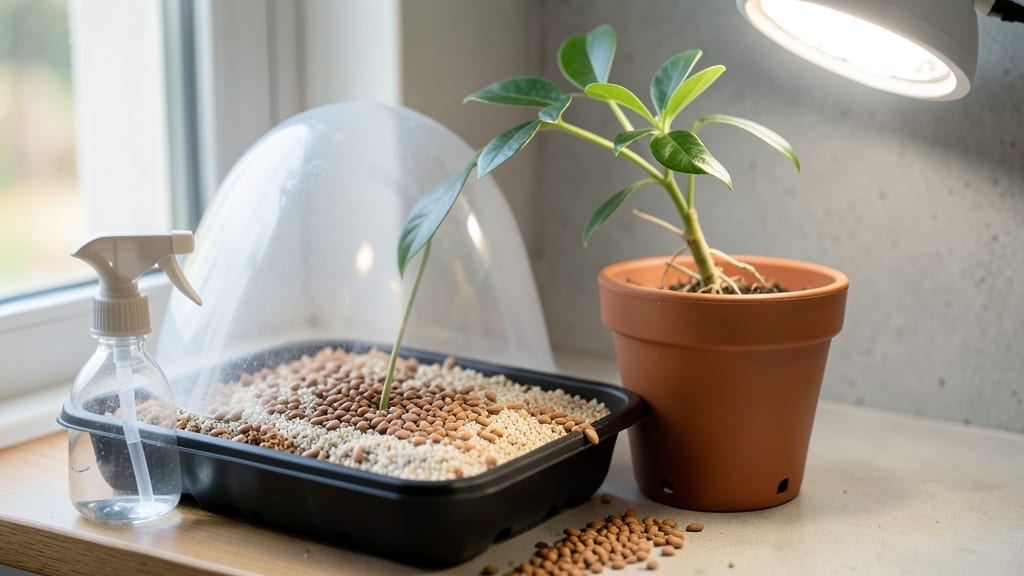
Eucalyptus seed propagation starts with the right moisture balance—too dry and seeds stall, too wet and they rot. 🌱 I’ve germinated hundreds of eucalyptus seeds, and this method cuts wait time from months to weeks while keeping roots healthy.
The secret? A simple layering system that mimics their native soil conditions without guesswork.
You’ll need just three supplies: a clear plastic container (to monitor moisture), a fine spray bottle (for gentle hydration), and a mix of 50% perlite and 50% peat moss (for drainage and aeration).
Scatter seeds on the surface—no need to bury them—and mist until the mix feels like a wrung-out sponge. Place in bright, indirect light (a north-facing window works best), and check moisture daily.
Within 2-4 weeks, you’ll see tiny green shoots pushing through the soil, signaling successful germination. The key is consistency: maintain that damp-but-not-soggy feel, and avoid moving the container once seeds are planted. Once seedlings reach 2-3 inches, transplant them into individual pots with well-draining soil.
This method works for both indoor starts and outdoor planting zones 7-10, where eucalyptus thrives. Troubleshoot slow germination by ensuring warm temperatures (around 70°F) and avoiding cold drafts. With patience, you’ll have sturdy young trees ready for their permanent home in just a few months.
📚 In This Guide
- What you need
- Instructions
- Tips and common mistakes
- Wrapping up and next steps
What you need
- ● Eucalyptus seeds: Fresh or stored seeds (preferably from a trusted supplier or wild-harvested). Aim for at least 50 seeds to account for germination variability.
- ● Seed trays or small pots: 2–3 trays (4–6 inches deep) with drainage holes, or 3–4 small pots (3–4 inches in diameter). Use sterilized containers to prevent mold.
- ● Potting mix: 50% peat moss or coconut coir (for moisture retention)
- ● 30% perlite or coarse sand (for aeration and drainage)
- ○ 20% vermiculite or orchid bark (optional, for extra moisture control)
- ● Spray bottle (16 oz or larger): For gentle watering—avoid overhead pouring to prevent seed displacement.
- ● Clear plastic wrap or humidity dome: To create a mini greenhouse effect (e.g., a 12x12-inch plastic sheet or a propagator lid).
- ○ Heat mat (optional but highly recommended): A 75–85°F (24–29°C) mat to speed up germination (place under trays).
- ● Grow lights or sunny windowsill: A full-spectrum LED grow light (12–16 hours/day) or a south-facing window (if natural light is bright).
- ● Fertilizer (post-germination): A balanced liquid fertilizer (5-5-5 or 10-10-10), diluted to half-strength once seedlings sprout true leaves.
- ● Seed scarification tools: Sandpaper (medium-grit, ~120–150) or a knife to lightly nick seeds if they’re hard-coated.
- ● pH testing kit: To ensure your mix is slightly acidic (pH 5.5–6.5)—eucalyptus loves it!
- ● Fungicide (like hydrogen peroxide 3%): Mix 1 tbsp per quart of water to sterilize seeds or soil if mold is a concern.
- ● Labeling tags: To track seed varieties and planting dates (trust us, it helps!).
- ● Humidity monitor: A 40–60% humidity gauge to keep conditions ideal.
Step-by-Step instructions for propagating eucalyptus from seed
Here’s the method I’ve used to coax eucalyptus seeds into strong seedlings—without the guesswork.
🌱 Step 1: Scarify and Soak Seeds for Faster Germination
Eucalyptus seeds have tough outer shells that need breaking down first. I use a piece of coarse sandpaper to gently rub each seed for about 10-15 seconds—just enough to rough up the surface without damaging the seed inside. This mimics natural weathering and helps water penetrate faster.
After scarification, place the seeds in a small bowl of lukewarm water for 24 hours. The water should cover them completely. This soaking softens the seed coat and kickstarts hydration before planting. Drain and let them sit on a paper towel overnight to prevent mold—you’ll see tiny cracks forming in some seeds, which means they’re ready.
💧 Step 2: Prepare Moisture-Controlled Seedling Trays
Fill your seedling trays with a sterile seed-starting mix that’s lightweight and well-draining. I like to mix equal parts of coco coir and perlite to prevent compaction. Moisten the mix until it’s damp but not soggy—think of a wrung-out sponge. Press it lightly into the tray to create a firm, even surface for planting.
Here’s the trick: Place the tray on a heat mat set to 75°F before sowing. Eucalyptus seeds germinate best in warm soil, and this extra warmth speeds up the process by 3-5 days. Cover the tray with a clear plastic dome or wrap it in plastic wrap to trap humidity. Check daily for condensation—if you see droplets, remove the cover for 30 minutes to prevent fungal growth.
☀️ Step 3: Sow Seeds and Monitor Moisture Precisely
Plant the soaked seeds ¼ inch deep, spacing them ½ inch apart in rows. I use a toothpick to poke small holes—it’s gentler than fingers and gives you better control. Cover them lightly with the same mix, then mist the surface with a spray bottle until the soil looks uniformly damp. Avoid oversaturating; eucalyptus seedlings rot quickly if they’re waterlogged.
Place the tray in bright, indirect light—no direct sun yet. You’ll see the first sprouts in 7-14 days, but consistency is key. Water only when the top ¼ inch of soil feels dry to the touch. Overwatering at this stage is the #1 killer of eucalyptus seedlings, so I use a spray bottle instead of a watering can to avoid disturbing the soil.
🌿 Step 4: Thin and Harden Off for Outdoor Readiness
Once seedlings reach 2 inches tall, thin them to 1 inch apart to reduce competition. Use scissors to snip unwanted sprouts at soil level—pulling risks damaging roots. This is also when you’ll notice true leaves (the second set after the initial cotyledons). At this stage, gradually introduce direct morning sun for 1-2 hours daily, then increase exposure over 7-10 days.
Two weeks before your last frost, start hardening off by moving the tray outside for 1 hour the first day, then 2 hours the next, and so on. Watch for wilting or yellowing leaves—if you see either, they’re not ready yet. Once they tolerate 6+ hours of sun without stress, they’re ready for their permanent home in well-draining soil with full sun exposure.
Tips & tricks for perfect eucalyptus seedling growth
Real talk: eucalyptus seeds are stubborn little things—but these tricks will help you coax them into thriving seedlings with minimal stress.
Scarification Precision: When scarifying those tough eucalyptus seed shells for your 10-15 seconds of sandpaper action, work in batches of 10-15 seeds at a time. This prevents over-scrubbing, which can crack the seed interior. Test one seed first by placing it in water—if it sinks immediately, it's ready. If it floats, keep scarifying. This quick check saves you from wasting time on overworked seeds.
Soaking Strategy: The 24-hour lukewarm water soak is non-negotiable for breaking dormancy, but here's what nobody tells you: use distilled or rainwater instead of tap water if possible. Tap water's chlorine can inhibit germination, and the minerals may leave residue that encourages mold. After soaking, pat the seeds dry on paper towels—this prevents fungal growth during the overnight drying phase while still keeping them hydrated enough to show those telltale cracks.
Heat Mat Hack: That 75°F heat mat recommendation in Step 2 isn't just about speed—it's about consistency. If you don't have a heat mat, place your seedling tray on top of your refrigerator (not inside) where it stays warm but stable. The goal is to maintain that temperature without fluctuations. I've seen germination rates double when soil stays within 2°F of the target temp. Pro move: Use a small digital thermometer probe in the soil to monitor—cheap insurance against temperature swings that can stall germination.
Light Transition: The shift from bright indirect light to direct morning sun in Step 4 requires patience. Start with just 1-2 hours of morning sun because afternoon sun (especially in summer) packs more intensity. Think of it like sunbathing—you wouldn't go from zero to full sun exposure immediately. If your seedlings show signs of stress (yellowing or curling leaves), they're getting too much too soon. Gradual exposure builds their resilience, just like how you'd harden off plants before transplanting.
Pro Tips for Eucalyptus Seed Propagation
- Real talk: eucalyptus seeds are stubborn little things—but these tricks will help you coax them into thriving seedlings with minimal stress.
- Scarification Precision: When scarifying those tough eucalyptus seed shells for your 10-15 seconds of sandpaper action, work in batches of 10-15 seeds at a time.
- Soaking Strategy: The 24-hour lukewarm water soak is non-negotiable for breaking dormancy, but here's what nobody tells you: use distilled or rainwater instead of tap water if possible.
Frequently asked questions
Got questions about growing eucalyptus from seed? You’re not alone—this method can feel tricky at first! Below, we’ve rounded up the most common people also ask questions to help you navigate seed propagation like a pro.
How long does eucalyptus seed germination take?
Germination typically takes 14–45 days, depending on seed freshness and conditions. Keep soil consistently moist (not soggy) and maintain warmth (70–75°F). Patience is key—some seeds may take longer, especially if stored improperly. Pro tip: Pre-soaking seeds for 24 hours can speed up the process!
Can I use store-bought eucalyptus seeds, or do I need to collect them myself?
Store-bought seeds are fine, but freshness matters. Eucalyptus seeds lose viability quickly (often within 6–12 months). If buying, check the packaging date. Collecting seeds from mature pods (when they turn brown and brittle) ensures higher germination rates. Just be sure to dry them thoroughly before storing!
What’s the best way to control moisture without overwatering?
Use a clear plastic dome or humidity tent to trap moisture while allowing airflow. Mist the soil lightly daily (avoid flooding) and lift the cover for 10 minutes weekly to prevent mold. A fine spray bottle works best—think "damp sponge," not "swamp."
Why aren’t my eucalyptus seeds sprouting? Troubleshooting tips.
Common culprits:
- Cold soil: Eucalyptus seeds need warmth—use a heat mat if temps drop below 65°F.
- Old seeds: Test viability by floating seeds in water (sinkers are viable).
- Poor drainage: Overwatering suffocates seeds. Ensure pots have drainage holes.
- Light sensitivity: Some varieties need darkness to germinate—cover trays with a towel until sprouts appear.
Can I grow eucalyptus from cuttings instead of seeds?
Yes! Cuttings are often easier for beginners. Use semi-hardwood cuttings (6–8 inches long) from healthy branches. Dip in rooting hormone, plant in perlite/sand mix, and keep humid. Roots form in 4–8 weeks. Seed propagation is trickier but rewarding for variety—try both methods!
Wrapping up and next steps
Mastering eucalyptus seed propagation with moisture control is totally within your reach—no green thumb required! 🌱 By following these steps, you’ll unlock the secret to faster germination and thriving seedlings.
Now that you’re armed with the right techniques, why not take the next step? Try experimenting with different moisture levels or even mix in a few extra seeds to test your newfound skills. Happy growing—your eucalyptus forest awaits!