
Plants
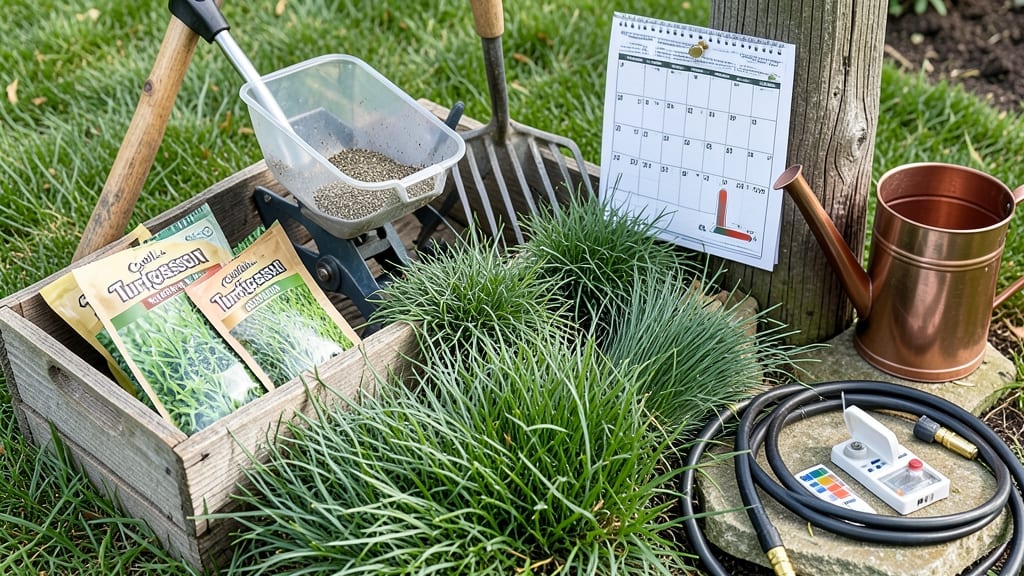
Planting grass seed in the Northeast at the wrong time can leave you staring at a patchy lawn for months—cool-season grasses need precise timing to thrive.
You’ve probably heard that spring is the best time, but did you know early fall often gives even better results? The key is avoiding frost and heat stress, which can turn your seed investment into a weed magnet.
I’ll break down the exact windows for your USDA zone, soil temperature tricks, and how to spot the perfect moment before you even pull the bag from the store.
Most Northeast gardeners wait until after the last frost, but that’s not always the best move. In zones 5b-7a, planting too late in spring means battling summer drought, while fall planting lets the grass establish roots before winter sets in.
We’ll cover how to check soil temps, pick the right grass type for your yard, and even adjust for coastal vs. inland microclimates.
By the end, you’ll know exactly when to plant—whether you’re seeding a new lawn or repairing bare spots—and how to give your grass the strongest start possible. No more guessing, just green.
Northeast grass planting deadlines by USDA hardiness Zone (cool-season guide)
Planting grass seed in the Northeast requires precision—cool-season grasses like Kentucky bluegrass and tall fescue need the right soil temperatures (50-65°F) and moisture levels to germinate properly.
Missing these windows means slower growth, weed competition, or even seed failure. Let’s break down the best times to plant by your USDA hardiness zone.
Most Northeast gardeners focus on two key windows: early fall (September-October) and early spring (March-April). Fall planting is ideal because cooler temps reduce weed pressure and drought stress, while spring planting gives grass a head start before summer heat.
But timing varies by zone—Zone 3 has a shorter window than Zone 7.
For Zone 3 gardeners, fall is your best bet—plant by mid-October to give grass time to establish before winter. In Zone 7, you can push planting later into November, but avoid planting after the first frost.
Spring planting in colder zones (3-5) should wait until soil warms to 50°F to prevent seed rot.
Soil temperature is critical—cool-season grasses won’t germinate well below 50°F. Use a soil thermometer ($10–$15) to check depths of 1–2 inches. If temps fluctuate, opt for perennial ryegrass, which germinates faster than Kentucky bluegrass in cooler conditions.
Don’t overlook late summer planting (August) as a backup. While not ideal, it works if you’re repairing bare spots. Just keep soil moist and avoid planting too close to first frost. In Zone 6-7, August planting can succeed if followed by consistent watering.
Pro tip: If you miss the fall window, overseed in spring (March–April) but be prepared for weed competition. Pre-emergent herbicides can help, but apply them after planting to avoid damaging seedlings. Always water deeply (1 inch per week) for the first 4–6 weeks to encourage root growth.
Microclimates matter! Coastal areas (e.g., Zone 6-7 near the ocean) stay milder longer, extending your fall window. Inland zones (Zone 5) may need to plant earlier due to colder nights. Adjust your timeline by 1–2 weeks based on local conditions.
Finally, test your soil’s pH (ideal: 6.0–7.0) before planting. Cool-season grasses prefer slightly acidic to neutral soil. If your pH is off, amend with lime (to raise pH) or sulfur (to lower pH) 4–6 weeks before planting to avoid shocking the seed.
How to check soil temperature & weather conditions before planting grass seed
Planting grass seed in the Northeast requires precise timing—cool-season grasses like Kentucky bluegrass and tall fescue germinate best when soil temperatures hover between 50°F and 65°F. But how do you know when those conditions are right?
I’ll walk you through the tools and methods I use to check soil temperature and weather forecasts, so you avoid common pitfalls like late frost damage or summer heat stress.
First, grab a soil thermometer—they’re affordable (around $10) and available at garden centers or online. I like digital ones because they give instant readings. Insert the probe 2-3 inches deep into moist soil (not dry or compacted areas) and check the temperature in the morning when it’s most stable.
This mimics the conditions your grass seed will face after planting.
Next, cross-reference your soil temp with the 10-day forecast from the National Weather Service or your local Cooperative Extension Service. Look for consistent temperatures above 50°F and no frost warnings in the next 2 weeks.
In the Northeast, this usually means aiming for late April to early May for spring planting or mid-September to early October for fall.
⚠️ callout warning
Planting too early? Frost can kill young grass. Check the USDA Plant Hardiness Zone Map—if you're in Zone 5b or colder, wait until after May 15 for spring planting. For fall, stop by October 1 to avoid early frost. Use the Almanac’s Frost Calculator (almanac.com) for your exact location.
Don’t forget to monitor rainfall predictions. Grass seed needs consistent moisture to germinate, but too much rain can wash it away. Aim for 1-1.5 inches of rain per week or plan to water lightly daily if forecasts are dry.
I use the NOAA Climate Tool (climate.gov) to track local precipitation trends before planting.
For extra peace of mind, I set up a weather station app like Weather Underground or AccuWeather on my phone. These apps provide hyper-local alerts for temperature swings and unexpected rain, which are critical in the Northeast’s unpredictable climate.
Pro tip: Bookmark your local Extension Service’s planting guides—they often include region-specific advice for grass seed success.
Finally, avoid planting during heatwaves (above 80°F) or when humidity spikes, as these conditions can stress young seedlings. If you’re unsure, I recommend waiting—grass seed won’t last forever, but your lawn will thank you for patience.
With the right tools and a little preparation, you’ll nail the perfect planting window every time.