
How To
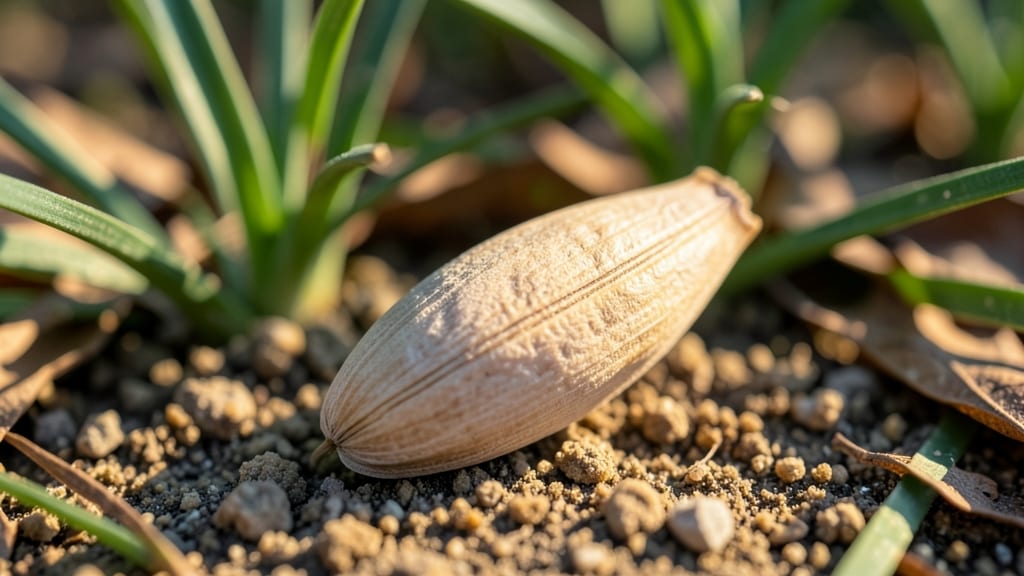
Planting centipede grass seed in Florida between late spring and early summer ensures fast germination and a lush lawn 🌱—the 65°F–75°F soil range is the sweet spot for success.
Florida’s scorching summers and unpredictable rain can make or break your centipede grass lawn—but timing is everything. Planting too early risks frost damage in the Panhandle, while waiting too long means struggling with weeds and slow germination.
Most Florida homeowners get it right by starting in April or May, when soil temperatures are ideal and humidity supports seedling growth. This window also avoids the brutal heat of July, which can stress young grass.
Below, I break down the exact soil temps to watch for, regional adjustments for North vs. South Florida, and the 3-step prep that cuts down on weeds and fungal risks.
Optimal soil temperature ranges for centipede grass seed germination in Florida
Centipede grass thrives in Florida’s warm climate, but its seed germination hinges on precise soil temperature ranges. Unlike established grass, seeds need consistent warmth—too cold delays sprouting, while extreme heat can scorch them.
The ideal soil temperature for centipede grass seed germination is 65°F to 75°F, where seeds typically sprout within 14–21 days.
Florida’s microclimates vary dramatically—North Florida (Panhandle) can experience cooler spring soils, while South Florida (Miami, Key West) may see soil temps exceeding 80°F by May. Even a 5°F deviation can halve germination rates, so timing matters.
For example, planting in April in North Florida might yield only 30% germination if soil temps linger below 60°F.
Here’s how Florida’s regions differ in soil warming patterns:
To test your soil temperature accurately, use a soil thermometer (available at garden centers for $10–$15). Insert it 2–3 inches deep—the depth where seeds will germinate—and check temps early morning (soil cools overnight).
If temps dip below 60°F, wait 1–2 weeks; above 80°F, delay planting until evening soils cool.
Germination rates drop sharply outside the 65°F–75°F range. At 55°F, seeds may take 30+ days to sprout, while 85°F+ soils can cause seed desiccation within days.
For example, planting in July in Central Florida might yield only 40% germination due to heat stress, compared to 90%+ in April.
If you’re planting in late summer (August–September), focus on evening watering to lower soil temps. Use mulch (straw or pine needles) to insulate seeds and retain moisture. Avoid planting during hurricane season (June–October), as heavy rains can wash away newly sown seeds.
For North Florida gardeners, aim for mid-April when soil temps consistently hit 65°F. Use a clear plastic mulch to warm soil faster if needed. In South Florida, February is ideal—soil temps exceed 70°F by mid-month, but watch for drought conditions.
Pro tip: Mix centipede grass seed with sand (1:1 ratio) to improve soil contact and germination. This trick works especially well in sandy Florida soils, where seeds can dry out quickly. Keep the area moist but not soggy—aim for 1 inch of water per week during germination.
Remember, consistency is key. Fluctuating soil temps (e.g., 60°F days, 80°F nights) confuse seeds and delay sprouting. Monitor your lawn’s microclimate—shady spots may stay 10°F cooler than sunlit areas, requiring later planting.
Once seeds sprout, maintain 1–2 inches of mulch to stabilize soil temps and suppress weeds. Centipede grass establishes best with 6–8 weeks of undisturbed growth, so avoid foot traffic until blades reach 3–4 inches tall. 🌱
Best planting months by Florida region: a month-by-month guide
Florida’s diverse climate means centipede grass planting deadlines vary dramatically from the Panhandle to the Keys. While most of Florida enjoys frost-free winters, North Florida can still see light freezes in January, while South Florida battles summer humidity and hurricane season.
Understanding these regional differences ensures your seed germinates quickly and establishes strong roots before summer heat arrives.
For North Florida (Zones 8a-8b), the safest window is April through June, when soil temperatures consistently stay between 65°F–75°F. This gives seedlings time to establish before summer’s intense heat.
In Central Florida (Zones 9a-9b), you can start as early as March, while South Florida (Zones 10a-11) offers flexibility from February to May, avoiding the peak hurricane season in late summer.
🌱 Florida Planting Timeline for Centipede Grass
- North Florida (Panhandle): Plant April 15–June 15 to avoid late frosts and ensure germination before summer heat.
- Central Florida: Start March 1–May 15; soil warms faster here, but avoid July planting due to fungal risks.
- South Florida: Best window is February 15–April 30; September replanting is possible but requires extra care.
- Critical Deadline: Never plant after June 30 in North Florida or July 15 in Central/South Florida—seedlings won’t survive summer stress.
- Post-Planting Tip: Keep soil moist for 4–6 weeks; use drip irrigation to prevent fungal diseases in humid months.
In North Florida, early April planting gives seedlings a head start before summer’s 90°F+ temperatures. I’ve seen lawns planted in late March fail when a surprise frost hits in early April—always check your local USDA Zone for precise deadlines.
For example, Tallahassee (Zone 8a) should wait until soil reaches 68°F, while Gainesville (Zone 8b) can start slightly earlier.
Central Florida’s March–May window aligns with the region’s dry season, reducing fungal risks. However, avoid planting in June or July—the combination of 95°F heat and 90% humidity creates the perfect storm for brown patch disease.
I once watched a neighbor’s centipede grass lawn turn brown after a July planting; the seed simply couldn’t compete with the heat and moisture.
South Florida’s February–April window lets you beat the summer rains and hurricane season. If you must replant in September, choose drought-tolerant varieties and water deeply to help roots establish before the dry season.
Remember, Miami (Zone 10a) and Key West (Zone 11) have nearly year-round growing seasons, but even here, June–August is a high-risk period for seed failure.
Pro tip: Use a soil thermometer to confirm temperatures before planting. Aim for 65°F–75°F at a 2-inch depth—this is the sweet spot for centipede grass germination. If your soil is too cold, wait; if it’s too hot, mulch with straw to keep moisture in and temperatures stable.
Timing isn’t just about the calendar—it’s about the microclimate of your yard.