
Plants
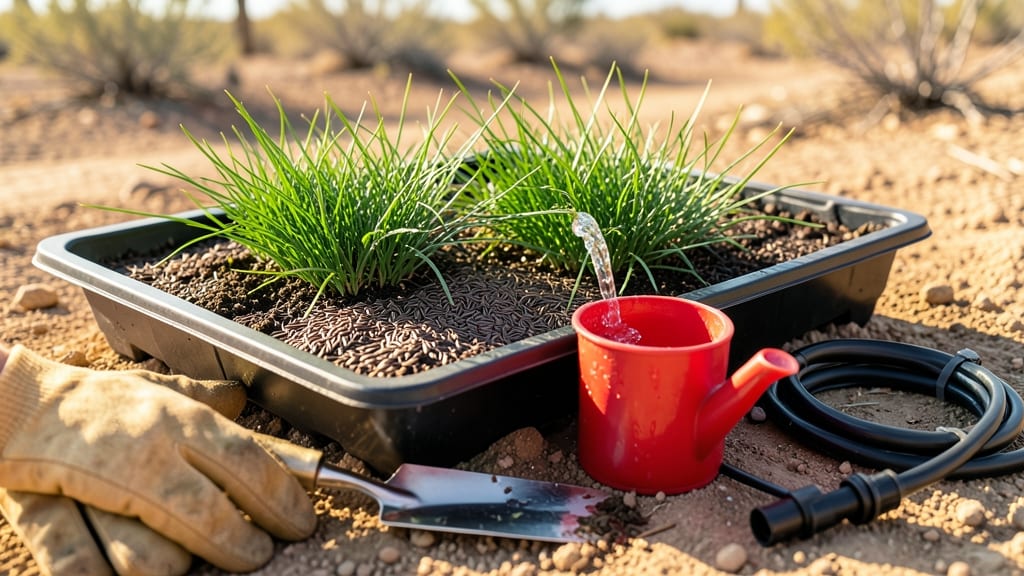
Planting Bermuda seed in Arizona between late February and early April
gives it the 60-day head start it needs to root deep before summer’s brutal heat arrives. Too early, and seedlings fry under 110°F soil temps; too late, and monsoon rains wash seeds away before germination.
The window is tight, but nailing it means a lawn that thrives when most give up.
Here’s the secret: soil temperature—not air temperature—determines readiness. Aim for 65°F+ at 4 inches deep, which in Phoenix typically means mid-March, while Flagstaff’s cooler climate pushes the ideal to late April.
Skip the guesswork with my region-by-region breakdown, including how to adjust for microclimates where your neighbor’s perfect timing fails you.
You’ll also discover the 3-step pre-planting ritual that cuts seed loss by 70%—from soil prep to watering schedules—plus the one mistake that turns Arizona’s best-intentioned lawns into dusty patches by June.
Optimal planting dates for Bermuda seed in Arizona’s cool season
Arizona’s Bermuda grass thrives when planted during the 60-90 day window before summer heat peaks—typically March-April in low deserts like Phoenix and April-May in higher elevations like Flagstaff. This timing ensures strong root establishment before monsoon rains arrive, giving your lawn the best chance to survive Arizona’s intense summers.
The key? Planting when soil temperatures hit 65°F+ consistently.
Bermuda seed germinates best when daytime temperatures stay between 75-85°F, while nighttime temps should remain above 55°F. In Arizona’s USDA Zone 9b, this usually aligns with late February to early April for low desert areas, but cooler high-desert regions may need to wait until mid-April.
Rushing planting too early risks fungal diseases from lingering cool nights, while planting too late leaves seedlings vulnerable to heat stress before they establish.
Soil temperature is more critical than air temperature—use a soil thermometer to confirm readiness. Aim for 65°F+ at 4 inches deep for optimal germination. In Phoenix, this typically occurs by mid-March, while Tucson’s higher elevation may require waiting until late March. Pro tip: Pre-irrigate the soil 24 hours before planting to create ideal moisture conditions for seed germination.
| Region | Optimal Planting Window | Soil Temp Threshold | Key Considerations |
|---|---|---|---|
| Low Desert (Phoenix, Scottsdale) | Late February - Early April | 65°F+ at 4" | High heat risk after April 15; prioritize irrigation |
| Mid-Elevation (Tucson, Mesa) | Mid-March - Late April | 60°F+ at 4" | Cooler nights may require shade cloth for seedlings |
| High Desert (Flagstaff, Prescott) | April - Early May | 55°F+ at 4" | Later frost risk; wait for consistent warm days |
| All Regions | 60-90 days before summer peak | 65°F+ soil temp | Pre-water soil; avoid planting during rain |
For maximum root establishment, Bermuda seed needs 60-90 days to develop a strong root system before Arizona’s 100°F+ summer heat arrives. Planting in early March for Phoenix or mid-April for Flagstaff gives seedlings enough time to reach 3-4 inches tall with 1-2 inches of roots before monsoon season begins.
This timing also aligns with reduced weed competition, as Bermuda outcompetes weeds once established.
One common mistake is planting too early in February, when cool nights and fungal risks (like brown patch disease) increase. Always check for 3 consecutive days above 70°F before planting.
Another critical factor is soil preparation: till the area to 4 inches deep, remove debris, and level the ground to prevent water pooling. Rake lightly after planting to ensure seed-to-soil contact, which is essential for germination.
Watering plays a pivotal role during the first 30 days post-planting. Keep the soil consistently moist (not soggy) by watering early morning for 15-20 minutes daily. Once seedlings reach 2 inches tall, reduce frequency to every other day to encourage deep root growth.
Avoid overwatering, which can lead to shallow roots and disease susceptibility.
Bermuda grass is drought-tolerant once established, but seedlings need consistent moisture to survive Arizona’s intense sun. If planting in May or later, consider using shade cloth (30-50%) to protect young plants until they reach 4 inches tall.
This is especially important in low-desert areas, where afternoon sun can scorch seedlings within days. For high-elevation areas, watch for late frosts—never plant until the risk of frost has passed.
To track your progress, mark your planting date and aim for full coverage in 45-60 days. If you notice patchy germination, lightly rake and re-seed bare spots. By June 1st, your Bermuda lawn should be well-established and ready to handle Arizona’s summer heat with minimal watering.
Remember: timing is everything—plant too early, and you’ll battle diseases; plant too late, and your lawn won’t survive the heat.
For a head start, consider pre-germinating seeds indoors under grow lights for 7-10 days
How Arizona’s microclimates affect Bermuda seed planting timing
Arizona’s diverse landscapes create distinct microclimates that dramatically impact when you should plant Bermuda seed. While Phoenix and Tucson experience low desert heat, Flagstaff’s cooler high-elevation climate demands a different approach.
The key? Soil temperature—not air temperature—determines germination success. Planting too early risks heat stress, while waiting too long means missed growth opportunities before summer’s peak.
Bermuda grass thrives in warm-season conditions, but seeds need consistent soil temps of 65°F+ to germinate. In Phoenix, this typically occurs in late February to early March, while Flagstaff’s cooler climate delays ideal planting until mid-April to early May.
Tucson falls somewhere in between, with optimal timing around early March. Understanding these regional differences prevents costly mistakes.
| Region | Elevation (ft) | Optimal Planting Window | Soil Temp Threshold | Key Risk |
|---|---|---|---|---|
| Phoenix Metro | 1,100-1,500 ft | Late Feb - Early Mar | 65°F+ | Early heat stress |
| Tucson | 2,500-3,000 ft | Early Mar - Mid Mar | 68°F+ | Slow germination |
| Flagstaff | 7,000-7,200 ft | Mid-Apr - Early May | 70°F+ | Late-season drought |
Planting Timing Varies by 1-2 Months Across Arizona’s Elevations
In the Phoenix metro area, where soil warms quickly, aim to plant by mid-March to establish roots before summer’s brutal heat. Use a soil thermometer to confirm temps—seeds won’t germinate reliably below 65°F.
Meanwhile, Flagstaff’s cooler climate allows for later planting, but don’t wait past early May or risk stunted growth from summer dryness.
Tucson’s unique monsoon-driven climate creates a sweet spot for Bermuda seed. Planting in early March gives seedlings time to establish before summer rains arrive. However, avoid planting after mid-April, as the combination of heat and moisture can promote fungal diseases like brown patch.
Always test soil moisture—Bermuda grass needs 1-1.5 inches of water per week during establishment.
Regardless of location, soil preparation is critical. Work in 2-3 inches of compost before planting to improve drainage, and consider a pre-emergent herbicide to prevent weeds from competing with young seedlings. In high-elevation areas like Flagstaff, add a light mulch layer to retain moisture during cooler nights.
Pro tip: Use shade cloth for the first 2-3 weeks after planting in low desert areas. This protects tender seedlings from intense afternoon sun while allowing enough light for photosynthesis. Remove the cloth once seedlings reach 2 inches tall to encourage stronger growth.