
Plants
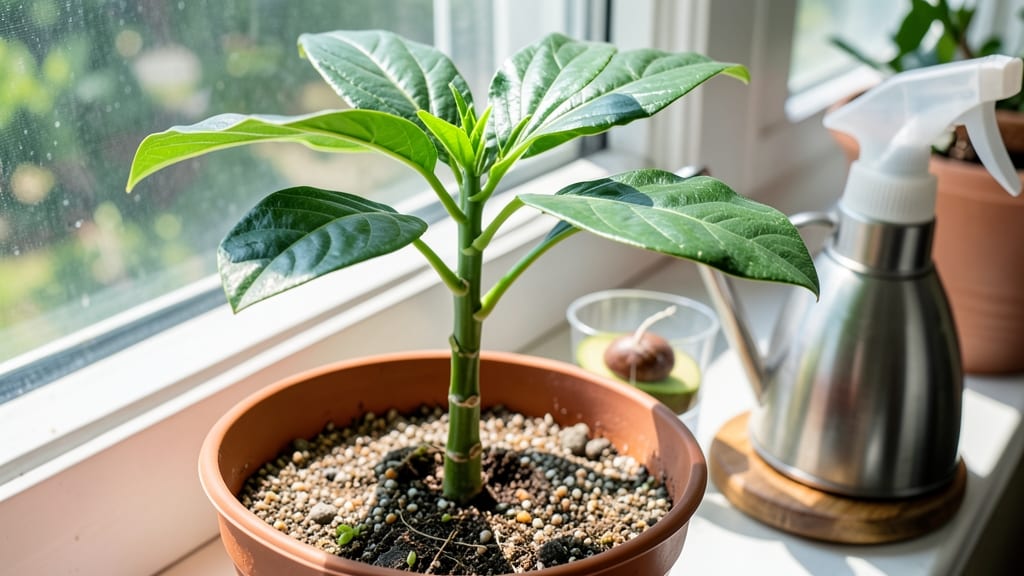
To plant an avocado seed in dirt at the right time means faster sprouts and fewer failed experiments—aim for when soil temperatures hit 70-85°F and frost is a distant memory.
Picture this: you’ve got your seed ready, the pit rinsed and dried, but you wait too long, and suddenly winter’s chill turns your soil into a science experiment gone wrong.
The key is knowing whether you’re in a frost-free zone (like Zone 10) or a cooler climate (like Zone 6), where timing can make or break your 🥑 tree’s future.
In most temperate areas, late winter or early spring—right after your last frost—is your best bet. But if you’re in a warmer climate, you can plant year-round. The trick? Prepping your seed properly (soaking it first!) and keeping it cozy until those first roots peek out.
Below, I’ll walk you through the exact steps to plant your avocado seed in dirt for fast germination, plus the common mistakes that slow down—or kill—your seed’s growth. No more guessing, just proven tricks for success.
Best time of year to plant avocado seeds in soil (by climate Zone)
Timing is everything when planting an avocado seed in soil—especially since these tropical plants thrive in warmth and hate frost. The ideal soil temperature for germination is between 70-85°F, which means your climate zone dictates when to start.
In temperate zones (USDA 6-9), aim for late winter to early spring, while tropical zones (USDA 10-11) can plant year-round. Even indoor starters need seasonal adjustments to avoid heat stress or dormancy.
If you rush planting too early in cold climates, your seedling may face frost damage or stunted growth. Conversely, planting too late in hot zones can lead to heat stress or fungal issues.
The key is matching your seed’s needs with your local last frost date and summer heat patterns. For example, in Zone 6, wait until after April 15, while Zone 10 gardeners can plant anytime.
For indoor germination, you can bypass seasonal limits by using a heated propagation mat (set to 75-80°F) and a south-facing window or grow lights. This mimics tropical conditions year-round, but transfer seedlings outdoors only after soil temps stay above 60°F for 2+ weeks.
In Zone 6, this typically means waiting until mid-May to avoid late frosts.
If you’re in a humid subtropical zone (USDA 8), like the southeastern U.S., plant in early spring to avoid summer’s oppressive heat and fungal risks. Use well-draining soil (like a peat-perlite mix) to prevent root rot, and keep seedlings in partial shade until established.
Mulch with straw to maintain even moisture without overheating the soil.
One common mistake is assuming indoor germination means you can plant anytime—even in winter. While you can start seeds indoors during cold months, the seedling will need supplemental light (12+ hours/day) to prevent leggy growth.
Without enough light, your avocado seedling will stretch toward weak light sources, becoming weak and prone to pests. Use a T5 grow light 6 inches above the seedling for best results.
In arid climates (USDA 7-8), like parts of California or Arizona, the best time to plant is late winter (February-March) to take advantage of cooler soil temps and spring rains. Avoid planting in peak summer unless you’re using drip irrigation and shade cloth to protect young roots.
Even mature avocado trees struggle with 100°F+ soil temps, so always check soil temperature with a thermometer before planting.
Pro tip: If you’re unsure about your local last frost date, check the USDA Plant Hardiness Zone Map and add 2-3 weeks of buffer time.
For example, if your Zone 7 area has a last frost of April 1, plant your avocado seed indoors by March 1 and move it outside by mid-May. This gives your seedling enough time to develop a strong root system before facing outdoor conditions.
Remember, avocado seeds are slow to germinate—often taking 4-8 weeks to sprout. Planting at the right time ensures you don’t waste months waiting for a seed that might rot in cold soil or dry out in hot conditions.
With the right timing and care, you’ll have a healthy seedling ready for transplanting in no time! 🌱
5 Pro tips to speed up avocado seed germination in dirt
Waiting months for your avocado seed to sprout feels like an eternity—especially when you can cut that time in half with the right techniques. The key lies in preparing the seed and soil before planting, as avocado seeds need warmth, moisture, and oxygen to break dormancy quickly.
Unlike traditional methods that rely on patience, these science-backed tricks help you skip the 6+ month wait and see sprouts in as little as 4-8 weeks.
Start by soaking your seed for 24-48 hours in warm water before planting. This mimics natural rainfall and kickstarts metabolic activity inside the seed. Place the seed in a glass of water with the flat side down—this ensures proper hydration without drowning the seed.
Change the water daily to prevent bacterial growth, which can rot the seed before it even sprouts. Once you see a 1-2 inch root, it’s ready to transition to soil.
Here’s how to plant your avocado seed in dirt for the fastest results—using proven methods that work even in less-than-ideal climates:
-
1. Pre-Soak for 24-48 Hours
Soak seed in warm water to soften the shell and speed up hydration. Change water daily to prevent mold. -
2. Use Peat-Based or Coconut Coir Mix
Blend 50% peat moss and 50% perlite for aeration and drainage. Avoid heavy clay soils that trap moisture. -
3. Maintain 75-85°F Soil Temp
Use a seedling heat mat if temps drop below 65°F. Avocados thrive in warmth—mimic tropical conditions. -
4. Cover with Plastic Wrap for Humidity
Create a mini greenhouse by sealing the pot with plastic wrap. Remove daily to check moisture—damp, not soggy. -
5. Place in Bright, Indirect Light
Avoid direct sun until sprouts appear. Use a south-facing window or grow light to prevent scorching.
Once your seedling emerges, transplant carefully to avoid damaging the delicate roots. Use a small pot (6-8 inches) with drainage holes to prevent waterlogging, which can cause root rot.
Place the pot in a bright, indirect light spot—avocado seedlings need 6+ hours of light daily but can’t handle harsh midday sun until established. If you’re in a cooler climate (Zone 6 or below), wait until after the last frost date (typically mid-April) to move seedlings outdoors.
Patience is still part of the process, but these tricks can halve your wait time and give your avocado seedling the best start. With the right soil mix, humidity, and warmth, you’ll see those first leaves in as little as 4 weeks—instead of the usual 6+ months.
The secret? Simulating tropical conditions right in your home or greenhouse.
Pro tip: If you’re in a dry climate, consider using a humidifier near your seedling to maintain the 70-80% humidity avocados crave. This mimics their natural rainforest habitat and prevents the seed from drying out before it sprouts.
With these methods, you’ll be enjoying a homegrown avocado tree in no time—just imagine the fruit you’ll harvest in 5-10 years! 🌳