
Lawn
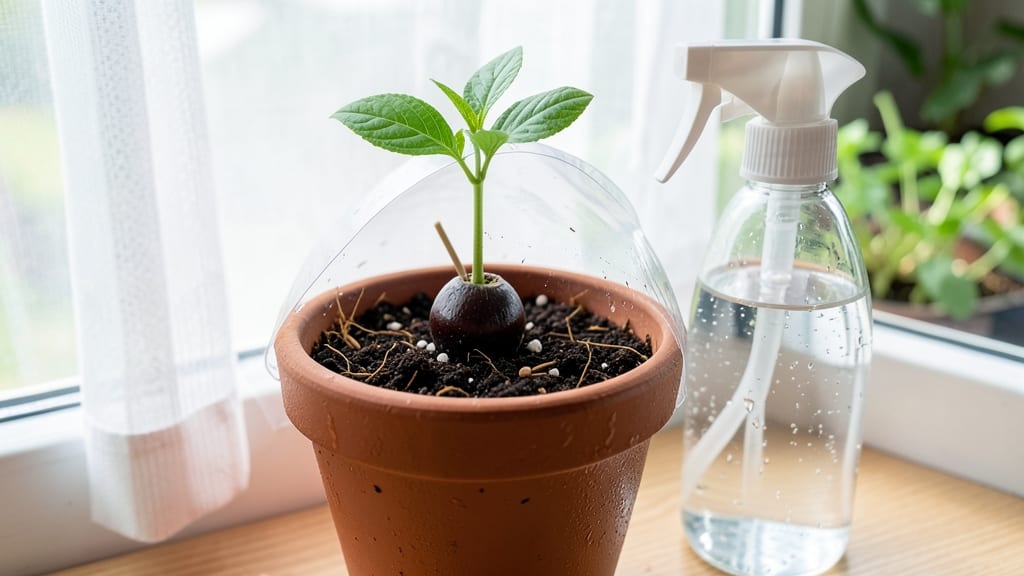
Put an avocado seed in dirt when it’s sprouted 1-2 inches of roots and a 1-inch stem—that’s the sweet spot for a healthy transition from water to soil.
That avocado seed you’ve been watching grow roots in water might be ready for the next big step—but timing is everything. Plant it too soon, and you risk stunting its growth; wait too long, and you could lose your fragile sprout.
Most gardeners start this process in spring (March-April), when indoor light increases and outdoor temperatures warm up. Whether you’re in Zone 6a or a warmer climate, the key is watching for those healthy root signals before burying the seed.
Below, I’ll walk you through the exact steps—soil prep, pot size, and light needs—to give your 🥑 avocado tree the best start possible.
Avocado seed germination stages: when roots and stem signal soil readiness
Watching your avocado seed sprout roots in water is exciting, but knowing when to put an avocado seed in dirt is what separates a thriving plant from a failed experiment.
The transition from water to soil requires precise timing based on root length, stem thickness, and overall seedling health. Each stage offers clear visual cues that tell you it’s time to move forward.
Avocado seeds typically take 2-8 weeks to develop enough roots and stem strength for soil planting. Rushing this process can damage delicate roots, while waiting too long risks overcrowding the jar or introducing mold.
Pay close attention to root growth patterns—healthy roots should grow 1-2 inches per week once sprouting begins.
Here’s the critical visual checklist for soil readiness: roots should reach 2-3 inches in length, the stem should be 1-2 inches tall, and the seedling should have 2-3 dark green leaves. These signs indicate the seedling has built enough energy reserves to survive the stress of transplanting.
⚠️ Important: Never plant a seedling with white, mushy roots or a yellowing stem—these are signs of rot or overwatering. Healthy roots should be firm, white, and fibrous, while the stem should feel sturdy and upright.
The 2-3 inch root threshold is your best indicator for planting. At this stage, the seedling has developed a strong root system capable of anchoring in soil and accessing nutrients. If roots grow too long in water (4+ inches), they may become tangled or brittle, making transplanting difficult.
For indoor seedlings, aim to plant when you notice new leaf growth slowing—this signals the seedling is outgrowing its water environment. Outdoor seedlings, however, should wait until after the last frost date (typically March-April in Zone 6) to avoid cold damage.
Environmental conditions also play a role. If your seedling is in a cool room (below 65°F), growth slows, and you may need to wait 1-2 extra weeks before planting. Conversely, warmth (70-80°F) accelerates growth, so monitor root length closely to avoid overcrowding the jar.
Once your seedling meets the 2-inch root/1.5-inch stem criteria, it’s time to transition to soil. Use a well-draining potting mix and a small pot (6-8 inches wide) to support its early growth.
The first few weeks after transplanting are critical—keep the soil moist but not soggy and place the pot in bright, indirect light.
Remember: Patience is key. Rushing the process can shock the seedling, while waiting too long may lead to root rot or mold. Trust the visual cues—your seedling will tell you when it’s ready to take the next step in its journey from jar to garden.
Step-by-step guide to planting your avocado seed in soil (with common mistakes to avoid)
Now that your avocado seed has sprouted 1-2 inches of roots and a sturdy stem, it’s time to transition it to soil. The key is patience—planting too early can shock delicate roots, while waiting too long risks overcrowding in water.
Aim for a 2-3 inch root system and a 1-inch-thick stem before making the move. This stage usually takes 4-8 weeks depending on warmth and humidity.
Start by choosing a well-draining potting mix with perlite or sand to prevent soggy soil, which can rot roots. A 6-inch diameter pot with drainage holes is ideal for your seedling’s first home.
Avoid garden soil—it’s too dense and can suffocate young roots. Instead, opt for a cactus or succulent mix blended with compost for nutrients.
⚠️ callout warning
Problem: Many gardeners drown avocado seedlings by keeping soil too wet. Roots need air—water only when the top 1 inch feels dry (about every 5-7 days indoors).
Signs of Overwatering: Yellowing leaves, mushy stems, or moldy soil.
Fix: Use a moisture meter or stick your finger in the soil. If it’s damp, wait!
To plant, fill the pot with soil, leaving 1 inch of space at the top. Gently remove your seedling from water, shaking off excess moisture, then place it in the center of the pot.
Bury the root system up to where the stem meets the roots—this encourages stability. Press lightly around the base to secure it without compacting the soil.
After planting, place your pot in bright indirect light (like a south-facing window) and avoid direct sun for 1-2 weeks to reduce transplant shock. Gradually introduce sunlight over 7-10 days to harden the seedling.
Skip fertilizers for 2-3 months—your young avocado only needs time to adjust to its new home.
Monitor for leaf yellowing or drooping, which often signals overwatering or low light. If you notice brown tips, increase humidity with a pebble tray or misting.
Remember, avocado seedlings grow slowly—patience is key. With proper care, your seedling will develop into a 3-5 foot tree indoors within 2-3 years.
Pro tip: Rotate your pot quarter-turns weekly to ensure even growth toward light. Avoid drafts or temperature swings—avocados thrive in 65-80°F conditions. Once your seedling hits 12 inches tall, consider repotting into a 12-inch container with fresh soil to support its growth.