
Lawn
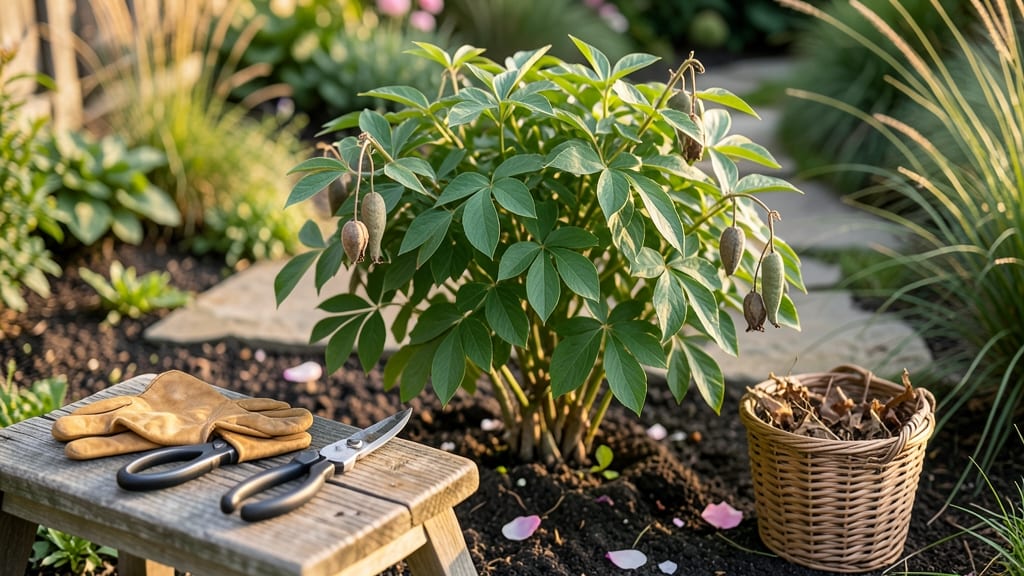
Cut off peony seed pods after flowering but before they pop open—typically in late summer to early fall—to keep your 🌸 plants healthy and prevent a garden takeover.
Struggling to control your peony plants’ wild spread? Those puffy seed pods might look charming, but they’re the reason your garden turns into a peony jungle overnight. Timing is everything—cut them off before they pop, or you’ll lose the battle against self-seeding.
When you wait too long, the pods burst open, scattering seeds everywhere. This drains energy from your plants, reducing next year’s blooms and making your garden look messy. The key is to act when the pods turn brown but are still intact—usually in September or October in most climates.
Below, I’ll walk you through the exact steps for removing seed pods the right way, so your peonies stay lush, bloom like crazy, and don’t take over your yard. No more surprises—and way more flowers!
The exact moment to prune peony seed pods for optimal plant health
Peony seed pods might look whimsical, but they’re actually energy vampires for your plants. When left unchecked, these puffy pods steal vital nutrients from your peony roots and spread seeds like wildfire, turning your garden into a peony jungle.
The secret to keeping your plants healthy—and your garden tidy—is knowing the perfect pruning window.
Timing is everything with peony seed pods. You want to remove them after they’ve turned brown but before they split open. This usually happens in late summer to early fall, typically between September and October in most climates.
Cutting them off at this stage ensures you’re not wasting energy on seed production while still preventing unwanted spread.
Why does this matter? Early removal redirects your peony’s energy back into root growth and next year’s blooms. If you wait too long, those pods will burst open, scattering seeds everywhere.
Suddenly, you’ll have dozens of baby peonies popping up where you don’t want them—and fewer flowers on your prized plants.
Here’s how to spot the ideal pruning moment: Look for pods that are fully brown and dry, almost papery to the touch. They’ll also rattle slightly when shaken.
If you see any green or moist pods, they’re not ready yet. Waiting until they split open means you’ve missed the boat—those seeds are already on the ground!
Step-by-Step: How to Prune Peony Seed Pods
- Step 1: Wait until pods turn fully brown (late summer/early fall).
- Step 2: Use clean pruners or scissors to snip pods 1 inch below the base.
- Step 3: Remove pods before they split open—this stops seed spread.
- Step 4: Dispose of pods in trash (not compost) to prevent regrowth.
- Step 5: Repeat for all pods on the plant to maximize energy for blooms.
✂️ Pro Tip: Wear gloves—peony pods can be prickly!
Once you’ve removed the pods, your peony will thank you by putting more effort into root development and next year’s flowers. This simple step can double your bloom count in just one season.
Plus, you’ll avoid the headache of unwanted peony seedlings popping up in your lawn or flower beds.
If you’re in a warmer climate, pods may dry out earlier—keep an eye on them in August. In cooler zones, they might not be ready until October. The key is to act before the first frost, as cold weather can cause pods to split open naturally.
After pruning, give your peony a light feeding with a high-phosphorus fertilizer (like 5-10-10) to encourage root growth. This helps your plant recover from the energy it lost to seed production. Over time, you’ll notice healthier stems, more vibrant blooms, and far fewer unwanted peony sprouts.
Remember, peonies are perennial powerhouses, but they need your help to stay in control. By pruning seed pods at the right time, you’re not just tidying up—you’re investing in next year’s garden. Your future self (and your neighbors) will thank you!
What happens if you wait too long? The consequences of delayed pruning
Waiting too long to remove peony seed pods triggers a domino effect that weakens your plant and spreads chaos across your garden. Those puffy seed pods aren’t just decorative—they’re energy vampires, siphoning nutrients meant for next year’s showstopping blooms.
Left unchecked, they’ll pop open, scattering hundreds of seeds that sprout into unwanted peony volunteers everywhere.
By the time you notice the problem, your peony’s vigor has already taken a hit. The plant diverts energy from root growth and flower buds to produce seeds, leaving fewer blooms for the following season.
Worse yet, those volunteer seedlings compete with your established plants for water and sunlight, creating a crowded, unruly garden that’s harder to manage.
Here’s how delayed pruning plays out in your garden, compared to perfect timing:
When you remove seed pods before they split, your peony redirects energy toward root expansion and next year’s blooms. The plant stays compact, healthy, and focused on what matters: luxuriant flowers, not scattered seedlings.
Think of it like pruning weeds—the sooner you act, the less work you’ll have later.
If you’ve already let pods go to seed, don’t panic. Pull those volunteer seedlings as soon as they appear, and focus on fertilizing your main plants in early fall to recover their strength. The key takeaway? Timing saves time—and keeps your garden looking intentional, not overrun.
Next time you see those puffy seed pods forming, grab your pruners and act fast. Your future self—and your garden’s tidy edges—will thank you. ✂️🌸