
Lawn
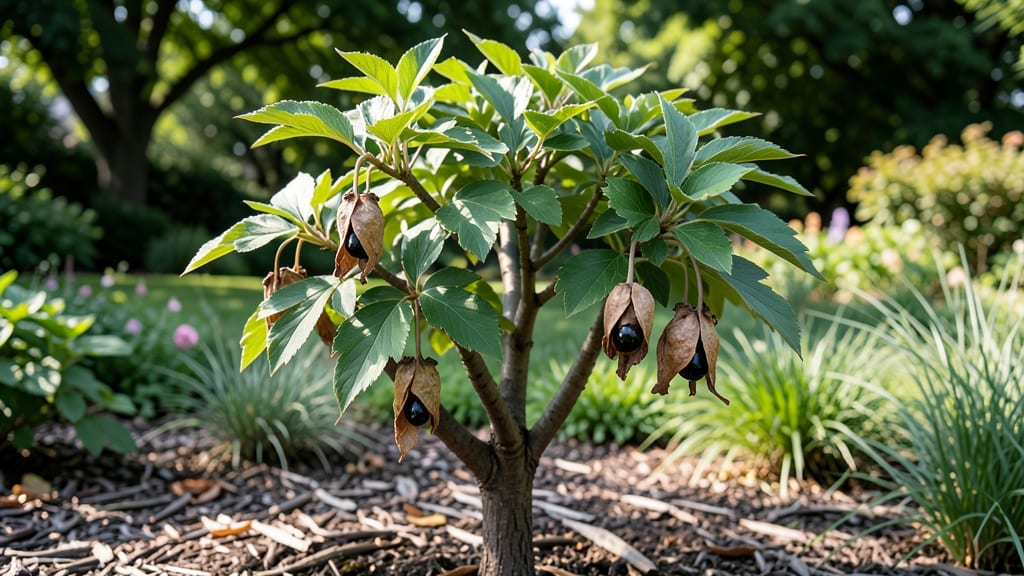
Tree peony seed pods hold the secret to growing your own rare varieties—if you know how to break their stubborn dormancy. 🌱 I’ve spent years experimenting with these finicky pods, and what I’ve learned will help you turn those woody husks into thriving plants, not just another failed experiment.
The key is timing: harvest pods when they’re dry and brown in late fall, then soak them in warm water for 24-48 hours to soften the shell. Inside, you’ll find flat, dark seeds that need cold stratification—mix them with damp sand and refrigerate for 3 months before planting.
Most seeds won’t sprout right away, but patience pays off with unique, disease-resistant peonies.
Compared to grafting, seed-grown peonies take 3-5 years to bloom but offer unmatched genetic diversity. You’ll end up with plants that defy nursery labels—think deeper colors, later blooms, or even unusual double flowers. The trade-off? Lower success rates, but the reward is worth it for adventurous gardeners.
Start small with 5-10 pods to test viability, and keep notes on each batch. Even if only one seedling survives, it could be worth more than any grafted plant. Here’s how to maximize your chances—no green thumb required, just persistence.
📚 In This Guide
- What you need
- Instructions
- Tips and common mistakes
- Wrapping up and next steps
What you need
- ● Tree peony seed pods: 10–20 mature, fully dried pods (harvested in late fall/winter). Ensure they’re plump, brown, and slightly leathery.
- ● Stratification medium: Option 1: Moistened peat moss or coconut coir (2–3 cups)
- ● Option 2: Sphagnum moss (1–2 inches thick)
- ● Plastic storage bag or airtight container (quart-sized or larger, with a zip-top seal).
- ● Refrigerator or cold stratification setup: A standard fridge (33–40°F) or a dedicated cold chamber.
- ● Small pots or seed trays (3–4 inch diameter, with drainage holes). Fill with well-draining potting mix (e.g., 50% perlite + 50% compost).
- ● Plant labels & pencil (to track pod varieties and planting dates).
- ● Pruning shears or sharp scissors (for harvesting pods without damaging stems).
- ● Fine-mesh sieve or colander (to clean pods of debris).
- ● Spray bottle (for misting stratification medium).
- ○ Heat mat (optional) (to warm soil post-stratification, if germinating indoors).
- ● Grow lights or sunny windowsill (for seedlings needing extra light).
- ● Garden journal (to log dormancy progress and blooming timelines).
- ● Patience! Tree peony seeds can take 6–12 months to germinate—plan ahead. 🕒
- ● A cool, dark space (like a basement or unheated garage) for initial pod storage if fridge space is tight.
- ● Access to outdoor planting space (zones 4–8) for mature seedlings, or a large container (15+ gallons) for patio growing.
How to break tree peony seed pod dormancy for successful germination
Tree peonies need a little coaxing to bloom—here’s how to trick their seed pods into breaking dormancy reliably.
🌱 Step 1: Harvest and Dry the Seed Pods Properly
Collect mature seed pods when they turn brown and begin splitting open naturally, usually in late summer or early fall. Place them in a paper bag and store in a dry, well-ventilated area for 4-6 weeks—this mimics natural drying conditions. The pods should feel light and brittle when fully dry, signaling the seeds are ready for stratification.
If pods crack open prematurely, remove the seeds immediately and finish drying them on a screen. Avoid plastic bags—they trap moisture and encourage mold. Once dry, store seeds in an airtight container with silica gel packets to prevent moisture buildup until stratification.
⏰ Step 2: Stratify Seeds for Dormancy Break
Tree peony seeds require 6-8 weeks of cold stratification to break dormancy. Mix seeds with slightly damp sand or perlite in a sealed container, then refrigerate at 35-45°F—this simulates winter conditions. Check weekly to ensure the mix stays lightly moist but not soggy.
I like to label containers with the date and variety (if known) to track stratification time. If mold appears, discard the batch and start fresh—fungal growth can kill seeds before they germinate. After 6 weeks, transfer the container to a warm, bright spot to encourage sprouting.
☀️ Step 3: Sow Stratified Seeds in Well-Draining Soil
Fill 4-inch pots with a mix of 50% potting soil and 50% perlite to ensure excellent drainage—tree peonies hate soggy roots. Plant seeds ½ inch deep, spacing them 2 inches apart in the pot. Water gently until the soil is evenly moist but not waterlogged.
Place pots in a bright, indirect light spot (like a north-facing window) until germination, which can take 4-12 weeks. Avoid direct sunlight—young seedlings are sensitive to heat stress. Once sprouts emerge, reduce watering slightly to prevent damping-off, but keep the soil consistently moist.
🌿 Step 4: Harden Off and Transplant Seedlings
After 8-12 weeks, when seedlings develop 2-3 true leaves, begin hardening them off by placing pots outside in partial shade for 1-2 hours daily. Gradually increase exposure over 2 weeks, ending with full sun tolerance. Transplant outdoors after the last frost, spacing seedlings 3-4 feet apart in well-draining soil.
Mulch heavily around the base with 2-3 inches of organic mulch to protect roots and retain moisture. Tree peonies are slow growers—expect blooms in 3-5 years, but proper dormancy-breaking now ensures reliable flowers later. Be patient; the wait is worth it for those stunning, fragrant blooms.
Tips & tricks for perfect tree peony seed pod germination
These insider techniques will help you maximize your chances of breaking dormancy and nurturing those delicate seedlings.
Timing Secret: In Step 1, don't rush the 4-6 week drying period—this is where nature's magic happens. The pods need this time to fully dry and harden, which mimics the natural drying process they'd experience in autumn. I've found that pods dried in a well-ventilated area with occasional airflow (like near an open window) develop that perfect brittle texture more consistently. Trust me, skipping this step is the fastest way to moldy seeds.
Temperature Matters: For Step 2's cold stratification, that 35-45°F range is crucial—it's not just about being cold, but about maintaining consistent cool temperatures. I use the crisper drawer of my refrigerator for this, as it's more stable than the main fridge compartment. If your fridge fluctuates, consider using a dedicated seed stratification fridge or even a cooler with ice packs. The goal is to simulate winter conditions precisely, which is what triggers those seeds to break dormancy.
Soil Science: When preparing your 50% potting soil and 50% perlite mix in Step 3, don't skimp on the perlite. This isn't just about drainage—it's about creating an environment that prevents root rot, which is deadly for young peony seedlings. I've had the best success with a slightly coarse perlite that creates pockets of air around the roots. Also, consider adding a handful of coarse sand to improve drainage further if your potting soil tends to compact.
Light Strategy: For Step 3's bright, indirect light requirement, I've found that a north-facing window works best, but if you don't have one, grow lights can be a game-changer. Place them about 6 inches above the seedlings and use them for 12-14 hours daily. The key is to avoid direct sunlight initially—those delicate seedlings can scorch easily. I've had seedlings that looked perfect in indirect light suddenly develop brown patches after just a few hours of direct sun exposure.
Pro Tips for Tree Peony Seed Pods
- These insider techniques will help you maximize your chances of breaking dormancy and nurturing those delicate seedlings.
- Timing Secret: In Step 1, don't rush the 4-6 week drying period—this is where nature's magic happens.
- Temperature Matters: For Step 2's cold stratification, that 35-45°F range is crucial—it's not just about being cold, but about maintaining consistent cool temperatures.
Frequently asked questions
Got questions about tree peony seed pods?
You’re not alone! Here are answers to the most common queries—from timing to troubleshooting—to help you maximize your success with these stunning bloomers.
When do tree peony seed pods form, and how long until germination?
Tree peony seed pods typically form late summer to early fall (August–October) after flowering. Germination can take 1–2 years—patience is key! Store pods in a cool, dry place (like a paper bag in the fridge) to mimic natural dormancy. Pro tip: Scarify seeds lightly with sandpaper before planting to speed up germination.
How do I break dormancy for tree peony seed pods?
Tree peony seeds need cold stratification (40–50°F for 6–8 weeks) to break dormancy. Place pods in a sealed container with moist peat moss or paper towels, then refrigerate. After cold treatment, sow seeds outdoors in fall or indoors in a cold frame. Avoid rushing—nature’s timing works best!
Can I grow tree peonies from seed pods, or should I buy plants?
While possible, growing from seed pods is slow and unpredictable—expect blooms in 5–7 years (vs. 2–3 years for grafted plants). For faster results, buy established trees. If experimenting with seeds, mix with soil and plant deeply (1–2 inches) to protect tender seedlings.
Why aren’t my tree peony seed pods opening or producing seeds?
Common culprits:
- Poor pollination: Hand-pollinate flowers with a soft brush if bees are scarce.
- Immature pods: Wait until pods turn brown and papery before harvesting.
- Disease/fungus: Prune affected pods and ensure good airflow.
If pods stay green or rot, check for overwatering or pests like aphids.
Do tree peony seed pods need special soil or sunlight?
Tree peonies thrive in well-draining, slightly alkaline soil (pH 6.5–7.5) with full sun (6+ hours/day). Seedlings tolerate partial shade but may bloom less. Amend heavy clay with compost or sand. Pro tip: Mulch lightly to retain moisture without suffocating roots.
Bonus: Can I collect seeds from hybrid tree peonies?
Hybrid tree peonies (Paeonia suffruticosa) may not true to type—seeds could grow into wild-type peonies with different colors or sizes. For consistent hybrids, propagate via layering or grafting instead. Save seeds only if you’re okay with surprises!
Wrapping up and next steps
Unlocking the potential of tree peony seed pods is all about patience, precision, and a little creativity!
By understanding their natural dormancy and applying the right techniques—whether through cold stratification, scarification, or even indoor germination—you’re well on your way to nurturing vibrant blooms. Don’t let setbacks discourage you: even seasoned gardeners face hiccups, but persistence pays off with stunning results.
Ready to take the next step? Start small—try sowing a few pods in a controlled environment like a seed tray or pot before expanding. Keep a gardening journal to track progress, and soon, you’ll be sharing your tree peony success story with fellow green thumbs! 🌱✨