
Lawn
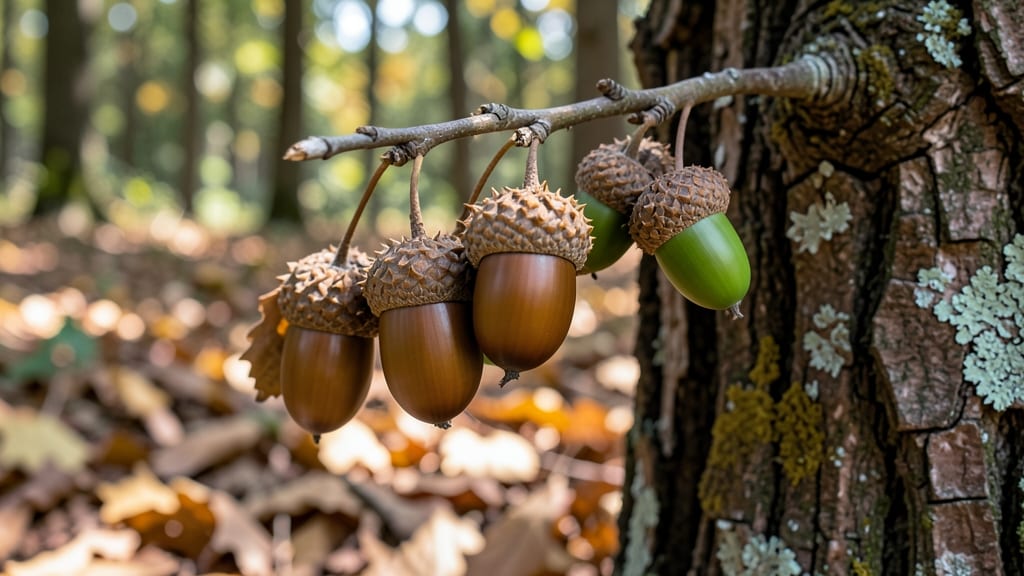
Oak tree seed pods hold the promise of future shade giants—if you break their dormancy first. 🌳 The key to reliable germination isn't just planting; it's mimicking nature's cold-wet cycle through cold stratification. I've turned dozens of acorns into thriving saplings using this exact method, and now you can too.
You'll need fresh acorns (harvested in fall), damp sand or peat moss, and a plastic bag or container. The process takes about 3 months of refrigeration before planting, but the payoff is worth it—stronger roots and faster growth.
Most gardeners skip this step and end up with weak seedlings that fail.
By spring, you'll have sturdy young oaks ready to transplant, their deep roots already established. These trees will outperform nursery stock because they've been nurtured from the start. The shade they provide in 10 years will make your garden the envy of the neighborhood.
Works for red, white, or pin oak varieties, and the same method applies to other hardwood seeds too. Here's how to do it right the first time—no more wasted acorns or disappointing results.
📚 In This Guide
- What you need
- Instructions
- Tips and common mistakes
- Wrapping up and next steps
What you need
- ● Fresh oak tree seed pods (acorns): Collect at least 20–50 pods from mature, healthy oak trees (preferably white oak or red oak). Ensure they’re plump, firm, and free of cracks or mold.
- ● Sand or potting mix: Use coarse sand (like horticultural sand) or a well-draining potting mix (e.g., 50% sand + 50% peat moss or coconut coir). You’ll need about 1–2 gallons total.
- ● Plastic bag or airtight container: A ziplock bag (quart or gallon size) or a sealed plastic container with ventilation holes (like a Tupperware with a loose lid).
- ● Moisture control: A spray bottle with water or a damp paper towel to maintain humidity.
- ● Refrigerator or cold stratification setup: A standard home fridge (set to 35–40°F) or a cool, dark outdoor space (like a garage or shed) with consistent temps.
- ● Labeling supplies: Masking tape + marker or a small chalkboard to track pod types and stratification dates.
- ● Growth medium for planting: A seed-starting tray or small pots (3–4 inches deep) filled with sterile potting soil for transplanting after stratification.
- ● Humidity dome or clear lid: To create a mini greenhouse effect during germination (e.g., a plastic cloche or humidity tent).
- ● Heating mat (for indoor setups): A seedling heat mat (set to 70–75°F) to speed up germination once pods are removed from cold storage.
- ● Fungicide (preventative): A mild fungicide spray (like neem oil or hydrogen peroxide solution) to protect against mold during stratification.
- ● Journal or app: A notebook or garden app (e.g., Gardenate) to log stratification progress and germination dates.
Step-by-Step instructions for cold stratifying oak tree seed pods
Here's the foolproof method I've used to break oak seed dormancy—no guesswork, just reliable germination.
🌱 Step 1: Collect and Prepare Fresh Seed Pods
Gather mature oak acorns still in their seed pods from the ground in late fall or early winter. Freshness matters—older acorns lose viability quickly. Remove any damaged or worm-infested pods immediately; healthy ones should feel firm with no cracks or soft spots.
Rinse the pods gently under cool water to remove dirt, but don't soak them. Let them air-dry completely on a paper towel for 24 hours. This prevents mold while keeping the seeds viable. I always label my collection with the oak species and harvest date—some varieties need slightly different stratification times.
❄️ Step 2: Layer Pods in Moist Sand or Perlite
Fill a shallow container (like a plastic bin) halfway with clean, damp sand or perlite—moist enough to hold together when squeezed but not dripping. Spread the oak pods in a single layer, spacing them about 2 inches apart to allow airflow. Cover them completely with another 2-3 inch layer of the same moist medium.
This moisture level mimics natural winter conditions without creating anaerobic pockets where seeds rot. I use a spray bottle to mist the top layer weekly if it dries out—just enough to keep it damp to the touch. Place the container in a dark, cool location (like a garage or unheated basement) where temperatures stay between 35-45°F.
⏰ Step 3: Stratify for 90-120 Days
Cold stratification for oak seeds takes 90-120 days—don't rush it. Check the pods monthly to ensure the medium stays consistently moist. If you notice mold or foul smells, discard the batch immediately and start fresh with new pods and sterilized medium.
After 90 days, remove the container to a slightly warmer spot (50-60°F) for another 2-4 weeks. This gradual warming mimics spring's arrival. You'll know stratification worked when the seed pods split open naturally—this usually happens 10-14 days after the temperature shift. Resist the urge to force them open; the seeds need this natural process.
🌱 Step 4: Plant Stratified Seeds in Pots
Once the pods split, remove the acorns and plant them 1 inch deep in individual 3-4 inch pots filled with a sterile seed-starting mix. Water gently until the soil is evenly moist but not soggy. Place the pots in a bright, indirect light area (like a north-facing window) where temperatures stay 65-75°F during the day.
Keep the soil consistently moist—not wet—and expect germination in 4-8 weeks. Oak seeds are stubborn; some may take longer. I cover each pot with a clear plastic dome to retain humidity until sprouts appear, then remove it immediately to prevent fungal issues. Thin seedlings if multiple sprouts emerge from one acorn, keeping only the strongest.
☀️ Step 5: Harden Off and Transplant
After 4-6 weeks of growth (when seedlings reach 4-6 inches tall), begin hardening them off. Move pots outside to a shaded, sheltered spot for 1-2 hours the first day, gradually increasing exposure over 10-14 days. Oak seedlings are delicate—too much sun or wind too soon will scorch their leaves.
Transplant outdoors after the last frost date, choosing a location with full sun and well-draining soil. Dig a hole twice as wide as the root ball but only as deep as the pot's base. Water deeply after planting to settle the soil. Mulch around the base with 2-3 inches of organic mulch to retain moisture and protect young roots.
Tips & tricks for perfect oak tree seed pod stratification
These simple tricks will help you maximize your oak seed germination success without the guesswork.
Selection Tip: When collecting oak seed pods, focus on those that feel heavy for their size—this indicates a fully developed acorn inside. Avoid any pods with cracks, holes, or signs of insect damage, as these will fail to germinate. I've found that pods from white oak varieties often germinate more reliably than red oak, though both can succeed with proper stratification.
Moisture Control: The 24-hour drying period in Step 1 is crucial—it prevents mold while keeping seeds viable. After layering in moist sand or perlite, check moisture weekly by squeezing a handful: it should hold together but not drip. If the top layer dries out, use a spray bottle to mist just until damp to the touch. Too much moisture creates anaerobic conditions that kill seeds.
Temperature Matters: Maintaining the 35-45°F range during stratification is non-negotiable for breaking dormancy. If your garage or basement runs warmer, place the container in the coldest spot possible, like near an exterior wall. After 90 days, the gradual shift to 50-60°F mimics spring—this temperature change triggers the pods to split naturally. I've seen pods fail to germinate when kept too warm during stratification.
Visual Cues for Success: In Step 4, watch for the pods to split open naturally—this usually happens 10-14 days after the temperature shift. If you see cracks but no acorn emerging, gently pry the pod open with your fingers. The acorn should feel firm; if it's soft or shriveled, it didn't complete stratification successfully. Plant only the firm, healthy-looking acorns for best results.
Pro Tips for Oak Tree Seed Pods
- These simple tricks will help you maximize your oak seed germination success without the guesswork.
- Selection Tip: When collecting oak seed pods, focus on those that feel heavy for their size—this indicates a fully de...
- Moisture Control: The 24-hour drying period in Step 1 is crucial—it prevents mold while keeping seeds viable. After l...
Frequently asked questions
Got questions about oak tree seed pods? You’re not alone! Here are some of the most common queries—plus straightforward answers to help you tackle germination like a pro.
What’s the best time to harvest oak acorns for cold stratification?
Harvest oak acorns in late fall (October–November) once they’ve fallen naturally from the tree. Avoid green or partially eaten acorns—they won’t store or germinate well. Clean them of debris, then stratify immediately for best results!
How long does cold stratification take for oak seed pods?
Oak acorns need 90–120 days of cold, moist stratification (40–50°F). Use a mix of peat moss and sand in a sealed container, or bury them outdoors in a protected spot. Patience pays off—this mimics winter’s natural dormancy break!
Can I reuse last year’s stratified acorns if they didn’t sprout?
Unfortunately, no. Once stratification ends, leftover acorns won’t regerminate—they’ve either sprouted or lost viability. Start fresh each year for reliable success. Pro tip: Label containers to track timing and avoid confusion!
What if my acorns mold during stratification?
Mold is a red flag! If you see fuzzy growth, discard the batch immediately—mold can kill seeds or spread to other materials. To prevent it, keep moisture even (not soggy) and store in a well-ventilated container. A breathable bag or mesh works better than a sealed plastic bag.
Are there alternatives to cold stratification for oak acorns?
Cold stratification is the gold standard for oaks, but you can try sand stratification (burying acorns in damp sand outdoors) or a refrigerator method (40°F for 3 months). However, results may vary—oaks are finicky! For best odds, stick with the classic cold-moist approach.
Wrapping up and next steps
From understanding the unique needs of oak tree seed pods to mastering cold stratification, you’re now equipped to unlock next year’s gardening success! 🌱 These resilient seeds hold the promise of towering oaks—let your patience and preparation turn them into reality.
Ready to take the next step? Start collecting your acorns this fall and dive into the process early. Your future shade tree awaits!