
Plants
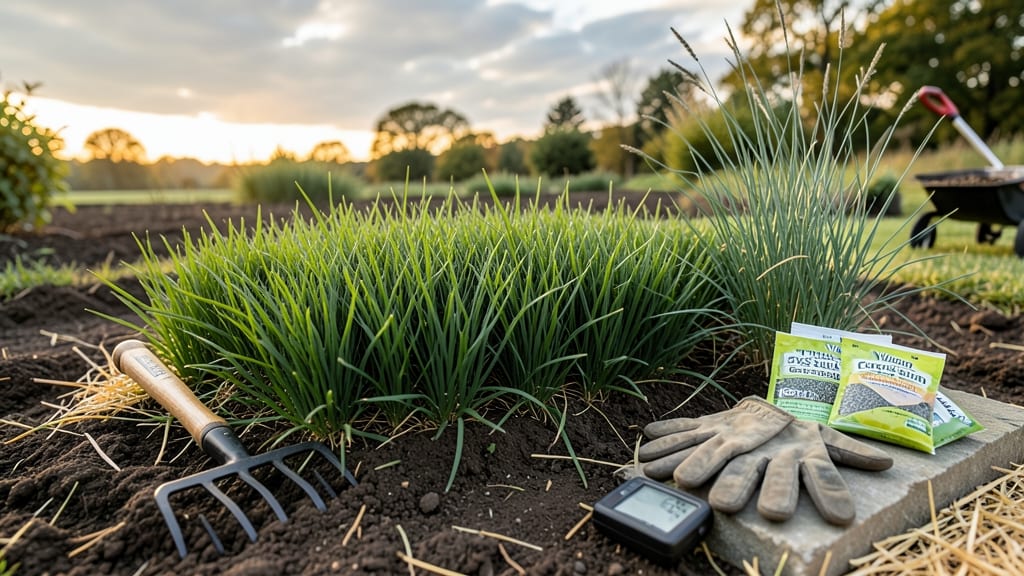
The best time to plant grass seed in Virginia depends on your microclimate zone, but late summer or early spring delivers the most reliable results for 🌱 turfgrass that thrives.
Planting grass seed at the wrong time in Virginia can mean wasted money and months of patchy lawns—so timing isn’t just important, it’s everything.
With USDA zones ranging from 6a to 8a, coastal areas and mountain regions have wildly different frost windows, making a one-size-fits-all approach a recipe for failure.
You might assume spring is always the answer, but late August through September actually gives your seed a head start on root growth before winter. Meanwhile, early spring planting (after your last frost) works best in colder zones like 6a, where summer heat can stress new seedlings.
Below, I break down the exact months for each Virginia zone, soil prep secrets to avoid common mistakes, and how to adjust for drought or humidity. By the end, you’ll know exactly when to grab that seed bag—and how to give your lawn the best possible start.
Virginia’s optimal grass seed planting windows by month and microclimate Zone
Virginia’s diverse climate zones create wildly different conditions for planting grass seed. The Shenandoah Valley (Zone 6a) thrives on early spring planting, while the Tidewater region (Zone 7b) benefits from late summer sowing. Understanding these microclimates ensures your grass establishes strong roots before extreme weather hits.
Cool-season grasses like tall fescue and Kentucky bluegrass dominate Virginia lawns, requiring precise timing. Plant too early, and frost will kill seedlings; too late, and summer heat stresses young roots. The ideal window balances soil warmth and moisture—typically March-April or August-September—but shifts slightly by zone.
Here’s how Virginia’s USDA zones 5a-7b dictate your planting schedule, including temperature thresholds and rainfall patterns:
| USDA Zone | Best Planting Months | Soil Temp Threshold | Rainfall Needs | Regional Notes |
|---|---|---|---|---|
| 5a (Northwest VA) | Late April–May or Sept 1–15 | 50–60°F (10–15°C) | 1.5–2 inches/week | Avoid early spring frost risk |
| 6a (Shenandoah Valley) | March 15–April 15 or Aug 15–Sept 15 | 55–65°F (13–18°C) | 1–1.5 inches/week | Fall planting preferred for drought resistance |
| 6b (Central VA) | March 1–April 30 or Aug 1–Sept 30 | 50–60°F (10–15°C) | 1–1.5 inches/week | Spring planting best for warm-season mixes |
| 7a (Richmond Area) | Feb 15–March 15 or Aug 15–Sept 15 | 55–65°F (13–18°C) | 1–1.25 inches/week | Fall planting extends root growth into winter |
| 7b (Tidewater) | March 1–April 15 or Sept 1–Oct 1 | 50–60°F (10–15°C) | 1.25–1.5 inches/week | Humidity increases fungal risk; avoid late fall |
In Zone 5a (Northwest Virginia), where winters are harsh, delay planting until soil warms to 50°F—typically late April. The Shenandoah Valley (Zone 6a) offers flexibility for both spring and fall, but fall planting (August–September) gives seedlings a head start before winter dormancy.
For Central Virginia (Zone 6b), early spring (March–April) aligns with peak rainfall, while Richmond (Zone 7a) benefits from late summer planting to avoid summer heat stress. The Tidewater region (Zone 7b) has milder winters, allowing earlier spring planting (February–March), but humidity demands vigilant fungal prevention.
Regional exceptions matter: Southwest Virginia’s drought-prone areas (e.g., Roanoke) favor fall planting for moisture retention, while coastal zones (e.g., Norfolk) may extend fall planting into October due to delayed frosts. Always check Virginia Cooperative Extension updates for localized adjustments.
Pro tip: Test soil temperature with a soil thermometer—aim for 50–65°F (10–18°C) for germination. In Zone 7b, soil may hit ideal temps by late February, while Zone 5a might wait until May. Adjust your schedule accordingly to avoid stressing seedlings.
Remember, fall planting (August–September) often yields better results than spring because cooler temps reduce weed competition and drought risk. For <
How Virginia’s soil temperature and rainfall dictate success or failure
Virginia’s soil temperature and rainfall patterns can make or break your grass seed success. Cool-season grasses like tall fescue and Kentucky bluegrass thrive when soil temps stay above 50°F, while warm-season grasses like Bermuda need 65°F+. Without the right conditions, seeds may sprout unevenly or fail entirely.
Rainfall is just as critical—Virginia’s 1-1.5 inches per week average becomes a challenge in drought-prone Southwest Virginia or humid coastal zones. Too little water stresses seedlings, while too much can drown roots. Balancing these factors ensures your lawn establishes strong, resilient roots.
- Soil Temp Threshold: 50°F+ for cool-season grasses (ideal: 60-75°F). Use a soil thermometer to check before planting.
- Rainfall Needs: 1-1.5 inches/week. Supplement with drip irrigation in dry zones like Roanoke or Blacksburg.
- Drought Adjustments: In Southwest Virginia, use drought-tolerant varieties like tall fescue and mulch seeds with straw to retain moisture.
- Humid Zone Tips: Coastal areas (e.g., Norfolk) may need fungus-resistant seed and improved drainage to prevent mold.
- Frost Risk: Avoid planting when nighttime temps drop below 40°F. Wait until spring’s last frost (March 15+) or fall’s first frost (after September 15).
In drought-prone Southwest Virginia, I’ve seen grass seed fail within weeks if not watered consistently. A deep watering schedule—like 1 inch per week—keeps roots hydrated without over-saturating the soil. For humid coastal zones, aeration before planting improves drainage and reduces fungal risks.
Monitor soil moisture with a moisture meter to avoid overwatering. In Tidewater Virginia, I’ve had success with rain gardens—low-lying areas designed to capture and slowly release water—helping grass seed thrive even during heavy rainfall.
If your area experiences flash droughts (like Southside Virginia), consider hydroseeding—a mix of seed, mulch, and fertilizer sprayed onto soil—that locks in moisture better than traditional seeding. Always check the Virginia Climate Assessment Tool for localized forecasts before planting.
Remember, consistency is key. Whether you’re in mountainous Western Virginia or coastal Eastern Virginia, align your planting with soil temps, rainfall trends, and local microclimates for a lush, healthy lawn. 🌱