
Lawn
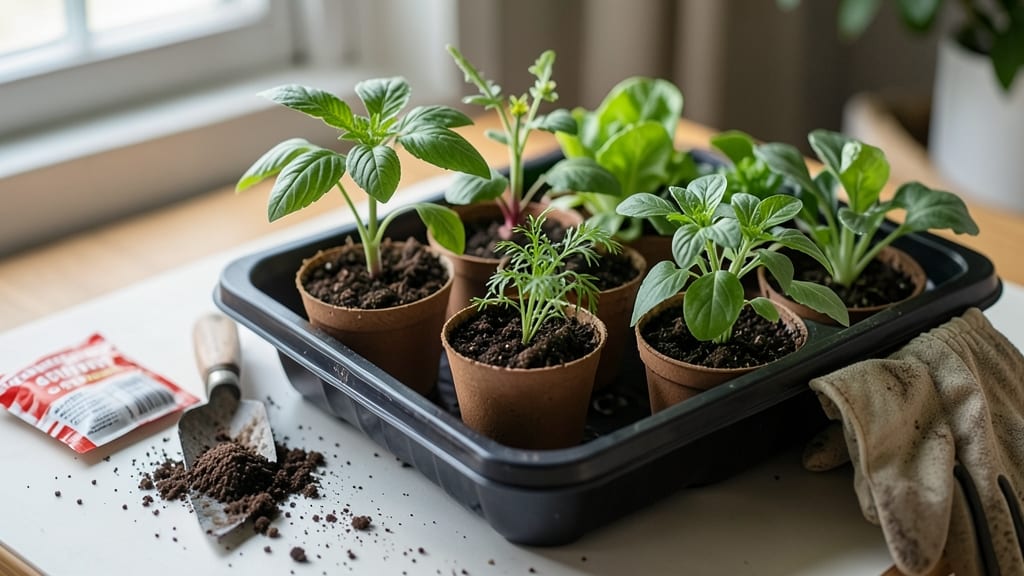
A seed planting schedule is your roadmap to a thriving garden—miss the timing, and you’re left with weak starts or wasted seeds.
Picture this: you’ve spent hours preparing soil, only to watch your seedlings bolt in the heat or freeze before sprouting. That’s the frustration of guessing instead of planning. The right schedule turns gardening from a gamble into a predictable, rewarding process.
Whether you’re in Zone 6a or another region, knowing when to sow cool-season crops like spinach in early spring or warm-season tomatoes after the last frost makes all the difference.
This guide breaks down the best months for every type of seed, so you can avoid common mistakes and extend your harvests.
From frost dates to succession planting, you’ll discover how to align your schedule with your climate, plant type, and even container gardening needs. Let’s get those seeds in the ground at the perfect time!


Month-by-month seed planting schedule by USDA Zone
Getting your seed planting schedule right means the difference between a thriving garden and wasted effort. Your USDA hardiness zone dictates when to plant cool-season crops like spinach and warm-season crops like tomatoes, but even within zones, timing varies.
For example, Zone 3 gardeners should start cool-season seeds indoors in March, while Zone 10 can direct-sow them in October. The key is aligning your planting with last frost dates and first frost dates to avoid stunted growth or frost damage.
This schedule covers USDA Zones 3-10, breaking down ideal planting windows for both vegetables and flowers. I’ve included succession planting tips to extend harvests and notes on frost-sensitive plants like peppers and cucumbers.
Whether you’re a beginner or a seasoned gardener, these guidelines will help you plan for peak growth and avoid common timing mistakes.
Pro Tip: Always check your local last frost date (available via USDA Plant Hardiness Zone Map) and adjust by 2-4 weeks for frost-sensitive plants. In Zone 5, for instance, you might start tomato seeds indoors in February but wait until May to transplant outdoors after the last frost.
For Zone 3-4, focus on early spring planting (March-April) for cool-season crops like peas and spinach, which tolerate light frosts. Start warm-season seeds indoors in February to give them a head start before transplanting after the last frost.
In Zone 5-6, you can direct-sow lettuce and radishes as early as April, but hold off on tomatoes until soil warms to 60°F.
In warmer zones (7-10), take advantage of fall planting for cool-season crops like kale and broccoli, which thrive in mild winters. Zone 10 gardeners can plant year-round, but avoid summer heat stress by using shade cloth for leafy greens. Succession planting is especially valuable here—sow radishes every 2 weeks to ensure a steady supply without overcrowding.
One of my favorite succession planting tricks is interleaving fast-growing crops (like radishes) with slow-growing ones (like carrots). Radishes mature in 30 days, leaving space for carrots, which take 70 days.
This maximizes your garden bed space and extends harvests. For frost-sensitive plants like peppers and eggplants, use row covers or greenhouses to push their growing season earlier in cooler zones.
Don’t forget about herbs like basil and cilantro, which thrive in cool weather but bolt in heat. In Zone 6, I sow basil in April and again in September for a fall harvest.
For Zone 9-10, you can grow basil year-round with proper shade and watering. Always check seed packets for days to maturity—this tells you exactly when to expect harvests and when to replant.
If you’re new to seed starting indoors, begin 6-8 weeks before your last frost date. Use grow lights if natural light is limited, and keep seedlings at 70°F for optimal growth. Harden off seedlings by gradually exposing them to outdoor conditions over
Top 5 mistakes to avoid when following a seed planting schedule
Following a seed planting schedule is essential for a thriving garden, but even experienced gardeners make costly mistakes.
The most common error? Ignoring last frost dates—planting warm-season crops like tomatoes or peppers too early can lead to frost damage, while cool-season crops like kale planted too late may bolt before harvest.
Always check your USDA hardiness zone and local frost forecasts to align your schedule with nature’s rhythm.
Another frequent misstep is overcrowding seedlings in the hopes of saving space. While it might seem efficient, packed seedlings compete for nutrients and sunlight, resulting in leggy, weak plants.
Always follow the spacing guidelines on seed packets—think of it as giving each plant room to stretch its roots and leaves without fighting its neighbors for survival.
Burying seeds too deep is a silent killer of germination. Most seeds need 2-3x their width of soil coverage—no more! For example, carrot seeds should sit just 1/8 inch deep, while bean seeds only need 1 inch. Over-deepening starves seedlings of oxygen, causing them to rot before they even sprout. Always check the seed packet for depth rules!
Many gardeners also fall into the trap of skipping soil preparation. A seed planting schedule won’t save you if your soil is compacted, nutrient-poor, or waterlogged. Before sowing, loosen the top 6 inches of soil, mix in compost, and ensure proper drainage.
For containers, use a lightweight potting mix designed for seedlings—heavy garden soil can suffocate tender roots.
Another mistake is planting at the wrong time of day. Seeds sown in hot afternoon sun dry out too quickly, while those planted in late afternoon may sit in damp soil overnight, inviting fungal diseases.
Aim for morning planting when temperatures are cooler and moisture levels are ideal. Water gently afterward to settle the soil without disturbing the seeds.
Finally, don’t underestimate the power of succession planting. Many gardeners plant all their lettuce or radishes at once, only to face a glut of harvests followed by nothing. Instead, stagger plantings every 2-3 weeks to ensure a steady supply.
This technique works especially well for fast-growing crops like spinach or bush beans, keeping your kitchen stocked all season long.
By avoiding these seed planting mistakes, you’ll transform wasted seeds into bountiful harvests. Start with small adjustments—like checking frost dates or spacing seeds correctly—and watch your garden’s potential unfold like a perfectly timed bloom. Happy planting! 🌱