
Plants
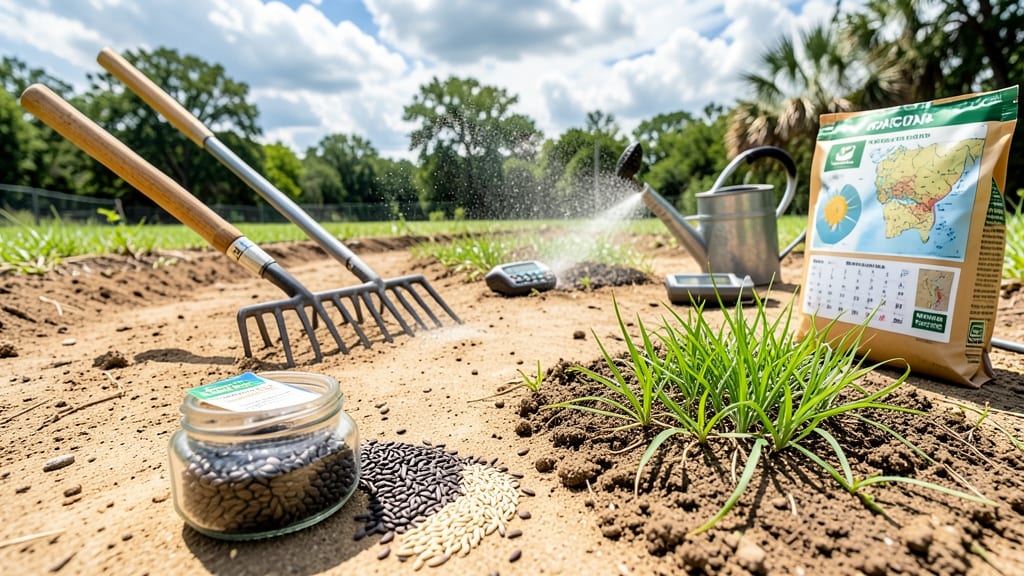
The best time to plant grass seed in Florida is during late summer to early fall or early spring, when temperatures stay between 65°F and 75°F and humidity won’t smother your new lawn.
Florida’s scorching summers and unpredictable rain can turn your grass-seeding dreams into a costly failure—but timing is the secret weapon to lush, weed-free lawns. Planting at the wrong time means battling heat stress, poor germination, and invasive weeds.
In Florida’s 8a-11 zones, the ideal window is September through November, when soil stays cool enough for seeds to sprout without wilting. Early spring (March–April) is your second chance, but act fast—once temperatures climb past 80°F, your grass seed will bake in the ground.
Here’s how to nail the timing, prep your soil like a pro, and choose the right grass type for your yard—so you skip the guesswork and end up with a thick, green lawn that lasts.
Florida’s ideal grass-seeding calendar: 6-Week window to beat summer heat
Timing your grass seed planting in Florida isn’t just about avoiding summer’s brutal heat—it’s about leveraging the state’s 6-week fall window when temperatures and rainfall align perfectly for germination.
The ideal window runs from mid-September through November, when daytime temps hover between 65–75°F and humidity drops just enough to prevent fungal diseases. This is when Florida’s natural rainfall patterns (2–4 inches weekly) reduce your watering workload while keeping soil consistently moist.
Miss this window, and you risk planting during summer’s oppressive heat (above 85°F), which stresses seeds, or winter’s unpredictable frosts (especially in North Florida), which can kill tender new shoots. Even Florida’s microclimates—from Jacksonville’s cooler coastal breezes to Miami’s tropical warmth—shift the perfect timing by 2–4 weeks.
Let’s break down the exact calendar and regional adjustments to ensure your lawn thrives.
🌱 Why this window works: Fall’s cooler temps slow weed competition, while longer daylight hours fuel grass growth. The 6-week window also lets seeds establish roots before winter’s lighter rainfall and potential cold snaps. Skipping this means battling crabgrass, nutsedge, or even fungal infections like brown patch.
For North Florida, the 6-week window starts later (late September) to avoid the region’s first frost, which can hit as early as December 1 in inland areas. Aim for Bahia grass or tall fescue, which tolerate cooler temps.
In Central Florida, where humidity lingers, prioritize St. Augustine grass and plant by mid-November to give roots time to anchor before winter’s lighter rains.
South Florida’s extended window (August–October) lets you plant earlier, but watch for temperatures above 80°F, which can scorch seeds. Use shade cloth or early morning planting to protect seedlings.
The Panhandle demands the earliest start (early September) due to its cooler microclimate, making Zoysia grass a top choice for its drought tolerance.
Pro tip: Check Florida’s Florida Automated Weather Network (FAWN) for real-time soil temps—aim for 65°F+ at 4-inch depth. If temps dip below 60°F, delay planting until conditions improve. This simple check can save you from poor germination rates and costly re-seeding.
Don’t overlook rainfall patterns. North Florida’s drier fall may require supplemental watering (1/2 inch weekly), while South Florida’s heavy rains can leach nutrients. Adjust your irrigation schedule to match local forecasts—overwatering causes root rot, while underwatering invites weed competition. Balance is key.
If you miss fall, your second-best window is early spring (March–April), when temps rise to 68–75°F again. However, spring planting risks crabgrass invasion, so apply pre-emergent herbicide 2 weeks before seeding. Avoid planting after May 15, as summer’s heat will stress new shoots within days.
Remember: Florida’s microclimates can shift your ideal window by weeks. Coastal areas stay warmer longer, while inland zones cool faster. Use a soil thermometer and local weather alerts to fine-tune your schedule.
How to prepare your Florida lawn for seed planting: soil, sun, and weed control
Before you even think about scattering grass seed, your Florida lawn needs the perfect foundation. The right soil conditions, sunlight exposure, and weed control make the difference between a patchy lawn and a lush carpet of green.
Let’s break down the essential steps to set your grass up for success in Florida’s unique climate.
Florida’s soil pH should sit between 6.0 and 7.0 for most grass varieties like Bahia, St. Augustine, and Zoysia. If your soil is too acidic or alkaline, your seeds won’t germinate properly.
Testing your soil with a simple pH test kit (available at garden centers) is the first step. Amend the soil with lime (to raise pH) or sulfur (to lower pH) based on the results.
✅ Pros of Early Fall Planting
- Cooler temps (65–75°F) for germination
- Less weed competition than spring
- 6-week growing window before winter slows growth
❌ Cons of Late Spring Planting
- Summer heat stress (above 85°F kills seeds)
- Weed takeover risk (crabgrass thrives in heat)
- Drought conditions reduce germination rates
Next, tackle soil compaction, a common issue in Florida lawns. Use a core aerator to pull out small soil plugs, creating space for roots to grow. Rent one from a local hardware store or hire a lawn service if your yard is large.
Aerate when the soil is slightly moist—never when it’s dry or waterlogged. This step alone can double your grass seed’s success rate by improving water absorption and root penetration.
Weeds are your grass seed’s biggest enemy, and Florida’s humid climate makes them grow like weeds—literally. Apply a pre-emergent herbicide 4–6 weeks before planting to stop weeds like nutsedge and crabgrass from sprouting.
For existing weeds, spot-treat with a post-emergent herbicide like glyphosate, but avoid it within 2 weeks of seeding. Always follow label instructions to protect your new grass.
Now, let’s talk sunlight. Florida grasses fall into two categories: full-sun lovers (like Bahia and Zoysia) and shade-tolerant varieties (like St. Augustine). Measure your lawn’s sunlight exposure—most Florida yards get 6+ hours of direct sun.
If your lawn is shady, choose a shade-tolerant variety and thin out dense tree branches to improve light penetration. Even partial shade can stunt growth, so prioritize sun exposure where possible.
Finally, clear all debris, rocks, and thatch from your lawn. Rake the surface to create a smooth seedbed, and consider adding a thin layer of compost or peat moss to improve soil structure. Water lightly before seeding to settle the soil—this helps seeds make better contact with the earth.
With these steps complete, you’re ready to sow your grass seed with confidence, knowing your lawn has the perfect environment to thrive.