
Plants
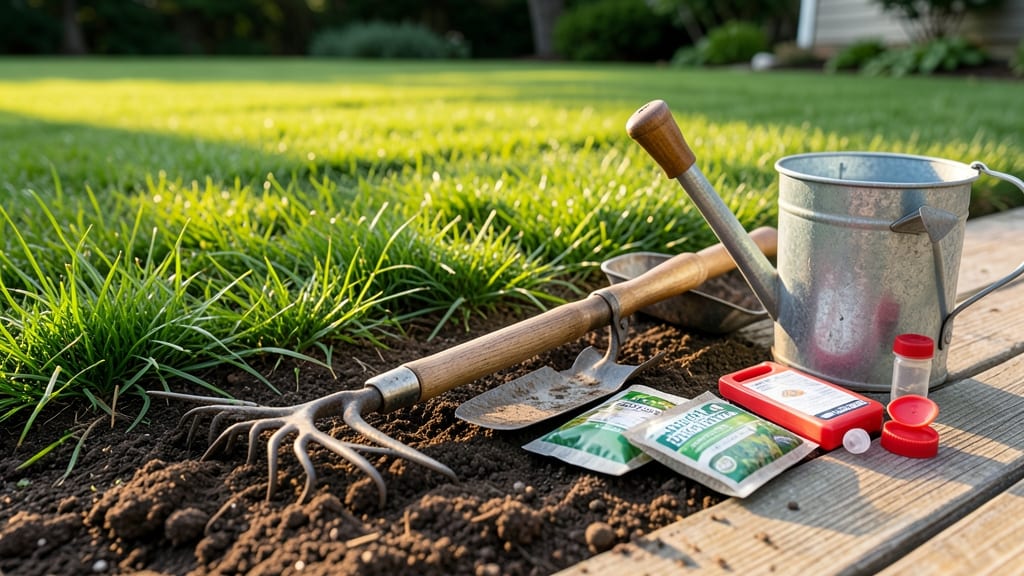
The best time to plant grass seed in Ohio is between early spring and late fall, when soil temperatures hover between 50°F and 65°F for fast germination.
Ohio’s unpredictable spring and fall weather can turn a perfect lawn into a frustrating gamble—but timing your grass seed planting just right ensures thick, lush growth without the guesswork.
For fast results, focus on late April through early May or late August to early September. These windows align with Ohio’s 6a climate zone, avoiding the heat stress of summer or the frost risk of winter.
Below, I’ll walk you through soil prep, watering schedules, and the one mistake that kills more lawns than anything else—so you can skip the trial-and-error and get it right the first time.
Ohio grass seed planting calendar: ideal months by soil temperature & frost risk
Ohio’s USDA Zone 6a climate creates unique challenges for grass seed germination, where soil temperature and frost risk can make or break your lawn’s success. Unlike warmer climates, Ohio’s cool-season grasses thrive best when planted during two ideal windows: early spring and early fall.
These periods offer the perfect balance of soil warmth (50-65°F) and moisture availability needed for seed to sprout consistently.
For most of Ohio, the last average frost date falls around April 15 in the north and March 25 in the south. Meanwhile, the first frost typically arrives by October 15 in northern regions and October 25 in southern areas.
Planting outside these windows risks seed washout (from spring rains) or dormancy (from fall’s chill). Let’s break down the exact planting calendar by Ohio’s microclimates to maximize your lawn’s potential.
| Planting Window | Soil Temp (°F) | Frost Risk | Best Months (North Ohio) | Best Months (South Ohio) |
|---|---|---|---|---|
| Early Spring | 50-60°F | Low (post-frost) | March 15-April 15 | March 1-April 10 |
| Late Spring | 60-65°F | None (safe) | April 16-May 15 | April 11-May 10 |
| Early Fall | 55-65°F | Moderate (pre-frost) | September 15-October 15 | September 1-October 20 |
| Late Fall | 45-55°F | High (frost risk) | October 16-November 15 | October 21-November 10 |
*Soil temp at 4" depth is critical for germination. Use a soil thermometer for accuracy.
Spring planting in Ohio typically kicks off in mid-March for southern regions and late March for northern areas, once daytime temperatures consistently stay above 50°F. The ideal soil temperature for germination is between 50-65°F, so avoid planting when nights still dip below freezing.
For example, if you’re in Columbus (Zone 6a), aim for March 15-April 15—this window gives seeds time to establish before summer heat stresses them.
Fall planting, however, offers Ohio gardeners the best success rates because cooler air temperatures reduce weed competition and disease pressure while maintaining soil moisture. The sweet spot is September 15-October 15 in northern Ohio and September 1-October 20 in southern regions.
Planting too late (after October 15) risks frost damage before roots establish, while seeding too early (before September 1) may trigger summer dormancy.
Ohio’s microclimates play a huge role in timing. For instance, Toledo and Cleveland (northern Ohio) have shorter growing seasons and should plant 2-3 weeks later than Cincinnati or Dayton (southern Ohio).
Use your local cooperative extension office’s frost date maps to fine-tune your schedule—these resources account for urban heat islands and lake-effect weather that can shift frost dates by 1-2 weeks.
One critical mistake Ohio gardeners make is ignoring soil temperature in favor of calendar dates. A soil thermometer ($10 at garden centers) is your best tool—plant only when the 4-inch soil depth
5 Critical factors that determine success (beyond just timing)
Timing your grass seed planting in Ohio is just the first step—five critical factors actually determine whether your new lawn thrives or struggles. Ohio’s clay-heavy soil, humid summers, and rapid temperature swings create unique challenges that go beyond simply picking the right month.
Let’s break down what truly makes or breaks your grass seed’s success.
First, sunlight exposure is non-negotiable. Most Ohio lawn grasses need 6+ hours of direct sun daily, but shade patterns shift dramatically between spring and fall. For example, Kentucky bluegrass (a popular cool-season choice) wilt under less than 4 hours of sun, while tall fescue tolerates partial shade better.
If your yard has mature trees or north-facing slopes, adjust your seed choice or expect slower growth.
Next, moisture levels are the #1 killer of new grass. Ohio’s spring rains can drown seeds if they’re planted too deep, while summer droughts (especially in Southern Ohio) can bake them before germination.
The golden rule: keep soil consistently moist but not soggy for the first 2-3 weeks. A soaker hose or drip irrigation works best—avoid overhead sprinklers that wash seeds away.
Here’s where most gardeners trip up: seed type matters more than timing. Ohio’s USDA Zone 6a favors cool-season grasses like tall fescue, Kentucky bluegrass, and fine fescue, which germinate best at 50-65°F soil temps.
Warm-season options like Bermuda grass (rare in Ohio) need 75°F+ soil and struggle in our climate. Mixing seed types (e.g., tall fescue + Kentucky bluegrass) is a smart move for shade or high-traffic areas.
- 🌞 Sunlight Exposure: 6+ hours/day for most grasses; tall fescue tolerates partial shade better than Kentucky bluegrass.
- 💧 Moisture Levels: Consistent dampness (not flooding) for 2-3 weeks; avoid overhead watering that washes seeds away.
- 🌡️ Soil Temperature: 50-65°F for cool-season seeds; warm-season grasses (like Bermuda) fail in Ohio’s climate.
- 🌱 Soil pH (6.0-7.0): Test before planting—Ohio’s clay soil often needs lime (to raise pH) or sulfur (to lower pH).
- 🌿 Weed Competition: Pre-emergent herbicides (applied after seeding) or hand-pulling weeds before they steal nutrients.
Don’t overlook soil pH, which Ohio’s clay-heavy soil often skews too acidic (below 6.0). Test your soil first—lime (to raise pH) or sulfur (to lower pH) can make the difference between thin grass and a luxuriant lawn.
Aim for 6.0-7.0 pH for optimal nutrient uptake. Pro tip: Avoid fresh manure near new seeds—it can burn tender sprouts and spike soil temps too quickly.
Finally, weed competition can derail even the best-planned seeding. Ohio’s humid summers fuel crabgrass and chickweed growth, which outcompete grass for water and sunlight. Pre-emergent herbicides (like pendimethalin) work well after seeds germinate, but hand-pull weeds before planting—they’re easier to remove when soil is moist.
For stubborn weeds, a thin layer of mulch (like straw) after seeding helps suppress them without harming grass.
Master these five factors, and your Ohio lawn will outperform neighbors who only focus on timing. Start with soil prep, then monitor moisture and weeds closely—your grass will reward you with dense, green growth that lasts all season. 🌿