
Plants
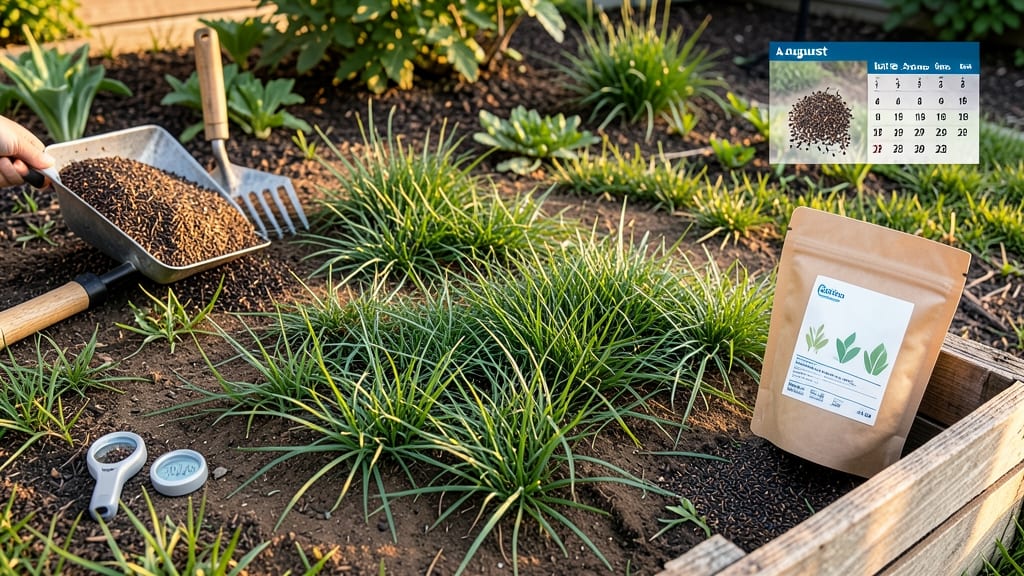
Planting grass seed in Minnesota too late risks winter kill and weak root growth, so timing is everything—especially when frost can arrive as early as mid-October.
Minnesota’s unpredictable frost dates can turn a well-timed grass seeding project into a costly gamble—knowing the exact cutoff is the difference between a lush lawn and wasted seed. 🌱
In USDA Zones 3-5, the ideal window stretches from early spring to mid-fall, but pushing past late August in most regions means battling shorter daylight and dropping soil temps. Even a few weeks too late can leave your lawn vulnerable to frost heave or poor establishment.
Below, I’ll break down the zone-by-zone deadlines, how to spot a risky late planting, and proven tricks to extend your window—like cold-hardy seed mixes and protective mulching.
Minnesota’s grass seed planting deadlines by hardiness Zone (2024 frost date calculator)
Timing is everything when planting grass seed in Minnesota, where frost dates can shift by weeks. Missing the window means weak roots, winter kill, or wasted seed—especially in USDA Zones 3-5.
The last safe planting date depends on your zone, soil temperature, and whether you're seeding in spring or fall. Let’s break down the exact deadlines to avoid costly mistakes.
Minnesota’s frost-free season typically spans 120-165 days, but late frosts in May or early frosts in September can derail your lawn. For spring plantings, aim to seed 4-6 weeks before the last frost—usually mid-April to early May in most zones.
For fall plantings, the cutoff is 6-8 weeks before the first frost, often mid-August to early September. But these dates vary by zone, soil warmth, and precipitation.
🌱
In Zone 3, where frosts linger longer, your last spring planting window is tight—May 1-15—with a 20% frost risk after May 15.
For fall plantings, aim for August 15-30 to give roots time to establish before winter. Zone 4 gardeners have slightly more flexibility, with April 20-May 5 for spring and August 20-September 5 for fall, but soil must stay above 50°F.
If you’re in Zone 5, you can push the envelope slightly later: April 10-25 for spring and September 1-15 for fall. However, late-September plantings risk frost heave—when soil freezes and thaws, uprooting tender roots. Always check the Minnesota State Climatology Office for 10-day forecasts before seeding.
💧
Beyond frost dates, soil temperature and precipitation are critical. Grass seed needs consistent moisture to germinate, but overwatering in cold soil can drown seeds. Use a soil thermometer to confirm temps are stable above 45°F—cold, wet soil slows germination by 50%.
In Zone 3, where soils stay cooler longer, consider black plastic mulch to warm the ground by 10-15°F.
Another risk factor is late-spring rains, which can wash away newly planted seed. If you’re seeding in May, use starter fertilizer with hydro-mulch to lock seeds in place.
For fall plantings, avoid seeding if rainfall exceeds 1 inch in 48 hours—this can cause soil crusting, blocking oxygen and stunting growth.
🌡️
Pro tip: Use the Minnesota Department of Agriculture’s Frost Calculator (available online) to input your exact location for hyper-local frost predictions. Even a 5-mile difference can shift your planting deadline by 3-5 days.
For example, Duluth (Zone 3) may have frost until May 20, while Rochester (Zone 5) could be frost-free by May 10.
If you’re on the fence about timing, opt for cold-hardy grass varieties like Tall Fescue or Fine Fescue, which tolerate 35°F soil temps and germinate faster than Kentucky Blue
How to extend your grass seed planting window in Minnesota (without risking failure)
Minnesota’s unpredictable frost dates often leave gardeners wondering: Can I still plant grass seed in late spring or early fall? The answer is yes—but with the right strategies. By choosing cold-hardy varieties and using protective techniques, you can safely push your planting window by 2-4 weeks without risking failure.
This is especially useful in USDA Zones 3-5, where frost can strike unexpectedly.
Timing is critical because grass seed needs consistent soil temperatures between 50°F and 65°F for optimal germination. If you plant too late, seedlings may not establish strong roots before winter, leading to weak growth or total failure.
The key is balancing seedling resilience with soil conditions—and knowing when to pull back before it’s too late.
- 🌱 Use cold-hardy varieties like Tall fescue or Fine fescue, which tolerate 40°F soil temps—plant up to 2 weeks before the first frost.
- ☀️ Warm soil faster with black plastic mulch or a soil warming blanket—raises temps by 5-10°F in chilly springs.
- 🌡️ Check soil temps with a soil thermometer—aim for 50°F+ for 7+ days before planting.
- 🛡️ Protect seedlings with straw mulch (2-3 inches) or frost cloth to shield from late frosts.
- 🌿 Select microclimates—south-facing slopes or urban heat islands stay warmer, extending the window by 1-2 weeks.
One of the most effective ways to extend your planting window is by selecting cold-tolerant grass seed varieties. For example, Tall fescue and Fine fescue can handle soil temperatures as low as 40°F, making them ideal for late spring or early fall plantings.
These varieties are also drought-resistant, which is a bonus if Minnesota’s unpredictable weather throws a curveball.
If your soil is still too cold for planting, consider using a soil warming technique. Laying down black plastic mulch or a soil warming blanket can raise the temperature by 5-10°F, creating a more favorable environment for germination.
Just remember to remove the mulch once the grass is established to avoid smothering the young seedlings.
Don’t forget to monitor soil temperature closely. A soil thermometer is your best friend—aim for 50°F or higher for at least 7 consecutive days before planting. This ensures your seeds won’t sit dormant in cold soil, waiting for conditions to improve.
If temperatures drop unexpectedly, cover the area with straw mulch or frost cloth to protect tender seedlings.
Finally, leverage microclimates in your yard. South-facing slopes, paved areas, or even your driveway can create warmer pockets where grass seed might thrive 1-2 weeks longer than in shaded or open areas.
By strategically placing your seed, you can maximize your planting window and give your lawn the best chance of success.