
Companion Plants
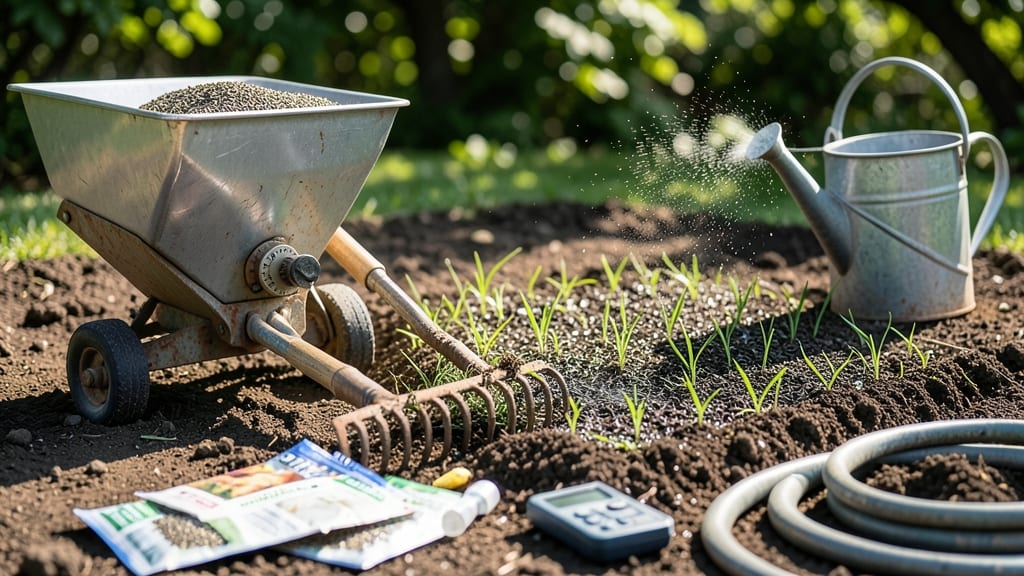
You can plant grass seed in spring when soil temperatures hit at least 50°F—not just when the calendar says it’s time, but when the ground is actually ready for fast germination.
Spring is the perfect time to transform your lawn, but planting grass seed too early or too late can leave you with patchy results—or worse, wasted money. The secret to lush, fast germination lies in understanding your hardiness zone and soil temperature, not just the calendar date.
In USDA Zone 6a, like most of the Midwest, that means waiting until mid-April or early May, when the ground warms enough to support root growth. Planting too soon risks frost damage or slow starts, while waiting too long may mean summer heat stress before the grass takes hold.
Below, I’ll break down the exact soil temps to watch for, how to prep your yard for success, and the fastest-growing grass varieties for spring planting—so you can avoid common mistakes and get that green carpet growing in record time.
Ideal soil temperatures for spring grass seed germination by hardiness zone
Spring lawn transformations start with one critical factor: soil temperature. Unlike calendar dates, which vary wildly by region, soil temps between 40°F and 75°F determine whether your grass seed will sprout quickly or languish.
Cool-season grasses like Kentucky Bluegrass thrive at 50°F–65°F, while warm-season varieties such as Bermuda need 70°F–80°F to germinate. Planting too early risks frost damage, while waiting too long lets weeds take over.
Your USDA hardiness zone dictates the perfect window. Northern regions (Zones 3–5) should plant when daytime highs hit 55°F–60°F, typically mid-April to early May. Southern zones (6–9) can start as early as February, but avoid planting if nighttime temps dip below 50°F.
Always check soil temps at 2–4 inches deep—surface temps can be misleading.
A soil thermometer is your best friend. Stick it in the ground for 30 minutes to get an accurate reading. If temps are below 50°F, wait—cool-season grasses may germinate but grow slowly, and warm-season types won’t sprout at all.
Pro tip: Morning soil temps are usually 5–10°F cooler than afternoon readings, so aim for 60°F+ in the AM for ideal conditions.
| USDA Zone | Cool-Season Grass Ideal Temp | Warm-Season Grass Ideal Temp | Best Planting Window | Risk of Early Planting |
|---|---|---|---|---|
| 3–5 (Northern U.S.) | 50°F–65°F | Not recommended | Mid-April to early May | Frost damage, slow growth |
| 6–7 (Mid-Atlantic) | 55°F–70°F | 70°F–80°F | Late March to early June | Weed competition |
| 8–9 (Southeast) | 60°F–75°F | 75°F–85°F | February to early April | Heat stress, poor germination |
| 10–11 (Southwest) | Not recommended | 80°F–90°F | Late April to early June | Drought stress |
In Zones 3–5, cool-season grasses like Tall Fescue and Fine Fescue are your best bet. These varieties germinate in 7–21 days when soil temps hit 55°F+.
If you plant in March but soil temps are still below 50°F, cover the seed with lightweight row covers to protect it until conditions improve. Northern climates also benefit from overseeding in fall (late August–September) for a two-season green lawn.
For Zones 6–9, the choice splits between cool-season and warm-season grasses. If you’re planting Kentucky Bluegrass or Perennial Ryegrass, aim for March–April when soil temps are 50°F–65°F.
But if you’re going for Bermuda or Zoysia, wait until late spring (May–June) when soil temps exceed 70°F. Southern lawns often see faster germination in warm-season grasses because they thrive in summer heat.
One common mistake? Planting based on air temperature instead of soil temperature. A 70°F day might feel warm, but if the soil is still 45°F, your seed won’t germinate.
Use a soil thermometer for 3–5 days to track trends—consistent temps above 50°F for cool-season grasses or 70°F for warm-season types signal it’s time to plant. Pro move: Test soil temps at different depths—shallow soil warms faster than deeper layers.
If you’re in a transition zone (Zone 7–8), you can try both cool-season and warm-season grasses, but timing is everything. Plant cool-season types in early spring (March) and warm-season types in late spring (May–June).
5 Signs your soil is ready to plant grass seed (and when to wait)
Timing is everything when planting grass seed in spring. Waiting for the right conditions—like soil temperature and moisture levels—can mean the difference between a thick, green lawn and wasted seed.
Even if your calendar says "spring," your soil might not be ready yet. Let’s break down the key indicators to watch for before you start.
One of the biggest mistakes I see is planting after a heavy rain or when the ground is still cold. Both can smother seeds or delay germination. Instead, focus on these five clear signs that your soil is primed for planting.
These cues will help you avoid common pitfalls like frost damage or uneven growth.
- Soil temperature reaches 50°F (10°C) or higher for 5+ consecutive days. Use a soil thermometer to check—this is critical for germination.
- Weeds are actively sprouting in your lawn. Their growth signals warmer soil and better conditions for grass seed.
- The ground feels moist but not soggy 2–3 inches deep. Stick your finger in—if it’s damp, it’s ready. If it’s dry, water deeply first.
- You’ve confirmed the last frost date for your zone and planted at least 4–6 weeks beforehand. Check your local USDA hardiness zone to avoid frost damage.
- Your lawn area has full sun exposure (6+ hours/day). Shady spots may need shade-tolerant grass seed or supplemental light.
Don’t rush to plant just because the weather feels spring-like.
For example, in USDA Zone 5, waiting until mid-April (after the last frost) is safer than planting in early March, even if the air is warm. Cool-season grasses like Kentucky Bluegrass thrive in 50–65°F soil, while warm-season grasses need 65–75°F—so match your seed type to your climate.
Another red flag? If your soil is too compacted or clay-heavy, seeds may struggle to sprout. Loosen the top 2–3 inches with a rake or aerator before planting. This step is often overlooked but makes a huge difference in seed-to-soil contact and moisture retention.
Once you’ve checked these signs, act fast! Grass seed germinates quickly—some varieties sprout in as little as 5–10 days—so don’t wait too long after confirming readiness. Keep the soil consistently moist (not waterlogged) and protect newly planted areas from foot traffic for at least 2–3 weeks.
If you’re still unsure, grab a soil thermometer and test daily for a few days. Patience now means a thicker, greener lawn later—no patchy spots or regrets. Happy planting! 🌱