
Plants
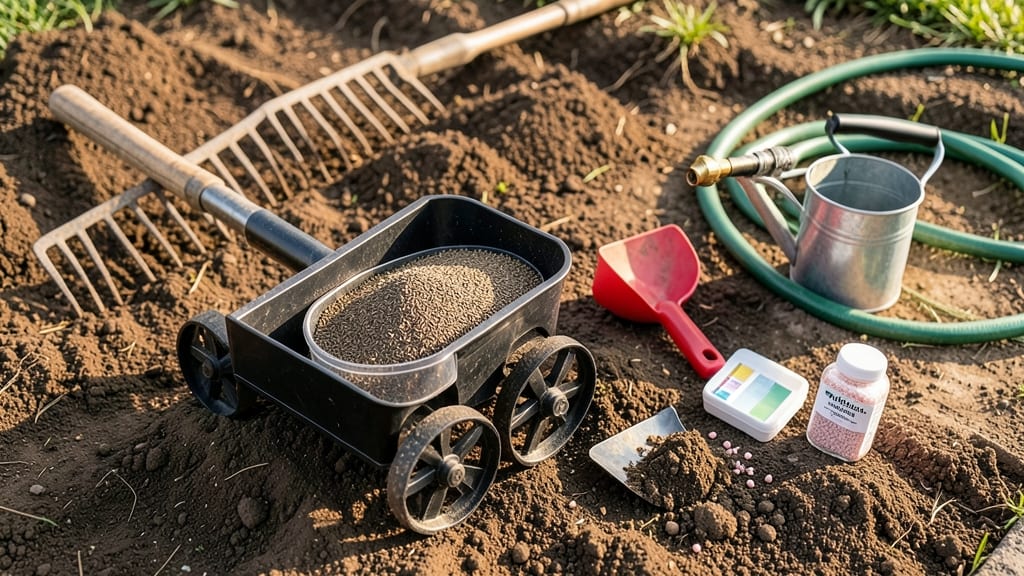
To plant grass seed in spring at the perfect time means the difference between a thick, vibrant lawn and a sparse, struggling one — especially when you’re balancing cool-season and warm-season varieties.
Picture this: You’ve prepped the soil, cleared the weeds, and bought the right seed, only to watch it wither under a late frost or fail to take hold in scorching summer heat.
The key is knowing exactly when to plant for your climate, because timing isn’t just about the calendar—it’s about soil temperature, frost dates, and even your grass type.
In USDA Zone 6, where spring arrives in fits and starts, cool-season grasses like Kentucky bluegrass thrive when planted 4-6 weeks before your last frost (usually mid-March to early April).
Warm-season grasses, though, need to wait until the soil warms to 65°F or higher, which often means late spring or early summer. Get this wrong, and you’re fighting nature instead of working with it.
Below, I’ll break down the ideal planting windows for your region, soil prep secrets to boost germination, and how to avoid the three biggest mistakes that kill grass seed before it even sprouts.
Optimal spring planting windows for cool-season vs. warm-season grasses
Spring is the perfect time to plant grass seed, but the ideal timing depends on whether you're growing cool-season or warm-season grasses. Cool-season varieties like tall fescue and Kentucky bluegrass thrive in cooler temperatures, while warm-season grasses like Bermuda and Zoysia need warmer soil to establish.
Planting too early or late can lead to poor germination or weak growth.
For cool-season grasses, aim to plant 4-6 weeks before your last frost date. This gives seeds time to germinate before summer heat arrives. In most of the Northern U.S., this window falls between mid-March and early May.
Meanwhile, warm-season grasses should wait until the soil warms to at least 65°F (18°C), typically late April to June in the Southern U.S..
Regional differences matter too. In USDA Zone 5 or colder, cool-season grasses can be planted as early as late February, while in Zone 8 or warmer, warm-season grasses may not be planted until May or June.
Always check your local last frost date and soil temperature to avoid common mistakes like planting too early when frost can still occur.
Here’s a quick comparison to help you decide when to plant based on your grass type and climate:
| Grass Type | Ideal Planting Window | Soil Temp Threshold | Regional Timing (Northern U.S.) | Regional Timing (Southern U.S.) |
|---|---|---|---|---|
| Cool-Season (Tall Fescue, Kentucky Bluegrass) | 4-6 weeks before last frost | 40-55°F (4-13°C) | Mid-March to early May | Late February to April |
| Warm-Season (Bermuda, Zoysia) | After soil warms to 65°F (18°C) | 65°F+ (18°C+) | Late April to June | Mid-April to July |
If you’re in a transition zone (e.g., USDA Zone 6-7), you might overlap planting times. For example, tall fescue can be planted in early spring, while Zoysia waits until late spring.
Always test your soil temperature with a soil thermometer to confirm readiness—this small step can save you from wasted seed and effort.
Another key factor is moisture levels. Cool-season grasses need consistent moisture during germination, so plant when you can commit to daily watering for 2-3 weeks.
Warm-season grasses, however, prefer warmer, drier conditions once established. Overwatering in hot weather can stress them out, so adjust your watering schedule as temperatures rise.
For cool-season grasses, focus on planting in early spring when soil is workable but not frozen. Avoid planting in late fall, as seeds may not have enough time to establish before winter dormancy.
Warm-season grasses, on the other hand, should never be planted in fall—they’ll struggle to survive cold temperatures and may not recover in spring.
Pro tip: If you’re unsure about your local climate, check with your Cooperative Extension Service for region-specific advice. They often provide free soil tests and planting guides tailored to your area. This ensures you’re planting at the optimal time for your specific grass type and location.
Remember, the first 3 weeks after planting are critical for germination. Keep the soil moist but not soggy, and avoid walking on the seedbed to prevent seed displacement. With the right timing and care, you’ll be rewarded with a thick, vibrant lawn by summer.
How to prepare your lawn for spring grass seed planting
Spring is the perfect time to refresh your lawn, but proper preparation is key to ensuring your grass seed takes root and thrives. Before you even think about planting, focus on creating an ideal seedbed that promotes germination and growth.
Skipping these steps often leads to poor establishment, weeds taking over, or uneven coverage.
Start by testing your soil pH and adjusting it if needed—most grasses prefer a slightly acidic to neutral range between 6.0 and 7.0. Use a simple soil test kit available at garden centers, and amend with lime to raise pH or sulfur to lower it.
This small step can dramatically improve seedling success and long-term lawn health.
Next, tackle weed control before planting. Weeds compete with grass seedlings for nutrients and water, so remove them manually or use a pre-emergent herbicide labeled for new lawns.
Avoid post-emergent herbicides, as they can harm your new grass. For stubborn weeds, consider a light tilling to expose their roots and make them easier to pull.
Once weeds are under control, it’s time to till the soil to a depth of 2–3 inches. This loosens compacted soil and helps seeds make contact with moisture. For areas with heavy thatch, consider dethatching first to improve water and nutrient penetration.
After tilling, rake the soil smooth to create a level surface for even seed distribution.
⚠️ Common Mistake: Planting Too Early or Too Late
Cool-season grasses (like Kentucky bluegrass) need to be planted 4–6 weeks before your last frost date—typically late winter to early spring. Planting too early risks frost damage, while waiting too long can stress seedlings as summer heat arrives. Warm-season grasses (like Bermuda) should go in after soil temperatures hit 65°F+, usually late spring to early summer.
After tilling, spread a starter fertilizer with a balanced NPK ratio (e.g., 10-10-10) to provide immediate nutrients for your new grass. This helps seedlings establish strong roots quickly. Follow the package instructions for application rates, and avoid over-fertilizing, which can burn tender new growth.
Finally, lightly rake the soil again to create a fine, even texture—this ensures seeds make good contact with the soil and don’t dry out. Cover seeds with a thin layer of soil (¼ inch max) and gently water to settle them in.
Keep the soil consistently moist (not soggy) for the first 2–3 weeks to encourage germination. A light mulch of straw can help retain moisture and protect seeds from drying winds.
With these steps, your lawn will be ready for a vibrant, healthy start. Remember, patience is key—avoid walking on new seedlings until they’re at least 3 inches tall to prevent damage. Soon, you’ll be enjoying a lush, green carpet underfoot! 🌱