
Flowers
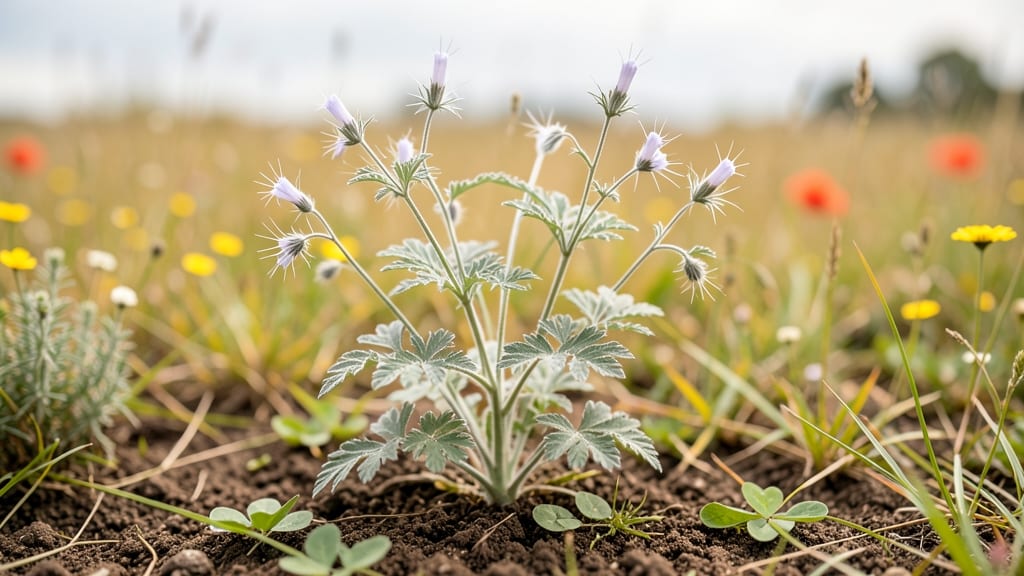
Growing Virginia stickseed means waking up to wildflower meadows in your own backyard—no fancy prep required. 🌿 This native Southeast beauty thrives in poor soil, blooms after cold snaps, and spreads effortlessly, turning bare spots into cheerful yellow-and-white displays by late spring.
I’ve watched mine transform a rocky hillside into a pollinator magnet with almost no effort.
The secret lies in its cold-activated blooms: seeds germinate best after winter chilling, and plants reward patience with 90-day showstops that hummingbirds adore. You’ll need full sun, well-draining soil, and minimal watering—this drought-tolerant wildflower laughs at neglect.
Once established, it self-seeds like crazy, creating natural drifts that outperform annuals.
Start with seeds in fall or early spring, scatter lightly, and forget about them until spring. Prune back spent blooms in summer to encourage a second flush, and watch your garden fill with airy, daisy-like blooms that last into early summer.
The only pests you’ll deal with are butterflies—and even they’re welcome guests.
Perfect for native plant gardens, pollinator-friendly landscapes, or anywhere you want low-maintenance color without the upkeep. Whether you’re restoring a wild meadow or just filling a sunny corner, Virginia stickseed delivers effortless beauty with zero fuss. Let’s get those seeds in the ground!
📚 In This Guide
- What you need
- Instructions
- Tips and common mistakes
- Wrapping up and next steps
What you need
- ● Seeds: 10–20 Virginia Stickseed seeds (organic, untreated preferred).
- ● Growing Containers: 2–3 small pots (4–6 inches deep) for seedlings, or
- ● A seed tray with drainage holes (if starting indoors).
- ● Growing Medium: 1 bag (1–2 cubic feet) of well-draining potting mix (or a 50/50 blend of potting soil and perlite/sand for extra aeration).
- ○ Optional: 1 cup of compost or worm castings for nutrient boost.
- ● Outdoor Space: Full sun location (6+ hours of direct sunlight daily).
- ● Well-draining garden bed or large container (12+ inches deep) for mature plants.
- ● Planting Tools: 1 small hand trowel or transplanting spade.
- ○ 1 pair of gardening gloves (optional but recommended!).
- ● Watering Supplies: Watering can or hose with a gentle spray nozzle.
- ○ Optional: Drip irrigation kit for consistent moisture.
- ● Cold Treatment (Critical!): Refrigerator or cold frame (for seed stratification, if starting indoors).
- ● Paper towel or damp cloth (to wrap seeds during stratification).
- ● Miscellaneous: Plant labels (to track varieties).
- ● Mulch (straw or shredded leaves) for weed suppression.
Step-by-Step instructions for cultivating Virginia stickseed flowers
Here’s how to coax these striking, cold-hardy blooms from seed to full maturity in just three months.
🌱 Step 1: Stratify Seeds for Cold Activation
Virginia stickseed (Lamium maculatum) seeds require a cold stratification period to break dormancy. Place seeds in a paper towel or moistened peat moss, then seal them in a ziplock bag. Store the bag in your refrigerator for 4-6 weeks—this mimics winter’s chill and triggers germination.
Check weekly for moisture; if the towel or moss feels dry, mist lightly with water. The goal is to keep it damp but not soggy. Once the seeds show signs of swelling or tiny sprouts, they’re ready for planting. Real talk: Skipping stratification means seeds may never sprout, so don’t rush this step.
☀️ Step 2: Plant Stratified Seeds in Well-Draining Soil
Fill 4-inch pots with a mix of 50% potting soil and 50% perlite—this ensures excellent drainage, which Virginia stickseed loves. Plant seeds ¼ inch deep, spacing them 1 inch apart in each pot. Gently press the soil around them to secure without compacting.
Water lightly from the bottom (place pots in a tray of water for 10 minutes) to avoid displacing seeds. Place the pots in a bright, indirect light spot—like a north-facing windowsill—until germination. You’ll see first true leaves in 2-3 weeks. If the soil dries out completely before then, germination slows or stops.
💧 Step 3: Transition to Outdoor Conditions Gradually
Once seedlings have 3-4 sets of leaves (about 4-6 weeks after planting), they’re ready for outdoor hardening. Move pots to a shaded, sheltered spot for 2-3 hours the first day, then increase exposure by 1 hour daily over 7-10 days. This slow adjustment prevents shock and encourages sturdy growth.
After a week of full outdoor exposure, transplant into the garden or larger containers. Choose a site with partial shade (morning sun, afternoon shade) and well-draining soil. Space plants 12-18 inches apart—they’ll spread over time, but crowding leads to leggy stems and fewer blooms.
✂️ Step 4: Maintain Moisture and Support Growth
Water deeply once a week, aiming for 1 inch of water total. Stickseed thrives in moist but not soggy conditions—check soil 1 inch below the surface before watering. Mulch with 2 inches of shredded bark to retain moisture and suppress weeds. Fertilize lightly every 4-6 weeks with a balanced 10-10-10 formula during the growing season.
Deadhead spent blooms to encourage continuous flowering from late spring through fall. Prune leggy stems back by ⅓ in early summer to promote bushier growth. Here’s the thing—stickseed self-seeds readily, so you’ll likely see volunteers popping up next season without extra effort.
Tips & tricks for cultivating Virginia stickseed flowers
Cold-activated blooms require patience, but these insights will help you avoid common pitfalls and maximize success.
Cold Stratification Precision: In Step 1, place your sealed bag of seeds on a shelf in the refrigerator's crisper drawer—this maintains the most consistent 34-40°F temperature range needed for successful stratification. I learned this the hard way after ruining three batches with inconsistent fridge temps. Check moisture weekly by lifting the bag and feeling the dampness through the plastic; condensation inside means it's too wet. If you're short on time, you can extend the stratification to 8 weeks without harming the seeds, but don't rush beyond the 4-6 week window.
Soil Mix Strategy: For Step 2, consider adding a handful of coarse sand to your 50/50 potting soil and perlite mix—this further improves drainage and mimics the well-draining conditions Virginia stickseed thrives in. When planting, use a pencil to make small holes for seeds rather than pressing them directly into soil, which can compact around them. The 10-minute bottom-watering technique is perfect for preventing seed displacement, but watch for water pooling in the tray—empty excess after 10 minutes to avoid waterlogged soil.
Hardening Transition: The gradual outdoor exposure in Step 3 is critical, but don't be afraid to adjust the timeline based on weather. If temperatures drop unexpectedly, move pots back inside temporarily—Virginia stickseed handles cold well, but seedlings are more delicate. After the full outdoor week, transplant on a cloudy day or in late afternoon to reduce stress on newly moved plants. The 12-18 inch spacing recommendation might seem generous, but it prevents future crowding that leads to leggy growth and fewer blooms.
Maintenance Insights: When watering in Step 4, use a rain gauge or measuring cup to ensure you're delivering exactly 1 inch of water weekly. The soil should feel like a damp sponge 1 inch down—if it's dry, water immediately; if it's soggy, wait another day. For fertilizing, you can reduce the 10-10-10 application frequency to every 6-8 weeks if you notice rapid leaf growth at the expense of blooms. The deadheading tip is especially valuable—spent blooms often develop those distinctive "sticky" seed heads that give the plant its name, but removing them encourages continuous flowering.
Pro Tips for Virginia Stickseed Flower
- Cold-activated blooms require patience, but these insights will help you avoid common pitfalls and maximize success.
- Cold Stratification Precision: In Step 1, place your sealed bag of seeds on a shelf in the refrigerator's crisper drawer—this maintains the most consistent 34-40°F temperature range needed for successful stratification.
- Soil Mix Strategy: For Step 2, consider adding a handful of coarse sand to your 50/50 potting soil and perlite mix—this further improves drainage and mimics the well-draining conditions Virginia stickseed thrives in.
Frequently asked questions
When is the best time to plant Virginia stickseed in my area?
Virginia stickseed thrives in cool weather, so plant seeds in early fall (September–October) for spring blooms. If you live in a mild climate (Zones 7–10), you can also sow in late winter (January–February). Avoid planting in hot summer months—seeds need cold stratification to germinate!
How long does it take for Virginia stickseed to bloom?
With proper care, you’ll see bright yellow blooms in just 90 days from sowing! The key is patience—seeds need consistent moisture and cool temperatures to germinate quickly. Once established, the plant spreads easily, rewarding you with cheerful, long-lasting flowers.
Can I grow Virginia stickseed in containers or just gardens?
While it thrives in well-draining garden soil, Virginia stickseed also grows well in containers (12+ inches deep). Use a lightweight potting mix and ensure the pot has drainage holes. Just keep in mind—it self-seeds aggressively, so deadhead spent blooms if you want to control spread.
Why aren’t my Virginia stickseed flowers opening?
If your blooms stay closed, check these fixes:
- Not enough sunlight? Move to a sunnier spot (6+ hours of light daily).
- Overcrowding? Thin seedlings to 12–18 inches apart for better airflow.
- Too hot? This plant prefers cool to moderate temps—avoid planting in peak summer heat.
Is Virginia stickseed invasive in my region?
Virginia stickseed (Hackelia virginiana) is not considered invasive in most areas, but it self-seeds readily. If you’re in a wildflower-friendly zone, it’s a great pollinator magnet! To prevent unwanted spread, pull up seedlings in non-desired spots or collect seeds before they disperse.
Wrapping up and next steps
The Virginia stickseed flower is a resilient, low-maintenance beauty that rewards patience with vibrant blooms—perfect for gardeners eager to add a pop of color without the fuss! 🌸 With the right soil, sunlight, and a dash of winter chill, you can enjoy its striking flowers in just 90 days.
Whether you're a beginner or a seasoned gardener, this hardy plant is your ticket to effortless gardening success.
Ready to bloom with confidence? Start by gathering your supplies, then dive in—your future garden (and pollinators!) will thank you. Happy planting! 🌱