
Lawn
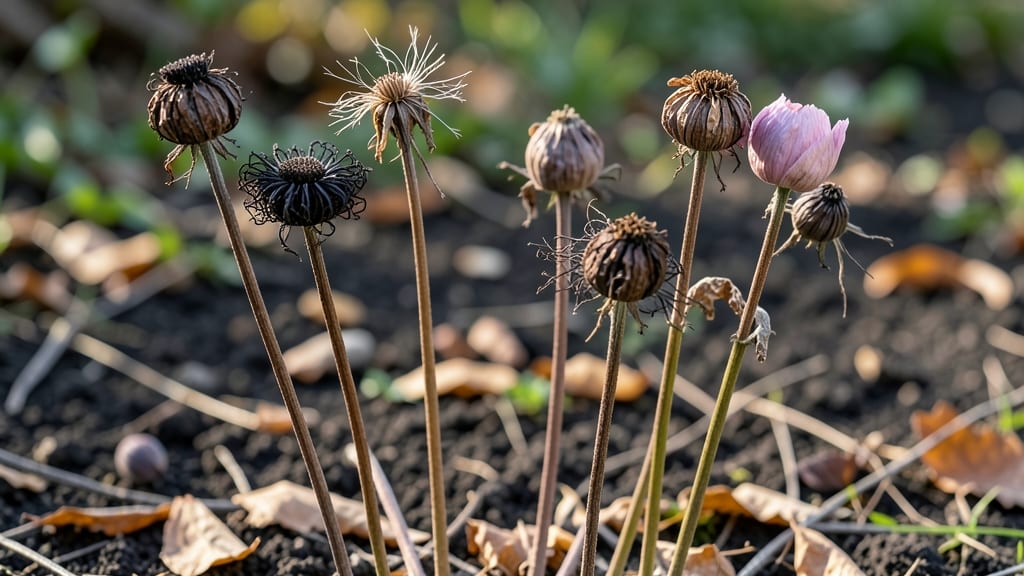
Anemone seed heads hold the secret to next year’s blooms—if you handle them right. 🌿 I’ve learned the hard way that tossing them out means missing out on free, reliable plants that multiply effortlessly.
The key is knowing exactly when to collect, how to dry, and where to store them so they stay viable until spring.
Most gardeners overlook this step, but proper seed head care gives you a head start on spring planting. You’ll need paper bags for drying, a cool dark spot for storage, and patience—these seeds need time to mature fully before they’re ready to sow.
Varieties like Anemone coronaria (the classic poppy anemone) and Anemone hupehensis (the tall, late-season bloomer) both produce seeds worth saving.
By late summer, when the seed heads turn brown and papery, you’ll know they’re ready to harvest. A quick shake over a bag captures thousands of tiny seeds—enough to fill your garden next year without buying a single plant.
Stored properly, they’ll stay fresh for 1-2 years, giving you a reliable source of new growth.
You can also leave some seed heads in the garden for winter interest—they add texture and movement to late-season borders. But if you want to maximize next year’s blooms, drying and storing them is the way to go. Here’s how to do it without losing a single seed.
📚 In This Guide
- What you need
- Instructions
- Tips and common mistakes
- Wrapping up and next steps
What you need
- ● Mature anemone seed heads: Harvest fully dried seed heads from healthy plants (late summer to early fall). Aim for at least 10-15 heads for reliable storage.
- ● Pruning shears or sharp scissors: Clean, sterilized tools to snip seed heads cleanly from stems.
- ● Brown paper bags or breathable paper sacks: 2-3 medium-sized bags (12x15 inches) to allow airflow.
- ● Twine or rubber bands: To secure seed heads inside bags and prevent spillage.
- ● Permanent marker: For labeling bags with the harvest date and variety (if applicable).
- ● Dry, well-ventilated space: A cool, dark area (e.g., basement, garage, or shed) with 50-60% humidity and room temperature (60-70°F).
- ○ Air-tight containers (optional for long-term storage): Glass jars or resealable plastic bags with silica gel packets to prevent moisture.
- ● Desiccant packets: Place 1-2 in storage containers to absorb excess moisture.
- ● Fine mesh bags: For separating seeds from chaff before storage (if you prefer clean seeds).
- ● Humidity monitor: Ensures your storage space stays ideal for seed viability.
- ● Notebook: Track germination rates or notes on seed performance year-to-year.
Step-by-step guide to harvesting, drying, and storing anemone seed heads
Here’s how I preserve anemone seed heads so they’re ready to sow next spring—no guesswork, just reliable blooms.
🌿 Step 1: Harvest Seed Heads at Peak Maturity
Wait until the anemone blooms fade completely and the seed heads turn a uniform tan or light brown color. This usually happens in late summer or early fall, depending on your climate. Gently twist the seed head from the stem—it should release easily without tearing the plant. If any stems remain attached, snip them clean with pruning shears.
Harvest on a dry, sunny morning when the seed heads are fully dry but haven’t started to crumble. This ensures the seeds stay viable. I like to work outdoors so I can spread the heads on a clean surface right away—no need for gloves, but avoid handling them if your hands are damp.
💧 Step 2: Dry Seed Heads Thoroughly
Spread the harvested seed heads in a single layer on a mesh screen, paper towel, or breathable fabric. Place them in a warm, dry, and well-ventilated spot—like a covered porch or a sunny windowsill—where they can dry for 10-14 days. The goal is to dry them completely so the seeds don’t mold or rot in storage.
Check daily for signs of moisture. If any seed heads feel damp to the touch, give them a few more days. Once fully dry, they’ll feel light and brittle. Avoid using a hairdryer or oven—heat can damage the seeds. If you live in a humid climate, place a small fan nearby to improve airflow.
🪴 Step 3: Store Seed Heads Properly
Once completely dry, place the seed heads in a paper envelope or small breathable bag—never airtight containers. Label each with the anemone variety and the harvest date. Store them in a cool, dark place, like a pantry or seed drawer, where temperatures stay between 40-50°F. This keeps them viable for 1-2 years without losing germination.
I like to add a few silica gel packets to the storage container to absorb any lingering moisture. If you notice mold or musty smells after opening the envelope, discard those seeds immediately—they’ve lost viability. For best results, use the oldest seeds first when sowing in spring.
⏰ Step 4: Test Viability Before Planting
Before sowing, test a few seeds to confirm they’re still good. Place 5-10 seeds in a damp paper towel, fold it over, and seal it in a plastic bag. Keep it in a warm spot (65-75°F) and check for sprouts in 7-14 days. If at least half sprout, the rest of your seeds are ready to plant.
If germination is poor, store the remaining seeds in the freezer for another year—the cold preserves them longer. I’ve had anemone seeds last 3 years in the freezer with no issues. Once you confirm viability, sow them in well-draining soil, keeping them lightly moist until germination.
Tips & tricks for perfect anemone seed preservation
Preserving anemone seed heads properly ensures your spring garden blooms with vibrant color—here’s how to avoid common pitfalls and maximize success.
Timing is Everything: Harvest seed heads only when they’ve fully matured to a uniform tan or light brown color, which typically occurs in late summer or early fall. Waiting too long risks seed loss, while harvesting too early means seeds won’t be fully developed. I’ve learned this the hard way—overripe seed heads crumble easily, making them nearly impossible to store effectively.
Drying Wisdom: The 10-14 day drying period in Step 2 is non-negotiable for preventing mold. Place seed heads in a warm, dry spot with good airflow—like a covered porch or sunny windowsill. If you live in a humid climate, a small fan nearby can speed up drying without damaging the seeds. Check daily for moisture; any dampness means more drying time is needed. This step is where most people go wrong—rushing the process leads to spoiled seeds.
Storage Secrets: Never store seed heads in airtight containers—they need to breathe! Paper envelopes or small breathable bags work best, and adding silica gel packets helps absorb any lingering moisture. Store in a cool, dark place (40-50°F) to maintain viability. I’ve found that labeling each envelope with the variety and harvest date keeps things organized and ensures you use the oldest seeds first.
Viability Test: Before planting, test 5-10 seeds in a damp paper towel for 7-14 days at 65-75°F. If at least half sprout, your seeds are good to go. This simple test saves time and frustration—skipping it could mean wasting viable seeds or struggling with poor germination. If germination is poor, freezing the remaining seeds can extend their lifespan for another year.
Pro Tips for Anemone Seed Heads
- Preserving anemone seed heads properly ensures your spring garden blooms with vibrant color—here’s how to avoid common pitfalls and maximize success.
- Timing is Everything: Harvest seed heads only when they’ve fully matured to a uniform tan or light brown color, which typically occurs in late summer or early fall.
- Drying Wisdom: The 10-14 day drying period in Step 2 is non-negotiable for preventing mold.
Frequently asked questions
Got questions about harvesting, storing, or using anemone seed heads?
Here are the most common ones—plus practical tips to ensure your seeds stay viable for next season’s vibrant blooms!
When is the best time to harvest anemone seed heads?
Harvest seed heads after they’ve fully dried on the plant but before they shatter—usually late summer to early fall (August–October). Look for brown, papery seed pods; if they release seeds when touched, you’ve missed the window!
How do I dry anemone seed heads properly?
Bundle stems with dried seed heads and hang them upside down in a well-ventilated, dry spot (like a garage or shed) for 2–3 weeks. Avoid direct sunlight or humidity—this prevents mold and ensures seeds stay viable. A paper bag over the bundle helps catch stray seeds!
Can I store anemone seeds in the fridge?
Yes! Once fully dry, store seeds in a cool, dark place (like a sealed container in the fridge) for up to 2 years. Label them with the harvest date to track freshness. For longer storage, freeze them in airtight bags with a drying packet (like silica gel).
What if my anemone seeds don’t germinate?
Try stratification: mix seeds with damp sand, seal in a bag, and refrigerate for 4–6 weeks to mimic winter. Anemones often need this cold treatment to break dormancy. If they still fail, check for freshness—older seeds may lose viability.
Are there easy alternatives to growing from seed?
Yes! Divide mature anemone clumps in early spring or fall for instant blooms. Alternatively, buy potted plants from nurseries—just ensure they’re labeled for your climate zone. Seed-growing takes patience but rewards you with unique varieties!
Wrapping up and next steps
Anemone seed heads are your secret weapon for next season’s vibrant blooms—just a little patience and care! By drying and storing them properly, you’ll ensure a steady supply of fresh, hardy flowers to brighten your garden year after year. 🌸
Ready to grow your anemone collection? Grab those seed heads, follow the steps, and soon you’ll be enjoying lush, reliable spring blooms with minimal effort. Happy gardening!
Next step:
- 📅 Mark your calendar for spring planting—your dried seeds will be waiting!
- 🌱 Share your progress with fellow gardeners for extra tips and inspiration.