
Orchid Care
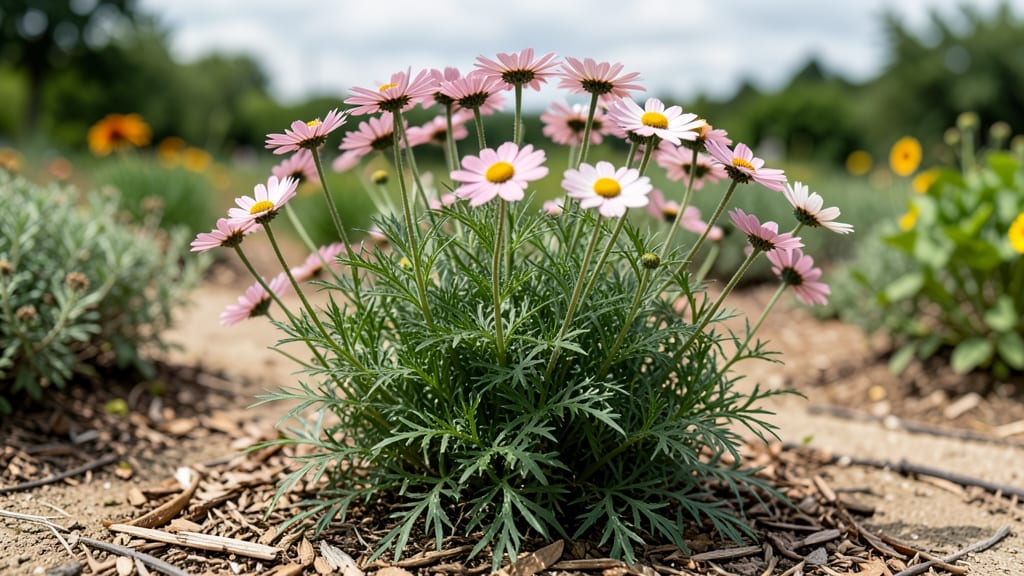
Tickseed coreopsis care thrives with almost no fuss once you get the basics right. 🌻 I've grown these cheerful yellow blooms for years, and they've become my go-to for low-maintenance color that lasts from early summer through fall—sometimes even into winter in mild climates. The secret lies in its sunlight love and drought tolerance. Plant it in full sun where it gets at least 6-8 hours of direct light daily, and water it deeply but infrequently—once a week is often enough unless you're in extreme heat. Well-draining soil prevents the one thing that kills coreopsis: soggy roots. You'll be rewarded with nonstop blooms that attract pollinators while keeping deer and rabbits away. Prune back spent flowers in early fall to encourage fresh growth, and you'll have a plant that looks better every year with almost no effort. Perfect for borders, meadow gardens, or even containers—this is the plant that proves beautiful doesn't have to mean high-maintenance.
📚 In This Guide
- What you need
- Instructions
- Tips and common mistakes
- Wrapping up and next steps
What you need
- ● Tickseed Coreopsis plants: 3–6 seedlings or nursery-grown plants (choose disease-resistant varieties like 'Moonbeam' or 'Zagreb' for best results).
- ● Well-draining potting mix: 2–3 cubic feet (for containers) or 10–12 cubic feet (for in-ground planting). Use a blend of 50% garden soil, 30% perlite or coarse sand, and 20% compost.
- ● Containers (if potted): 1–2 gallon pots per plant with drainage holes (or a raised bed for multiple plants).
- ● Watering can or hose with a gentle spray nozzle: For consistent moisture without over-saturating roots.
- ● Pruning shears: Sharp, sterilized tools for trimming dead blooms or leggy stems.
- ● Balanced fertilizer (10-10-10 or 20-20-20): 1–2 tablespoons per plant during the growing season (spring to early fall).
- ● Mulch (2–3 inches of shredded bark or straw) to retain moisture and suppress weeds.
- ● Slow-release fertilizer granules for hands-off nutrition.
- ● Plant supports (if growing tall varieties like 'Sunray', though Coreopsis is typically self-supporting).
- ● pH testing kit (ideal soil pH: 6.0–7.0; adjust with lime or sulfur if needed).
- ● Companion plants like lavender or catmint to attract pollinators and deter pests.
Step-by-Step instructions for growing tickseed coreopsis
Here's how I keep my coreopsis blooming effortlessly—once established, it practically takes care of itself.
🌱 Step 1: Choose the Right Location and Soil
Coreopsis thrives in full sun with at least 6-8 hours of direct light daily. I pick the sunniest spot in my garden because it won’t tolerate shade—its blooms will fade to pale yellow and stop opening. The soil should drain well; coreopsis hates soggy roots, so amend heavy clay with compost or sand if needed.
Dig a hole twice as wide as the root ball but only as deep as the container it came in. Loosen the sides of the hole so roots can spread easily. Here’s the thing—coreopsis grows best in average garden soil, so don’t overdo the fertilizer. Too much nitrogen produces leafy growth at the expense of flowers, and that’s the last thing you want.
☀️ Step 2: Plant and Water for Establishment
Place the plant in the hole, backfill with soil, and firm gently around the base. Water deeply right after planting to settle the soil and eliminate air pockets. You’ll see the soil sink slightly—this is normal. Coreopsis has a deep taproot, so watering deeply once a week (or more in extreme heat) encourages strong root growth.
Don’t water from above once planted—it can dislodge the soil. Instead, water at the base until the top 6 inches of soil feels moist. Watch for wilting leaves; that’s your signal to water again. The first year is all about helping roots establish before the plant goes dormant in winter.
✂️ Step 3: Prune for Continuous Blooms
Deadhead spent blooms regularly to encourage more flowers. I pinch off faded flowers with my fingers—no need for shears—because coreopsis self-seeds easily. If you let it go to seed, you’ll end up with volunteer plants popping up everywhere next year (which isn’t a bad thing, but it can get messy).
After the first big flush of blooms, cut back the stems by one-third to encourage a second round of flowers. Do this in early summer, and you’ll get another burst of color by late summer. Real talk: If you skip pruning, the plant will still bloom, but it’ll look leggy and overgrown by fall.
🌿 Step 4: Winter Care for Perennial Growth
Coreopsis is hardy and mostly low-maintenance, but it does need a little help in winter. In colder climates, mulch the base with 2-3 inches of straw or shredded leaves after the first frost. This protects the crown from freezing and thawing cycles, which can damage roots. Remove the mulch in early spring once new growth appears.
In mild winters, you might not need mulch at all. Just watch for new shoots in early spring—that’s your cue to trim back any dead stems. Coreopsis is one of those perennials that rewards patience; with minimal effort, it’ll come back year after year with vibrant blooms.
Tips & tricks for perfect tickseed coreopsis growth
Common pitfalls—and how to sidestep every one—when growing this cheerful perennial.
Sunlight Secret: The 6-8 hours of direct sunlight in Step 1 is non-negotiable. I've learned this the hard way—shady spots produce pale, sparse blooms. If your garden lacks full sun, consider container growing where you can move plants to sunnier locations as needed. A south-facing window or balcony works well for containers during summer months.
Soil Strategy: When amending heavy clay with compost or sand in Step 1, aim for a 50/50 mix if your soil is particularly dense. I test soil drainage by digging a small hole, filling it with water, and timing how long it takes to drain—if it's more than 2 hours, you need better drainage. Coreopsis roots need oxygen, not soggy conditions.
Watering Wisdom: The once-weekly watering in Step 2 works for average conditions, but adjust based on your climate. In extreme heat, I water every 3-4 days instead, always checking that top 6 inches of soil. A moisture meter helps avoid over- or under-watering. The key is consistent moisture—not saturation.
Pruning Precision: When cutting back stems by one-third in Step 3, focus on removing the oldest growth first. This encourages new shoots from the base. I use clean pruners for larger stems and my fingers for deadheading—both methods work, but clean tools prevent disease. Timing matters too: early summer pruning triggers that second bloom cycle.
Pro Tips for Tickseed Coreopsis Care
- Common pitfalls—and how to sidestep every one—when growing this cheerful perennial.
- Sunlight Secret: The 6-8 hours of direct sunlight in Step 1 is non-negotiable.
- Soil Strategy: When amending heavy clay with compost or sand in Step 1, aim for a 50/50 mix if your soil is particularly dense.
Frequently asked questions
Got questions about keeping your Tickseed Coreopsis happy and blooming? You’re in the right place! Here are answers to the most common queries—from pruning to pests and everything in between.
How often should I water my Tickseed Coreopsis?
Water deeply but infrequently—about once a week (or when the top inch of soil feels dry). These drought-tolerant beauties hate soggy roots, so always ensure pots or beds have excellent drainage. Mulch helps retain moisture while keeping roots cool. Pro tip: Skip watering if rain has soaked the soil!
When is the best time to prune Tickseed Coreopsis?
Prune right after blooming (late summer to early fall) to encourage a second flush of flowers. Cut back 1/3 of the plant’s height with clean shears, and remove any dead or leggy stems. Avoid heavy pruning in spring—let it establish new growth first. Bonus: Deadheading spent blooms extends the flowering season!
What pests should I watch for, and how do I treat them?
Common culprits include aphids, spider mites, and Japanese beetles. For mild infestations, blast pests off with water or use insecticidal soap. For beetles, handpick them or use neem oil. Prevention tip: Healthy plants (with good airflow and balanced fertilizer) resist pests better! Warning: Avoid over-fertilizing—it attracts beetles.
Can I grow Tickseed Coreopsis in containers, and what’s the best soil mix?
Use a well-draining potting mix blended with perlite or sand (e.g., 60% potting soil, 30% perlite, 10% compost). Containers should have drainage holes, and terracotta pots help prevent root rot. Choose compact varieties like ‘Moonbeam’ for smaller pots—just ensure they get 6+ hours of sunlight daily.
How do I overwinter Tickseed Coreopsis in cold climates?
In zones below 5, cut back plants to 2–3 inches tall after the first frost, then mulch heavily (4–6 inches) with straw or leaves. In containers, move pots to a sheltered spot or garage (keep above freezing). Resume watering lightly in early spring. Hardy tip: Coreopsis often self-seeds—let some stems stand for surprise spring blooms!
Wrapping up and next steps
Caring for tickseed coreopsis is a breeze—just a little sun, well-draining soil, and occasional watering will reward you with stunning blooms that last from spring to fall! 🌼 With its drought tolerance and low-maintenance nature, this cheerful plant is perfect for busy gardeners or anyone craving effortless beauty.
Now that you’re armed with the right tips, why not plant one today and enjoy a vibrant, hassle-free garden? Grab your seeds or seedlings and let nature do the rest!