
Size
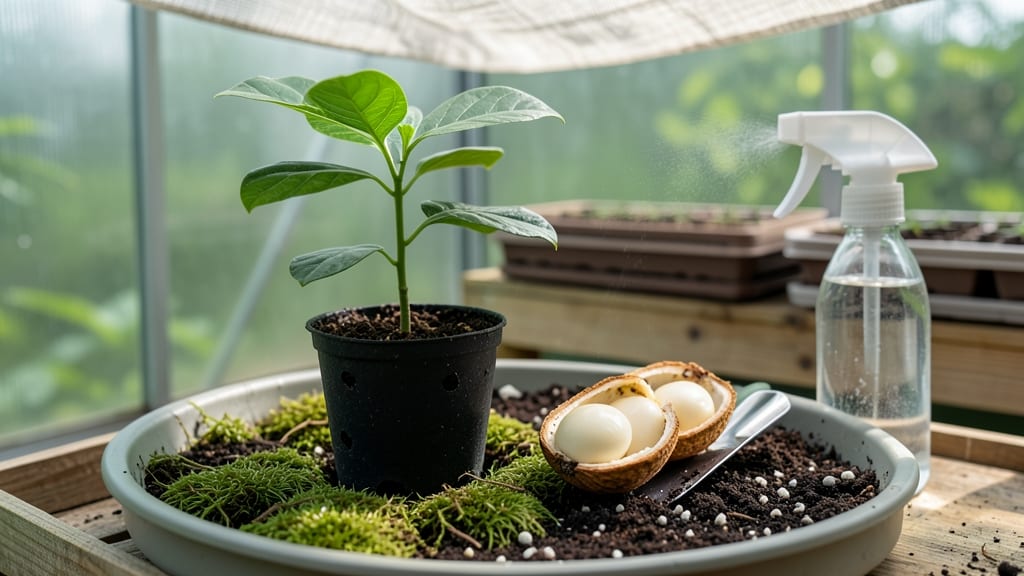
Growing cacao from seed turns your garden into a tropical paradise. 🌿 The rich, velvety cacao pods you harvest will taste nothing like store-bought chocolate—and the process is simpler than you think, once you know the right tricks.
Start with high-quality, fermented seeds (available online or from specialty nurseries) and mimic their native rainforest conditions: warm, humid, and shaded. Most beginners overwater or expose plants to cold drafts, which kills them within weeks. I’ve learned that consistent moisture and 60-80°F temperatures are non-negotiable for survival.
By year two, you’ll see those signature deep red cacao flowers followed by glossy pods—each one a potential harvest. The first crop might be small, but with patience, your cacao tree could produce 50+ pods annually in ideal conditions. Perfect for warm climates (zones 10-12) or greenhouse setups elsewhere.
Here’s how to get those first seeds sprouting within weeks—no tropical expertise required!
📚 In This Guide
- What you need
- Instructions
- Tips and common mistakes
- Wrapping up and next steps
What you need
- ● Cacao seeds: 5–10 high-quality, organic cacao seeds (fermented and dried for best results). Look for Theobroma cacao varieties like Criollo or Forastero.
- ● Growing containers: 2–3 small pots (6–8 inches in diameter) with drainage holes, or a seed-starting tray with individual cells.
- ● Potting mix: 1 bag of well-draining, peat-free mix (or a blend of coconut coir, perlite, and compost in a 3:1:1 ratio).
- ● Grow lights or sunny window: A full-spectrum LED grow light (or access to indirect sunlight for 10–12 hours/day).
- ● Spray bottle: For gentle watering and maintaining humidity.
- ● Humidity dome or plastic wrap: To create a mini greenhouse effect for seedlings.
- ● Fertilizer: A balanced, organic liquid fertilizer (e.g., fish emulsion or compost tea) diluted to half-strength.
- ● Pruning shears: Small, sharp scissors for trimming excess growth.
- ● Thermometer/hygrometer: To monitor temperature (ideal: 75–85°F) and humidity (70–80%).
- ● Mulch (e.g., shredded leaves or straw) to retain soil moisture.
- ● Epsom salt (magnesium sulfate) for occasional foliar sprays to boost plant health.
- ● A greenhouse or indoor growing space with climate control for year-round growth.
- ● Pollination tools (like a small paintbrush) if growing flowers for seed production.
- ● Labels and markers to track seed varieties and planting dates.
Step-by-step guide to growing cacao from seed in your garden
Transforming cacao seeds into thriving plants is a rewarding challenge that rewards patience with lush foliage and potential future harvests.
🌱 Step 1: Prepare Seeds and Germination Medium
Start by selecting fresh cacao seeds—look for plump, dark beans with no cracks or mold. Remove any remaining pulp and rinse them thoroughly under cool water to remove residual sugar, which can attract pests. Soak the seeds in lukewarm water for 24 hours to soften their tough outer shell and jumpstart germination.
Fill a small pot or seed tray with a well-draining, peat-based mix (equal parts peat moss, perlite, and coconut coir). Moisten the mix until it feels like a damp sponge—never soggy. Plant each seed ½ inch deep, spacing them 2 inches apart to allow room for root development. Cover the pot with plastic wrap to maintain high humidity, which cacao seeds crave for germination.
💧 Step 2: Create Ideal Germination Conditions
Cacao seeds thrive in warmth and humidity, so place the pot in a location with constant temperatures between 75-85°F. A seedling heat mat set to 80°F accelerates germination significantly. Keep the soil consistently moist but never waterlogged—check daily by inserting your finger ½ inch deep; if it feels dry, add a light mist of water.
Germination can take 2-4 weeks, so patience is key. You’ll know it’s working when you see a small sprout emerge from the soil, followed by the first true leaves (not the initial seed leaves). Once sprouts appear, remove the plastic wrap immediately to prevent fungal growth, but maintain high humidity with a humidity dome or by grouping plants together.
☀️ Step 3: Transition to Light and Gradual Growth
After the first true leaves appear, move seedlings to a bright, indirect light spot—direct sunlight can scorch tender new growth. A grow light positioned 6-8 inches above the plants for 12-14 hours daily works best. Rotate the pot quarter-turn weekly to ensure even growth and prevent leggy stems.
When seedlings reach 4-6 inches tall and have 4-5 true leaves, they’re ready for their first repotting. Use a 6-inch pot filled with a well-aerated, slightly acidic mix (pH 5.5-6.5). Cacao plants love moisture but hate soggy roots, so ensure pots have drainage holes and water only when the top inch of soil feels dry. Fertilize lightly with a balanced, organic fertilizer (10-10-10) diluted to half strength every 4 weeks.
🌿 Step 4: Establish Mature Plants for Year-Round Care
As your cacao plants grow, they’ll need more space and support. By 6 months, transplant them into 12-inch pots or directly into the ground in a tropical or greenhouse setting with year-round warmth. Cacao plants require 70-80°F temperatures and high humidity (60%+)—if your climate doesn’t provide this naturally, use a greenhouse or shade cloth during cooler months.
Prune leggy or overcrowded branches to encourage bushier growth, focusing on removing weak or crossing stems. Mulch the soil with organic matter (like shredded leaves or bark) to retain moisture and simulate their natural forest floor habitat. By 12-18 months, your cacao plants will start producing buds and flowers, signaling they’re ready for their first potential harvest.
⏰ Step 5: Maintain and Harvest for Bold Blooms
Cacao plants are heavy feeders, so fertilize monthly with a potassium-rich fertilizer (like banana peel tea or compost) to support flowering and fruit development. Watch for orange-red flowers that appear in clusters—these are your first sign of progress! Hand-pollinate if needed by gently transferring pollen with a small brush.
Harvest pods when they turn yellow or orange, typically 5-6 months after flowering. Open them carefully to reveal the cacao beans inside—these can be dried and roasted for chocolate-making or replanted for future generations. With consistent care, your cacao plants will reward you with year-round blooms and harvests, making your garden a true tropical oasis.
Tips & tricks for growing cacao plants from seed
Growing cacao from seed is a journey that rewards patience with lush, productive plants—but only if you nail these key details. Here's what I've learned from years of trial and error to help your cacao thrive.
Seed Selection and Preparation: The 24-hour soak is non-negotiable for breaking down the tough seed coat, but don't rush it. I've found that gently rubbing the seeds between two paper towels after soaking helps remove any remaining pulp residue that could attract mold. Also, use lukewarm water—not hot—since extreme temperatures can damage the delicate embryo inside.
Germination Environment: Maintaining that 75-85°F range is crucial, but don't rely solely on your thermometer. I place a small fan on low near the pot to create gentle air circulation while keeping humidity high—this prevents stagnant air that can cause fungal issues. The moment you see those first true leaves, remove the plastic wrap immediately to prevent condensation buildup, which can smother new growth.
Light Transition Strategy: When moving seedlings to bright indirect light after Step 2, I recommend starting with just 6-8 hours of light per day and gradually increasing to 12-14 hours over 3-4 days. This gradual adjustment prevents shock that can cause leaves to yellow or drop. For the grow light position, I've found 6-8 inches works best, but adjust based on leaf color—if they're stretching toward the light, they need more intensity.
Pro Tips for Cacao Seed Grow A Garden
- Growing cacao from seed is a journey that rewards patience with lush, productive plants—but only if you nail these key details.
- Seed Selection and Preparation: The 24-hour soak is non-negotiable for breaking down the tough seed coat, but don't rush it.
- Germination Environment: Maintaining that 75-85°F range is crucial, but don't rely solely on your thermometer.
Frequently asked questions
Got questions about growing cacao seeds in your garden?
Here are answers to the most common ones—so you can cultivate bold blooms and delicious harvests with confidence!
How long does it take for cacao seeds to germinate?
Cacao seeds typically germinate in 10 to 30 days, depending on temperature, moisture, and seed freshness. Keep them in a warm, humid environment (around 70–85°F) and maintain moist soil to speed up the process. Patience is key—some seeds may take longer!
Can I grow cacao seeds indoors or in containers?
Cacao thrives in large containers (at least 18–24 inches deep) with well-draining soil. Place them in a sunny spot (or under grow lights) and ensure high humidity. Just mimic tropical conditions—no frost! Move pots outdoors in summer if your climate allows.
When is the best time to plant cacao seeds?
Plant seeds year-round in tropical climates, but aim for spring or early summer in cooler regions. Young cacao plants are sensitive to cold—wait until nighttime temps stay above 55°F. If starting indoors, begin seeds 8–12 weeks before last frost for a head start.
What do I do if my cacao seeds rot or mold?
Overwatering or poor drainage causes rot. If seeds turn mushy or fuzzy with mold, stop watering immediately and replant healthy seeds in fresh, sterile soil. Use a 50/50 mix of peat moss and perlite to improve airflow. Keep humidity high but avoid soggy conditions!
Can I grow cacao from store-bought chocolate?
Technically yes, but it’s hit-or-miss. Store-bought chocolate often contains processed cacao (not raw seeds) or additives. For better success, use fermented, dried cacao beans from a specialty store. If using chocolate, melt it, extract the nibs, and ferment them for 5–7 days before planting.
Wrapping up and next steps
Growing cacao seeds in your garden is a rewarding journey that blends patience, creativity, and a touch of tropical magic! 🌱 From selecting the right seeds to nurturing bold blooms year-round, every step brings you closer to harvesting your own luscious cacao.
Whether you're a seasoned gardener or just starting out, the key is to stay consistent and enjoy the process.
Now that you’re armed with the knowledge, why not take the next step? Start small—plant a few seeds in a pot or a sunny corner of your garden—and watch your cacao adventure unfold. Who knows? You might just discover a new passion (or a delicious homemade treat!). Happy growing! 🌟