
Planting
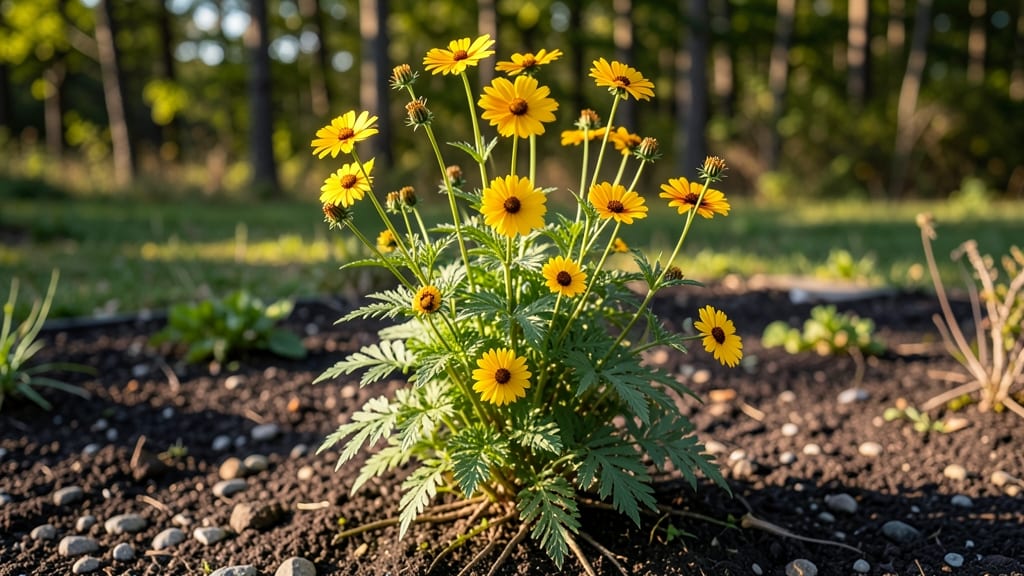
The tickseed plant care thrives with almost no fuss once you get its sunlight and soil right. 🌻 I’ve grown tickseed for years, and its cheerful blooms prove that drought-tolerant plants can still be showstoppers—without the high-maintenance drama.
The secret lies in matching its natural habits: full sun, well-draining soil, and occasional deadheading to keep flowers coming all season.
This plant handles neglect like a champ, but it does best in full sun (6+ hours daily) and soil that drains fast—rocky or sandy works perfectly. Water only when the top inch of soil feels dry, and skip the fertilizer unless your soil is truly poor.
Overwatering is the #1 way to kill it, but once established, tickseed plants laugh at droughts and still put on a floral show.
By mid-summer, you’ll see those bright yellow or pink daisies drawing bees and butterflies like a magnet. The more you prune spent blooms, the longer they’ll flower—some varieties keep going until frost. Even my black thumb can’t kill these, and they self-seed like crazy, giving you free plants for years.
For leggy growth, just trim back in early spring to encourage bushier stems. Yellow leaves? Likely overwatering. Brown edges? Too much salt in the soil. This plant forgives mistakes, but it rewards attention with months of effortless color—perfect for pollinator gardens, borders, or even containers on patios.
📚 In This Guide
- What you need
- Instructions
- Tips and common mistakes
- Wrapping up and next steps
What you need
- ● Tickseed seeds or seedlings: Choose from varieties like Coreopsis verticillata or Coreopsis grandiflora. Buy 10–20 seeds for a small garden or 50+ seeds for a full bed.
- ● Well-draining potting mix or garden soil: A blend of 60% topsoil, 30% compost, and 10% perlite or sand works best. For containers, use a 10-inch pot or larger with drainage holes.
- ● Sunlight access: A spot with 6+ hours of direct sunlight daily (full sun is ideal). Partial shade (3–6 hours) works for cooler climates.
- ● Watering can or hose with a gentle spray nozzle: Tickseed dislikes soggy roots, so moderate watering (1–1.5 inches per week) is key.
- ○ Fertilizer (optional but helpful): A balanced, slow-release fertilizer (10-10-10 or 20-20-20) applied once in spring.
- ● Or, organic options like compost tea or worm castings for a natural boost.
- ● Garden gloves (to protect your hands from prickly stems).
- ● Pruning shears (for deadheading spent blooms and shaping plants).
- ● Mulch (straw or shredded bark) to retain moisture and suppress weeds.
- ● Pest control: Neem oil or insecticidal soap (if aphids or spider mites appear).
- ● Stakes or plant supports (for taller varieties like Coreopsis lanceolata in windy areas).
Instructions for year-round tickseed plant care
Here's how I keep my tickseed plants blooming effortlessly—no green thumb required.
🌱 Step 1: Choose the Right Location for Sun and Drainage
Tickseed thrives in full sun to partial shade, so pick a spot with at least 6 hours of sunlight daily. I always place mine where they get morning sun and afternoon shade in hot climates—this prevents leaf scorch while keeping flowers vibrant. Look for areas where water pools after rain and avoid them; tickseed hates soggy roots.
If you're planting in containers, make sure they have drainage holes. I use terracotta pots because they wick away excess moisture naturally. The soil should feel dry 1 inch down before you water again—stick your finger in to check. This plant is drought-tolerant once established, so don't overwater.
☀️ Step 2: Plant at the Right Time and Depth
For container plants, you can move them outdoors after the last frost when nighttime temperatures stay above 50°F. If you're planting directly in the ground, spring is ideal. Dig a hole just as deep as the plant's root ball and twice as wide. Gently loosen the roots if they're circling before placing in the hole.
Space plants 12-18 inches apart for full-size plants or 6-8 inches apart if you're growing them as border plants. I like to add a handful of compost to the planting hole—this gives them a nutrient boost without overwhelming them. Water deeply right after planting to settle the soil around the roots.
💧 Step 3: Water Consistently During the Growing Season
Water tickseed plants when the top 1-2 inches of soil feel dry. During the first growing season, I water about once a week, but established plants only need water every 2-3 weeks unless it's extremely hot or dry. Overwatering is the quickest way to kill these plants—yellowing leaves are your first warning sign.
Water at the base of the plant in the morning to reduce evaporation and fungal risks. I avoid getting leaves wet, especially during humid weather, as this can lead to mildew. If you notice the leaves wilting, it's usually a sign of underwatering, not overwatering—tickseed is incredibly resilient once it's settled in.
✂️ Step 4: Prune and Deadhead Regularly
Deadheading spent blooms encourages more flowers and keeps your plant looking tidy. I pinch off faded flowers with my fingers or use clean pruners to snip them just above a set of leaves. This simple step extends the blooming season by weeks. Prune leggy stems back to encourage bushier growth—never cut more than 1/3 of the plant at once.
In late fall, cut back the plant by about half its height to promote fresh growth in spring. This is also a good time to divide clumps if your plant has outgrown its space. I divide mine every 3-4 years in early spring, making sure each division has at least 3-4 stems for best results.
🪴 Step 5: Protect and Prepare for Winter
Tickseed is hardy in USDA zones 5-11, but younger plants may need winter protection. In colder climates, I mound mulch around the base of the plant up to 2-3 inches high to insulate the roots. Use shredded bark or straw—avoid dense mulches that can trap too much moisture.
For container plants, move them to a sheltered spot like a garage or under an eave where they won't freeze. Keep them slightly moist but not soggy during winter. In spring, resume regular care once new growth appears. This plant is so forgiving that even if you forget to winterize it, it often bounces back with minimal damage.
Tips & tricks for perfect year-round tickseed growth
Took me years to figure out these simple tricks that make tickseed care practically foolproof—even for those who've killed plants in the past.
Location is Everything: I've learned the hard way that morning sun and afternoon shade is the golden rule. If you're in a hot climate, watch for afternoon sunburn—your tickseed will tell you when it's too much with crispy leaf edges. For container plants, place them where they get that perfect balance, and rotate pots every few weeks to ensure even growth.
Soil Test Matters: Before planting, do a quick soil test to check drainage. I dig a hole, fill it with water, and if it doesn't drain within an hour, I know I need to amend the soil with perlite or sand. Tickseed roots need oxygen—soggy soil is their worst enemy. This simple test saves you from root rot headaches later.
Watering Wisdom: The finger test is your best friend here. Stick your finger about 1 inch down—if it feels dry, it's time to water. I've seen beginners water every day and end up with yellow leaves. Remember, this plant is drought-tolerant once established, so err on the side of underwatering rather than overwatering. That said, during extreme heat (above 90°F), you might need to water every 10-14 days instead of the usual 2-3 weeks.
Pruning Payoff: I can't stress enough how deadheading changes the game. When you see those spent blooms, pinch them off immediately. This isn't just about looks—it signals the plant to redirect energy into new flowers instead of seed production. I do this every morning during peak bloom season, and my plants keep flowering for months longer than neighbors who skip this step.
Pro Tips for Tickseed Plant Care
- Took me years to figure out these simple tricks that make tickseed care practically foolproof—even for those who've k...
- Location is Everything: I've learned the hard way that morning sun and afternoon shade is the golden rule. If you're ...
- Soil Test Matters: Before planting, do a quick soil test to check drainage. I dig a hole, fill it with water, and if ...
Frequently asked questions
Got questions about keeping your tickseed plant happy? You’re not alone! Here are answers to the most common concerns—so you can enjoy its vibrant blooms with confidence.
How often should I water my tickseed plant?
Water your tickseed plant only when the top inch of soil feels dry. Overwatering is the #1 killer—these drought-tolerant beauties prefer dry conditions. In hot climates, water every 1-2 weeks; in cooler areas, stretch it to 3-4 weeks. Pro tip: Yellowing leaves? You’re likely overdoing it!
When is the best time to prune tickseed for bushier growth?
Prune after flowering (late spring/early summer) to encourage fuller growth. Cut back one-third of the plant to shape it or remove dead stems. Avoid heavy pruning in fall/winter—tickseed needs time to recover before spring blooms. Bonus: Pruned stems can propagate easily in water!
Can tickseed survive winter outdoors in cold climates?
Tickseed is tender perennials—they’ll die back in frost but often regrow from roots if mulched well. In zones 8-11, plant in spring after last frost. For colder areas, grow as an annual or overwinter indoors in pots with minimal light. Warning: Sudden freezes can kill them, so monitor forecasts!
What pests commonly attack tickseed, and how do I treat them?
Watch for aphids, spider mites, or whiteflies—they love the sap! Blast pests off with water first, then use neem oil or insecticidal soap if needed. Healthy plants resist pests better, so ensure good drainage and avoid over-fertilizing. Quick fix: Introduce ladybugs for natural control!
Are there low-maintenance alternatives to tickseed with similar blooms?
Yes! Try Mexican sunflower (Tithonia) or blanket flower (Gaillardia)—both thrive in heat, need minimal water, and attract pollinators. For trailing options, lantana is another tough, colorful pick. All three are perennial in warm zones and annual in cooler areas.
Wrapping up and next steps
Caring for a tickseed plant (Coreopsis) is a breeze—just a splash of sunlight, well-draining soil, and occasional watering, and you’ll be rewarded with vibrant blooms all season long! 🌻 Whether you’re a seasoned gardener or a beginner, these hardy plants thrive with minimal fuss, making them the perfect low-maintenance addition to your garden or patio.
Ready to watch your space burst with color? Grab your seeds or seedlings and get planting!
- Next step: Choose your favorite variety and start planting—your future blooms will thank you!