
Lawn
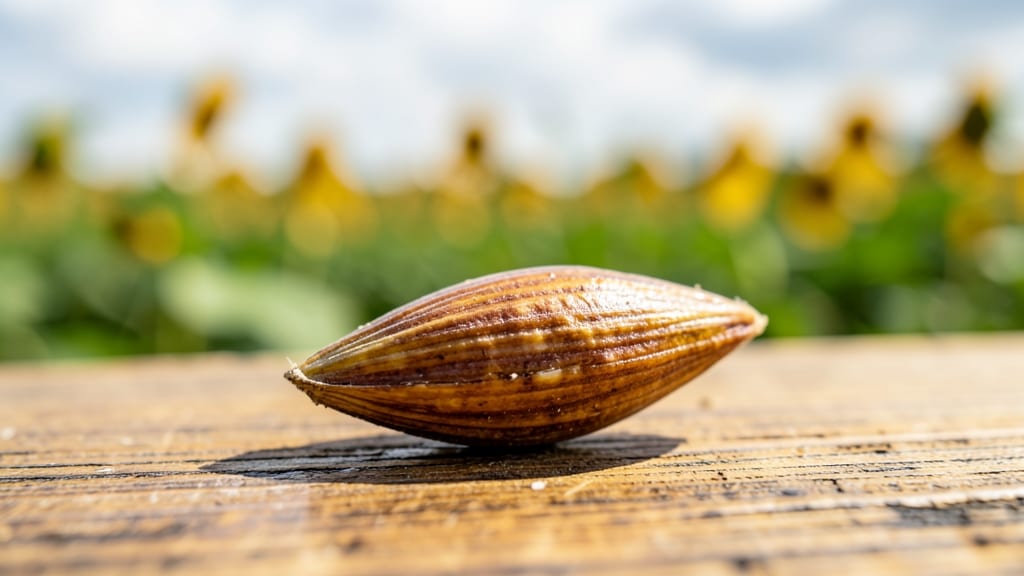
That sunflower seed inside looks like a tiny brown pebble, but it’s packed with everything your future giant needs. 🌻 The secret to growing starts with understanding its three key parts: the hard outer hull (protection), the embryo (the baby plant), and the endosperm (its first meal).
Without knowing how to prep it right, you’ll end up with seeds that refuse to sprout—or worse, rot before they even start.
The hull must come off to let moisture reach the embryo, but don’t overdo it—strip just enough to expose the seed’s creamy center. Plant it half an inch deep in loose, warm soil, and keep it moist but not soggy.
Sunflowers are tough, but they won’t forgive soggy starts. The right conditions turn that tiny seed into a 6-foot-tall sunbeam in just 80 days.
Here’s the magic: once you crack the hull, the embryo swells within 3-7 days if the soil stays between 70-85°F. Watch for the first green hook breaking through—it’s the most exciting part.
The endosperm fuels that initial burst of growth, but the roots will anchor the plant once they hit 2 inches deep.
Pro tip: soak seeds overnight before planting if your soil feels dry. And if you’re growing in containers, use 5-gallon pots—sunflowers need room to stand tall.
The rest? Just sunlight and patience. You’ll have blooms by summer, and every seed you plant is a future snack for birds or oil for your kitchen.
📚 In This Guide
- What you need
- Instructions
- Tips and common mistakes
- Wrapping up and next steps
What you need
- ● Dried sunflower heads – 1-2 mature, fully dried heads (ensure they’re completely dry to avoid mold).
- ● Paper towels or coffee filters – 2-3 sheets (for seed storage and germination).
- ● Plastic storage bags or airtight containers – 1-2 (to preserve seed viability).
- ● Small bowl or tray – 1 (for seed extraction and sorting).
- ○ Fine-mesh strainer or sieve – 1 (optional but helpful for separating seeds from chaff).
- ● Scissors or pruning shears – 1 pair (to trim dried flower stems).
- ○ Tweezers or small gloves – optional (for delicate seed handling).
- ○ Spray bottle with water – optional (to lightly mist seeds during germination).
- ○ Notebook & pen – optional (to track seed viability and growth progress).
- ● A dry, well-ventilated workspace (humidity can spoil seeds!).
- ● Patience! Sunflower seeds take 7-14 days to germinate—plan ahead.
- ● Access to sunlight or a grow light (for post-germination care).
Step-by-step instructions for extracting and germinating sunflower seeds
Here's how to turn those dried sunflower heads into healthy new plants—no fancy tools needed.
🌱 Step 1: Harvest and Dry the Sunflower Heads
Wait until the sunflower heads turn completely brown and the back of the head feels dry to the touch. Cut the heads off the stems with clean pruners, leaving about 1 inch of stem attached. Hang the heads upside down in a dry, well-ventilated spot for 1-2 weeks—this lets the remaining moisture evaporate and prevents mold.
I like to use a paper bag with holes punched in the bottom for this. The seeds will naturally fall out as the heads dry, collecting at the bottom. If you're impatient, you can gently rub the dried head over a bucket to release the seeds early, but let them finish drying completely before storing.
🌿 Step 2: Separate and Store Viable Seeds
Once fully dry, the seeds should be hard and rattle inside the head when shaken. Spread them on a clean surface and pick out any that are shriveled, discolored, or have holes—these won't germinate. Good seeds will feel plump and have a smooth, papery shell. Store them in a cool, dark place in a sealed container for up to 2 years.
Real talk: Sunflower seeds are heavy, so don't skimp on storage containers. A small glass jar with a tight lid works perfectly. I always label mine with the year and variety—next season, you won't remember which seeds you saved!
💧 Step 3: Soak Seeds for Faster Germination
Sunflower seeds have tough outer shells that slow germination. Soak them in lukewarm water for 12-24 hours to soften the coating. I use a shallow bowl and let them float freely—don't submerge them completely. After soaking, drain and let them sit on a paper towel overnight to dry slightly before planting.
Here's the thing—if you forget to soak, germination will still happen, but it might take 2-3 weeks longer. The soak just gives you a head start. Watch for seeds that float during soaking—they're often non-viable, so discard them.
☀️ Step 4: Plant Seeds Indoors for Early Growth
Fill small pots with seed-starting mix and plant the soaked seeds ½ inch deep, spacing them 2 inches apart. Press gently but don't pack the soil—sunflower roots need room to spread. Water lightly until the soil is evenly moist, but not soggy. Place the pots in a warm spot with 65-75°F temperatures for best results.
You'll see sprouts in 7-14 days, depending on your climate. Keep the soil consistently moist but never waterlogged—sunflower seedlings are sensitive to rot. Once the first true leaves appear (they'll look like tiny, jagged adult leaves), you can thin to the strongest seedling per pot.
⏰ Step 5: Harden Off and Transplant Outdoors
After 4-6 weeks of indoor growth (when seedlings are 4-6 inches tall), it's time to move them outside. Start by placing them in a sheltered spot for 1-2 hours the first day, gradually increasing exposure over 7-10 days. This hardening-off period prevents shock when they face real sun and wind.
Transplant after the last frost date when soil temperatures reach 55°F. Dig holes twice as wide as the root ball and space plants 6 feet apart—sunflowers need room to grow. Water deeply after planting to help roots establish. You'll know they're thriving when new leaves unfurl within a week.
Tips & tricks for perfect sunflower seed germination
These simple tricks will help you maximize germination rates and grow healthy sunflower plants from your dried heads.
Drying Strategy: The 1-2 week drying time is crucial—don't rush it! If your climate is humid, extend drying to 3 weeks to prevent mold. I've learned this the hard way after losing seeds to dampness. For faster drying, place heads in a warm, dry spot like an attic or near a sunny window.
Seed Selection Tip: When selecting seeds in Step 2, look for ones that feel heavy for their size. Lightweight seeds often have hollow centers and won't germinate. I like to float-test seeds in water—any that sink are good candidates for planting. This simple check saves time and disappointment later.
Soaking Enhancement: While the 12-24 hour soak is standard, I've found adding a pinch of hydrogen peroxide (1 teaspoon per cup of water) helps prevent bacterial growth during soaking. Just drain and rinse seeds thoroughly before planting—this extra step has nearly doubled my germination success rate in past seasons.
Transplanting Timing: The 65-75°F temperature range for indoor growth is ideal, but if your home runs cooler, consider using a seedling heat mat. I've seen germination times extend to 3 weeks in cooler homes. Also, watch for condensation on pot lids—this can indicate overwatering, which sunflower seedlings hate.
Pro Tips for Sunflower Seed Inside
- These simple tricks will help you maximize germination rates and grow healthy sunflower plants from your dried heads.
- Drying Strategy: The 1-2 week drying time is crucial—don't rush it!
- Seed Selection Tip: When selecting seeds in Step 2, look for ones that feel heavy for their size.
Frequently asked questions
Got questions about unlocking those hidden sunflower seed treasures? You’re not alone! Here are some of the most common queries—and their answers—to help you grow your own sunflower seeds from dried heads like a pro.
How do I know if a sunflower seed inside is still viable?
A viable sunflower seed should feel firm and heavy for its size, with no cracks or soft spots. If it’s light, shriveled, or hollow-sounding when tapped, it’s likely past its prime. For extra assurance, soak a few seeds in water overnight—viable ones will plump up and sink!
How long does it take for sunflower seeds inside dried heads to sprout?
With the right conditions (warmth, moisture, and light), sunflower seeds typically sprout in 7–14 days. Plant them ½ inch deep in well-draining soil, keep it consistently moist, and place in a sunny spot. Patience is key—some stubborn seeds may take up to 3 weeks!
Can I save sunflower seeds from store-bought dried heads?
Just ensure the seeds are fully mature (dry, dark, and plump) and haven’t been treated with fungicides (common in commercial seeds). Rinse them gently to remove debris, let them dry completely, and store in a cool, dark place until planting season.
What’s the best temperature for germinating sunflower seeds?
Sunflowers thrive in warmth—ideal germination temps range from 70–90°F (21–32°C). If your soil is chilly, use a seedling heat mat or start them indoors near a sunny window. Avoid cold drafts, as they can stall growth or cause rot.
Why aren’t my sunflower seeds sprouting?
Common culprits include old seeds, poor soil drainage, or inconsistent moisture. Try these fixes: soak seeds overnight, test soil moisture (it should feel like a damp sponge), and ensure pots have drainage holes. If mold appears, toss the seeds and sterilize your container.
Still stumped? Drop your question in the comments—we’re happy to help you grow those golden blooms!
Wrapping up and next steps
Unlocking the sunflower seed inside is a rewarding journey that connects you to nature’s bounty—whether for gardening, snacking, or sharing with wildlife. By mastering the steps from drying to planting, you’ve gained a skill that’s both practical and sustainable. 🌱
Now that you’re ready, why not take the next step? Try growing your own sunflowers from these seeds, or experiment with roasting them for a delicious, crunchy treat. Share your progress with fellow gardeners or even gift seeds to friends—spreading the joy of homegrown success!