
Lawn
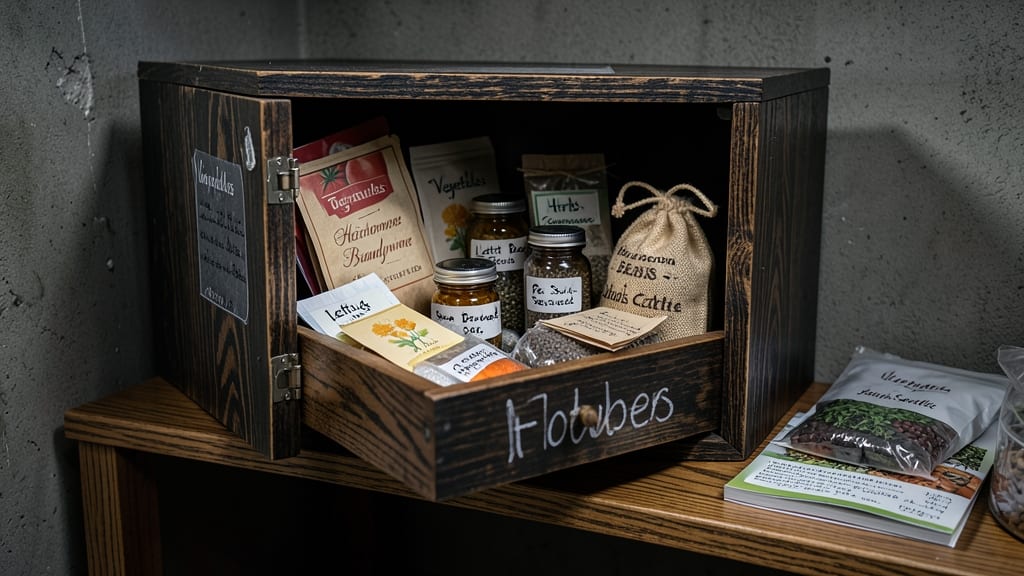
My seed storage cabinets saved my heirloom tomato seeds from turning to dust after just two years. 🌱 The right humidity and temperature make all the difference—without them, seeds lose viability faster than you'd think.
I learned this the hard way when my prized 'Brandywine' seeds sprouted at only 30% last spring.
These cabinets aren’t just fancy boxes—they’re climate-controlled environments that mimic ideal seed storage conditions. You’ll need one that maintains 30-40% humidity and stays between 32-41°F, whether it’s a dedicated seed vault, a repurposed metal cabinet with a dehumidifier, or even a well-insulated wooden box with silica gel packets.
Properly stored seeds can last decades—some heirloom varieties even survive centuries. The key is organization: label everything, rotate older seeds to the front, and check moisture levels every few months. A little effort now means you’ll always have fresh seeds ready for planting.
Perfect for serious gardeners, heirloom collectors, or anyone who wants to be prepared for planting setbacks. Here’s how to choose and maintain the right setup for your needs.
📚 In This Guide
- What you need
- Instructions
- Tips and common mistakes
- Wrapping up and next steps
What you need
- ● Seed Storage Cabinet: Humidity-controlled (30-50% RH) and temperature-regulated (32–41°F / 0–5°C) model
- ● Size based on seed volume (e.g., 2–10 cubic feet for small collections, larger for bulk storage)
- ● Desiccant Packs: Silica gel or clay-based (5–10 packs, depending on cabinet size)
- ● Seed Storage Containers: Mylar bags with zipper seals (for individual seed packets)
- ● Airtight glass jars or metal tins (for bulk storage)
- ● Hygrometer & Thermometer: Digital probes for real-time monitoring
- ● Labeling Supplies: Waterproof labels, permanent markers, or a labeling system
- ○ Vacuum Sealer (Optional but Recommended): For long-term seed preservation
- ● UV-blocking window film (if cabinet has glass)
- ● Backup power supply (for temperature control during outages)
- ● Aluminum foil liners (for extra moisture resistance)
- ● Seed catalog or digital inventory software (for tracking)
How to set up a humidity-controlled seed storage cabinet
Preserving seed viability for years isn't magic—it's science. Here's how to create the perfect climate-controlled environment for your seeds.
🪴 Step 1: Select and Prepare the Storage Container
Choose a 20-30 gallon airtight container with a tight-sealing lid—glass or high-quality plastic works best. I prefer clear plastic bins because they let me monitor seed packets without opening the cabinet. Clean it thoroughly with a 10% bleach solution (1 part bleach to 9 parts water) and rinse completely to remove any chemical residues that could damage seeds.
Line the bottom with 2-3 layers of silica gel packets (available at hardware stores) or uncooked rice (a natural moisture absorber). Place them in a breathable fabric pouch or spread them evenly across the bottom. This creates a moisture barrier that prevents condensation from forming inside the cabinet.
☀️ Step 2: Control Temperature and Light Exposure
Position your cabinet in a cool, dark location—ideal temperatures range between 32-41°F. A basement, root cellar, or refrigerator (without the light) works perfectly. Avoid areas near appliances that generate heat or humidity, like laundry rooms or above ovens.
If using a refrigerator, place a small thermometer/hygrometer inside to monitor conditions. Seeds stored above 50°F lose viability faster—watch for temperature fluctuations that could trigger mold growth. For extra protection, wrap seeds in moisture-resistant Mylar bags before placing them in the cabinet.
💧 Step 3: Regulate Humidity for Long-Term Viability
Seeds need 30-50% relative humidity to stay viable for decades. Check humidity levels weekly using a digital hygrometer—most seed storage cabinets include one. If humidity rises above 50%, add more silica gel or rice to absorb excess moisture.
If humidity drops below 30%, place a small open container of distilled water inside the cabinet. The water will slowly evaporate, increasing humidity without risking condensation. Never use tap water—minerals can contaminate seeds. Rotate silica gel packets every 3-6 months by baking them at 200°F for 2 hours to restore their moisture-absorbing properties.
⏰ Step 4: Organize and Monitor Seed Packets
Label each seed packet with the variety name, storage date, and germination test date (usually 2-5 years after purchase). Store them in small, resealable bags or glass vials to prevent moisture transfer between different seed types. Keep a master inventory list outside the cabinet to track what you've stored.
Test a sample of each seed variety every 1-2 years by planting a few seeds in moist paper towels. If germination rates drop below 80%, replace those seeds. This simple check ensures you're always using viable seed stock. Rotate packets occasionally to prevent any single type from being buried and forgotten.
✂️ Step 5: Maintain and Troubleshoot Long-Term
Every 6 months, inspect the cabinet for signs of mold, condensation, or pest activity. If you spot mold, remove all seeds immediately, clean the cabinet with vinegar solution, and replace all moisture-absorbing materials. For pest prevention, add a small bay leaf or cedar block to the cabinet—natural repellents that won't harm seeds.
If seeds develop a musty smell or discoloration, they've been exposed to too much humidity. Discard them immediately—affected seeds won't germinate. Regular maintenance keeps your cabinet running smoothly for 10+ years, preserving seeds for generations of gardeners.
Tips & tricks for perfect seed storage cabinets
These essential strategies will help you maintain optimal seed viability for decades—without the guesswork.
Container Material Matters: While both glass and plastic work, I've found that clear plastic bins offer the best balance—you can visually inspect seed packets without compromising airtightness. For long-term storage beyond 10 years, glass containers provide slightly better moisture resistance, but they require more careful monitoring since you can't see inside. Always choose containers with gasket-style seals to prevent air exchange.
Moisture Absorption Strategy: The 2-3 layers of silica gel packets or uncooked rice at the bottom create a critical moisture gradient. For extra protection, especially in humid climates, I recommend placing an additional layer of silica gel in a breathable mesh bag near the top of the cabinet. This creates a moisture buffer zone that prevents condensation from forming on the seeds themselves.
Temperature Stability Tip: The 32-41°F range is non-negotiable for long-term seed storage, but achieving consistent temperatures requires planning. If using a refrigerator, position the cabinet on the middle shelf where temperature fluctuations are minimal. For basement storage, place a small thermometer inside and consider adding a thermostatic fan to circulate cool air evenly. Even small temperature swings above 50°F can accelerate seed aging.
Germination Testing Protocol: The 1-2 year germination test is your best quality control measure. I've found that testing 5 seeds per variety gives statistically reliable results—if 4 or fewer germinate, it's time to replace that batch. For heirloom seeds, consider testing every 6 months to catch viability drops early. Keep a dedicated germination journal to track results by variety and storage duration.
Pro Tips for Seed Storage Cabinets
- These essential strategies will help you maintain optimal seed viability for decades—without the guesswork.
- Container Material Matters: While both glass and plastic work, I've found that clear plastic bins offer the best balance—you can visually inspect seed packets without compromising airtightness.
- Moisture Absorption Strategy: The 2-3 layers of silica gel packets or uncooked rice at the bottom create a critical moisture gradient.
Frequently asked questions
Got questions about keeping your seeds safe and sound? Here are some of the most common ones—plus straightforward answers to help you make the best choice for your seed storage needs.
What temperature is best for long-term seed storage in a humidity-controlled cabinet?
Aim for 32–41°F (0–5°C) for optimal viability. Cooler temps slow seed aging, while humidity control (40–60%) prevents mold or premature sprouting. Most cabinets offer adjustable settings—just check the specs to match your climate goals!
How long can seeds stay viable in a seed storage cabinet?
With ideal conditions (cool, dry, dark), many seeds last 5–10+ years. For example, tomato seeds may stay good for 4–6 years, while bean seeds can last 2–3 years. Always check seed packets for specific lifespans—your cabinet just helps preserve them longer!
Are seed storage cabinets worth the investment compared to DIY solutions?
If you’re storing high-value or heirloom seeds, a cabinet is a smart move—it’s precise, space-efficient, and protects against pests. DIY options (like mason jars in the fridge) work short-term, but cabinets add convenience, monitoring, and peace of mind for serious gardeners.
How do I keep pests out of my seed storage cabinet?
Start with a hermetic seal—most cabinets have airtight doors. Add silica gel packets or cedar blocks inside to deter insects. Avoid storing seeds near windows or damp areas, and inspect for critters (like weevils) before sealing. Pro tip: Freeze seeds for 48 hours if you suspect infestations!
Can I use a seed storage cabinet for other climate-sensitive items?
These cabinets are great for spices, tea, coffee, or even craft materials—anything that needs a stable, dry environment. Just avoid storing foods with strong odors (like garlic) near seeds, as they can transfer smells. Think of it as a multi-purpose climate shield!
Wrapping up and next steps
Investing in a humidity-controlled seed storage cabinet is a game-changer for preserving your garden’s future—no more wasted seeds or failed sprouts! 🌱 These cabinets create the perfect environment to keep seeds viable for years, ensuring you’re always ready for planting season.
Whether you’re a seasoned gardener or just starting, this small upgrade saves time, money, and frustration.
Ready to take the next step? Start by assessing your seed collection’s needs—then choose a cabinet that fits your space and budget! Your future harvests will thank you.