
Lawn
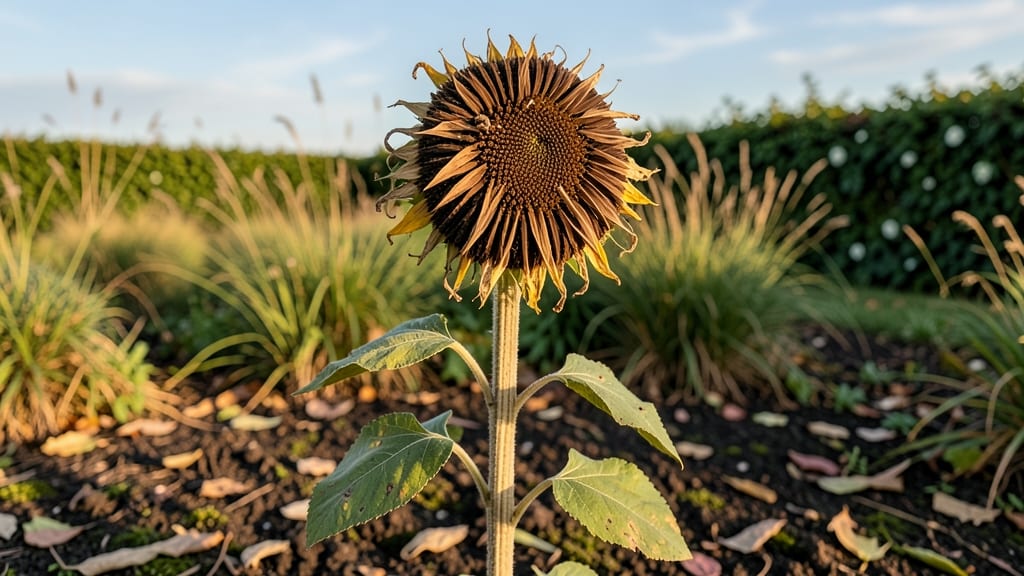
Growing sunflower seed heads that actually produce blooms next season is all about timing and technique. 🌻 I've saved dozens of seed heads from ending up as bird feeders too early by mastering the dormancy-breaking process—here's how to do it right.
The key is harvesting seed heads when they're fully mature but still attached to the plant. Look for brown, papery petals and dry centers—this usually happens in late fall, depending on your climate. Once harvested, you'll need to dry them properly to break dormancy before storage.
With the right drying and storage methods, you'll end up with seed heads that sprout reliably the following spring. The process takes about 2-3 months from harvest to ready-to-plant seeds, and the results are worth every bit of patience.
Whether you're saving seeds for next year's garden or creating rustic bird feeders, these techniques ensure you get the most out of your sunflowers. Let's get those seed heads ready for action!
📚 In This Guide
- What you need
- Instructions
- Tips and common mistakes
- Wrapping up and next steps
What you need
- ● Sunflower seed heads: 5–10 mature, dried heads (harvested from last season or purchased). Ensure they’re fully dry and free of mold.
- ● Scissors or pruning shears: Sharp, clean tools for trimming seed heads (sterilize with rubbing alcohol if reusing).
- ● Paper towels or newspaper: 2–3 sheets to line a tray or container for drying.
- ● Plastic bag (resealable): 1 gallon-sized bag for stratification (ensure it’s clean and dry).
- ○ Water spray bottle: For gentle misting (optional but helpful for humidity control).
- ● Planting pots or trays: 4–6 small pots (3–4 inches deep) with drainage holes, or a seed-starting tray.
- ● Potting mix: 1 bag of high-quality, well-draining seed-starting mix (avoid garden soil—it’s too dense!).
- ● Grow lights or sunny windowsill: A spot with 6–8 hours of indirect light daily (or a grow light for 12–16 hours if natural light is lacking).
- ● Labeling tags: Small sticks or plant markers to track seed head varieties.
- ○ Heat mat (optional): For faster germination (set to 70–75°F).
- ● Fertilizer (balanced, water-soluble): Diluted to half-strength for young seedlings (e.g., 10-10-10).
- ● Humidity dome or plastic wrap: To retain moisture during early growth.
- ○ Thermometer (optional): To monitor stratification temps (ideal: 35–45°F).
Step-by-step instructions for growing sunflowers from seed heads
Here’s how to coax new blooms from old sunflower seed heads—no fancy tricks, just reliable techniques.
🌱 Step 1: Harvest and Dry the Seed Heads
Cut sunflower seed heads when the petals droop and turn brown, but before they shatter. Hang them upside down in a dry, well-ventilated spot for 2-3 weeks—think garage or basement with airflow. You’ll know they’re ready when the back of the head feels dry and papery to the touch. Store the dried heads in a paper bag until planting time.
Don’t rush this step. If heads aren’t fully dry, stored seeds may rot or fail to germinate. I like to check weekly by gently squeezing a seed—if it cracks easily, it’s ready.
☀️ Step 2: Stratify Seeds for Better Germination
Sunflower seeds need a cold treatment to break dormancy. Place dried seeds in a sealed plastic bag with a damp paper towel, then refrigerate for 7-14 days. This mimics winter conditions and tricks seeds into thinking spring has arrived. Check moisture weekly—seeds should stay damp but not soggy.
After stratification, remove seeds and let them dry slightly before planting. This prevents mold. I’ve found that 10 days is plenty for most varieties, but if your climate is warm, err on the longer side.
🪴 Step 3: Plant Seeds in Well-Draining Soil
Sow seeds ½ inch deep in loose, well-draining soil after the last frost when soil temps reach 60°F. Space them 6 inches apart in rows 18 inches apart for full sun exposure. Water gently but thoroughly—sunflowers hate soggy roots. You’ll see sprouts in 7-14 days, depending on warmth.
If planting in containers, use pots at least 12 inches deep with drainage holes. Sunflowers need room to grow, so don’t crowd them. I’ve had success with 5-gallon buckets for single plants.
💧 Step 4: Water and Fertilize for Strong Stems
Keep soil consistently moist but not waterlogged—1 inch of water per week is ideal. Once seedlings reach 6 inches tall, switch to deep watering 2-3 times weekly to encourage root growth. Fertilize lightly with a balanced 10-10-10 formula when plants are 4-6 inches tall, then again when buds form.
Watch for leggy growth—a sign of too little light. If stems stretch thin, move plants to a sunnier spot or add a grow light for 14 hours daily. Strong stems support those massive blooms.
✂️ Step 5: Deadhead and Support for Longer Blooms
Once flowers fade, snip off the spent blooms 2 inches below the head to redirect energy to new growth. This encourages secondary blooms in some varieties. Stake tall varieties (like ‘Mammoth’) with 3-foot stakes at planting to prevent wind damage.
Harvest seed heads again when they dry, and repeat the process next season. With proper care, you’ll get reliable blooms year after year—no need to buy new seeds!
Tips & tricks for perfect sunflower seed head regrowth
These simple strategies will help you turn old sunflower seed heads into thriving new plants with minimal fuss.
Harvesting Timing: The key to successful seed head regrowth starts with harvesting at just the right moment. Cut your seed heads when the petals have fully drooped and turned brown, but before any seeds begin to scatter. I’ve found that harvesting too early means seeds aren’t fully mature, while waiting too long risks losing seeds to birds or wind. If you’re unsure, check by gently squeezing a seed—it should crack easily when fully dry, which usually takes that full 2-3 weeks of drying time.
Stratification Secrets: Don’t skip the cold treatment! Sunflower seeds have natural dormancy that prevents them from germinating right away. The 7-14 days of refrigeration mimics winter conditions and tricks seeds into thinking spring has arrived. I’ve had the best luck with 10 days for most varieties, but if you live in a warmer climate, you might need the full two weeks. Pro tip: Use a clear plastic bag so you can check moisture levels without opening it—seeds should stay damp but never soggy.
Soil Preparation: Sunflowers thrive in well-draining soil, but don’t overlook the importance of soil temperature. Wait until your soil reaches 60°F before planting, as cooler temperatures can slow germination. If you’re planting in containers, make sure they’re at least 12 inches deep—sunflowers have surprisingly deep root systems. I’ve used 5-gallon buckets successfully for single plants, but larger containers give them more room to grow. For in-ground planting, space seeds 6 inches apart in rows 18 inches apart to give them plenty of room to reach for the sun.
Light Requirements: Sunflowers are sun lovers, but they can get leggy if they don’t get enough light early on. If your seedlings start stretching too tall too quickly, it’s a sign they need more light. Move them to a sunnier spot or add a grow light for 14 hours daily to keep them sturdy. Strong stems are essential—they support those massive blooms we’re all after. I’ve found that providing consistent light from the start prevents this common issue entirely.
Pro Tips for Sunflower Seed Head
- These simple strategies will help you turn old sunflower seed heads into thriving new plants with minimal fuss.
- Harvesting Timing: The key to successful seed head regrowth starts with harvesting at just the right moment.
- Stratification Secrets: Don’t skip the cold treatment!
Frequently asked questions
Got questions about sunflower seed heads?
You’re not alone! Whether you’re a gardener troubleshooting dormancy or a curious plant lover, here are answers to the most common queries—plus a few pro tips to keep your sunflowers thriving.
How do I know if my sunflower seed head is truly dormant?
A dormant sunflower seed head will feel completely dry and brittle—like crumbling paper. Tap it gently; if no seeds rattle inside, it’s ready for dormancy-breaking. Avoid storing heads that still have moisture or green stems, as they’ll mold. Pro tip: Store them in a paper bag with a silica gel packet to absorb excess moisture.
How long does it take to break dormancy in sunflower seed heads?
Most sunflower seed heads need 4–8 weeks of cold stratification (mimicking winter) to break dormancy. Place them in a sealed container with damp peat moss or sand in the fridge (34–40°F). Check weekly—if sprouts appear before 4 weeks, they’re ready to plant! Speed up germination by soaking heads in warm water for 24 hours before planting.
Can I plant sunflower seed heads directly into the ground?
Yes! Once dormancy is broken (sprouts appear or after 8 weeks of stratification), plant heads 2–3 inches deep in well-drained soil, spacing them 12–18 inches apart. They’ll germinate faster in warm soil (60°F+). For cooler climates, start indoors 4–6 weeks before the last frost. Mulch lightly to retain warmth and moisture.
Why aren’t my sunflower seeds sprouting after stratification?
Common culprits: old seeds (sunflower seeds lose viability after 2–3 years), rot from too much moisture, or planting too deep. Try these fixes:
- Test viability by cutting open a seed—if the kernel is hard and white, it’s good.
- Re-stratify for another 4 weeks if seeds feel damp.
- Plant shallower (1 inch deep) in loose, warm soil.
Are there alternatives to growing from seed heads?
If seed heads fail, try:
- Transplants: Buy young sunflower starts from nurseries for a head start.
- Store-bought seeds: Opt for hybrid varieties (e.g., ‘Mammoth’) for higher germination rates.
- Cut flowers: Buy blooming sunflowers and let them go to seed—then repeat the dormancy process!
Wrapping up and next steps
Growing sunflowers from seed heads is a rewarding journey that blends patience with nature’s beauty! 🌻 By mastering dormancy-breaking techniques—like cold stratification or soaking—you’ll unlock vibrant blooms that brighten any garden. Whether you’re a seasoned gardener or just starting, these tricks make success easier and more predictable.
Ready to plant your seeds? Start by gathering fresh, dry seed heads, then follow the steps above to kickstart germination. Before you know it, your garden will be buzzing with life—and maybe even a few sunflower-loving pollinators! 🐝