
Lawn
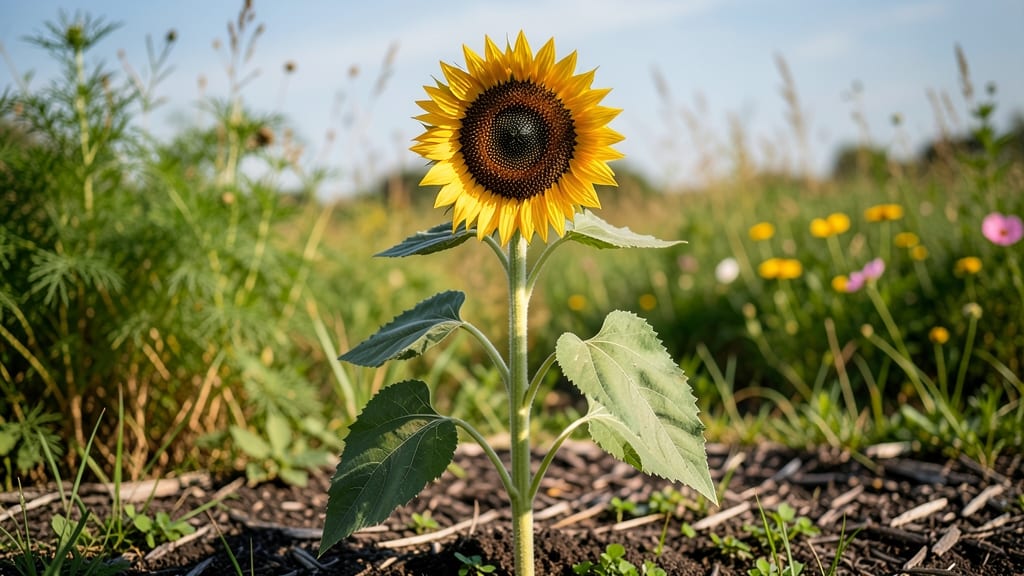
Growing black seed sunflowers from store-bought seeds is the fastest way to get towering blooms by summer. 🌻 I’ve learned that skipping the dormancy-breaking step means waiting weeks for germination—or worse, giving up when nothing sprouts.
These sunflowers aren’t just pretty; their seeds are edible and packed with nutrients, making them a standout in any garden.
The secret to fast, reliable growth starts with soaking seeds overnight to break dormancy, then planting them just ½ inch deep in loose, well-draining soil. They crave full sun (at least 6-8 hours daily) and consistent moisture, especially during their first month.
Even in cooler zones (like mine in Zone 5), they thrive if planted after the last frost—no fuss, just patience.
By mid-summer, you’ll watch them shoot up to 6-8 feet tall, their dark centers contrasting beautifully against the golden petals. The seeds mature in about 90 days, and once harvested, they’re ready to roast or plant for next year.
Plus, birds and pollinators adore them, turning your garden into a lively hub.
Works for beginners and seasoned gardeners alike—just adjust spacing (12-18 inches apart) based on your plot size. Here’s how to make it foolproof, even if you’ve struggled with sunflowers before.
📚 In This Guide
- What you need
- Instructions
- Tips and common mistakes
- Wrapping up and next steps
What you need
- ● Black seed sunflower seeds: 50–100 seeds (organic, non-GMO preferred for best results).
- ● Seed-starting trays or biodegradable pots: 2–4 inch deep (1–2 trays or 12–24 pots).
- ● Potting mix: Lightweight, well-draining blend (e.g., 50% peat moss, 30% perlite, 20% vermiculite).
- ● Grow lights or sunny windowsill: 6+ hours of light daily (or a sunny outdoor space after last frost).
- ● Watering can or spray bottle: With a fine mist setting for gentle hydration.
- ○ Plant labels: To track varieties (optional but helpful!).
- ● Scissors or pruners: For transplanting (sterilized with rubbing alcohol).
- ● Seed stratification kit: If breaking dormancy (e.g., damp paper towels in a sealed bag for 1–2 weeks).
- ● Heat mat: For faster germination (70–75°F ideal).
- ● Fertilizer: Balanced 10-10-10 or compost tea (diluted to half-strength).
- ● Mulch: Straw or wood chips to retain moisture post-transplant.
- ● Stakes or cages: For tall varieties (4–6 feet).
Step-by-step instructions for cultivating black seed sunflowers
Here’s how I break dormancy and coax these dramatic bloomers into action—no waiting seasons.
🌱 Step 1: Stratify Seeds to Break Dormancy
Sunflower seeds have a hard outer shell that blocks water absorption, so I start by scarifying them. Place seeds between two damp paper towels in a sealed plastic bag. Store them in the refrigerator for 7-10 days—this mimics winter’s chill and triggers germination. Check daily; the towels should stay damp but not soggy. You’ll see tiny cracks appear in the seed coats after 3-5 days.
Don’t skip this step. Unstratified seeds may sprout erratically or not at all, leaving you frustrated by slow growth. I like to label the bag with the date so I don’t forget when to move them out. Once the seeds show signs of softening, they’re ready for planting.
☀️ Step 2: Plant in Warm, Well-Draining Soil
After stratification, sow seeds ½ inch deep in loose, fertile soil that drains quickly—sunflowers hate soggy roots. I use a mix of 50% potting soil and 50% perlite to ensure aeration. Space seeds 6 inches apart in rows 18 inches apart to give mature plants room to spread. Warm soil speeds germination, so wait until nighttime temperatures stay above 55°F.
Water gently after planting—just enough to moisten the soil without displacing seeds. I use a fine-mist spray bottle to avoid washing seeds deeper into the soil. Keep the soil consistently moist but never waterlogged until seedlings emerge. You’ll spot the first sprouts in 7-14 days, depending on soil warmth.
💧 Step 3: Provide Full Sun and Consistent Moisture
Sunflowers thrive in full sun (6-8 hours daily), so choose a south-facing spot or use a grow light if starting indoors. I position my seedlings under a T5 fluorescent grow light for 12-14 hours daily until they’re hardy enough for outdoor transplanting. Rotate the tray daily to prevent leggy growth—you’ll see stems stretch toward the light if they’re not getting enough.
Water deeply twice weekly once seedlings reach 4 inches tall, allowing the top 2 inches of soil to dry between waterings. Overwatering leads to root rot, so I check soil moisture with my finger before watering. Fertilize lightly with a balanced 10-10-10 mix every 4 weeks to encourage strong stems and vibrant blooms.
✂️ Step 4: Thin and Support for Maximum Blooms
When seedlings reach 3-4 inches tall, thin them to the strongest plant per spot, snipping weaker stems at the base. This reduces competition and ensures your sunflowers grow tall and sturdy. I leave the thinned seedlings in a shaded area to dry out before composting—they’re still useful for mulch.
As plants grow, install 6-foot stakes or a sturdy trellis to support their weight. Tie stems loosely with soft garden twine every 2 feet to prevent snapping in wind. You’ll notice buds forming at the top of the stem around 6-8 weeks after planting—this is when the magic happens. Remove any side buds to direct energy into the main bloom.
⏰ Step 5: Harvest Seeds for Next Season
Once the flower head turns brown and the back turns yellow, it’s time to harvest. Cut the head and hang it upside down in a dry, well-ventilated spot for 2-3 weeks to fully dry. Shake the head gently over a tray to collect seeds—you’ll hear them rattle when ready. Store seeds in a cool, dark place for up to 2 years.
Here’s the trick: save the largest, darkest seeds for replanting. I label each batch with the year and variety to track performance. With proper care, your black sunflower seeds will produce dramatic blooms year after year—no dormancy struggles required.
Tips & tricks for perfect black seed sunflower growth
Here's how to accelerate your sunflower growth while avoiding the most common pitfalls that slow down results.
Stratification Success: The 7-10 day refrigerator period is non-negotiable for breaking dormancy, but here's the secret: place a small dish of water under your sealed bag to maintain consistent humidity without over-saturating. I've found that checking seeds every 2-3 days (instead of daily) still works perfectly while saving you time. Look for that first tiny crack in the seed coat—it's your signal that germination is about to begin.
Soil Temperature Secret: While the instructions specify waiting for nighttime temperatures above 55°F, I've discovered that using a seedling heat mat set to 70°F can cut your germination time by nearly half. Just place the mat under your planting tray for 24 hours after sowing. The key is to maintain this warmth consistently—fluctuations will slow down sprouting.
Lighting Optimization: Those 12-14 hours of daily grow light exposure are perfect, but here's what I do differently: I use a timer to automatically turn the lights on at 6am and off at 8pm, which gives me that exact window without needing to remember. For extra vigor, I add a small fan on low to create gentle airflow—this strengthens stems from day one and prevents leggy growth.
Harvesting Hack: When harvesting seeds, I've found that cutting the flower head and hanging it in a paper bag (with holes for ventilation) works just as well as a tray. The bag collects all the seeds in one place when you shake it, and you can easily tie the top closed to prevent any from escaping. Store the bag in a cool, dark place with a humidity packet to maintain ideal conditions.
Pro Tips for Black Seed Sunflowers
- Here's how to accelerate your sunflower growth while avoiding the most common pitfalls that slow down results.
- I've found that checking seeds every 2-3 days (instead of daily) still works perfectly while saving you time.
- Soil Temperature Secret: While the instructions specify waiting for nighttime temperatures above 55°F, I've discovered that using a seedling heat mat set to 70°F can cut your germination time by nearly half.
Frequently asked questions
Got questions about growing black seed sunflowers?
Here are answers to the most common ones—from dormancy tricks to troubleshooting—so you can get those bold blooms thriving in no time!
How do I break dormancy for black seed sunflowers?
Black seed sunflowers often need a cold treatment (stratification) to break dormancy. Soak seeds in water for 24 hours, then mix them with damp sand or peat moss and refrigerate for 1–2 weeks. Plant after the last frost when soil is at least 55°F (13°C). For faster results, try a hot/cold cycle: soak seeds in warm water for 12 hours, then refrigerate for 24 hours before planting.
How long does it take for black seed sunflowers to germinate?
With proper dormancy-breaking, germination usually happens in 7–14 days after planting. Keep soil consistently moist (not soggy!) and in a warm spot (ideally 70–80°F / 21–27°C). If seeds don’t sprout in 3 weeks, they may need another round of stratification or could be old—try fresh seeds!
Can I grow black seed sunflowers indoors?
Yes! Start seeds indoors 4–6 weeks before the last frost in pots with well-draining soil. Use a grow light (sunflowers need 6+ hours of light daily) and transplant outdoors once seedlings are 3–4 inches tall and soil is warm. Pro tip: Harden off seedlings gradually to avoid transplant shock—acclimate them to outdoor temps over 5–7 days.
What should I do if my sunflower seeds sprout but then die?
Common culprits include overwatering (root rot), temperature swings (below 50°F / 10°C), or poor drainage. Ensure pots/direct soil have drainage holes, water only when the top inch is dry, and keep seedlings in a consistently warm spot. If mold appears, reduce moisture and improve airflow with a small fan.
Are black seed sunflowers annuals or perennials?
Black seed sunflowers (Helianthus annuus) are annuals, meaning they complete their life cycle in one season. However, some heirloom varieties may self-seed prolifically if left to go to seed! If you love them, let a few flowers mature—you’ll likely get volunteer seedlings next year without replanting.
Wrapping up and next steps
Black seed sunflowers aren’t just stunning—they’re a game-changer for gardeners eager to break dormancy and coax vibrant blooms with ease! 🌻 With the right dormancy-tricking techniques, patience, and a dash of creativity, you’ll soon enjoy their bold beauty and resilience.
Ready to transform your garden? Start by testing a few seeds in small pots this season, then scale up as you master the timing and conditions.
Pro Tip: 🌱 Document your progress! Tracking soil temps, moisture, and light exposure will help you refine your method for next year’s even faster (and happier) blooms.