
Size
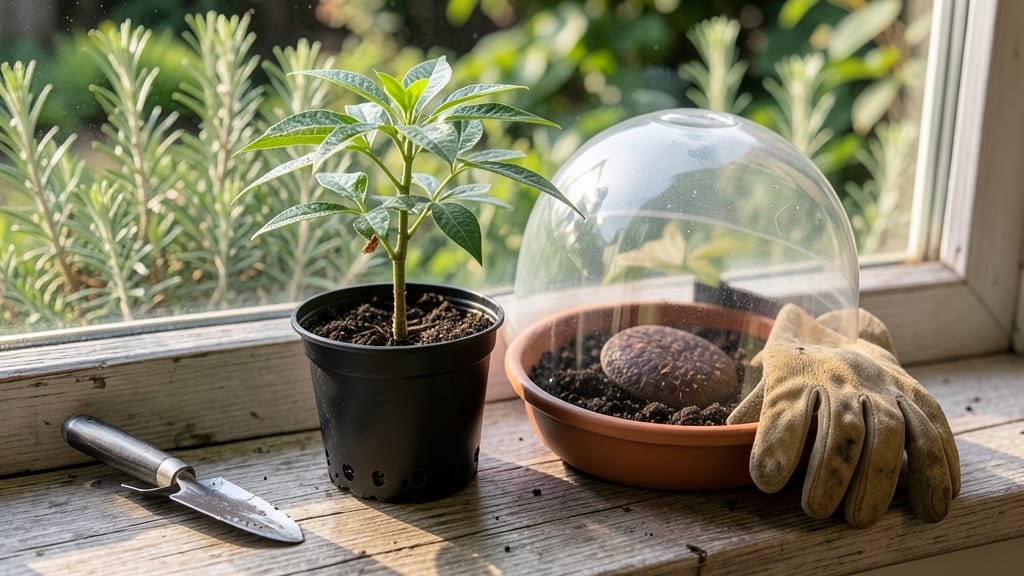
Growing a garden with a starfruit seed unlocks a backyard full of tropical flavor—if you're in the right climate. 🌱 I've nurtured these delicate seedlings through slow starts and stubborn germination, and the sweet, star-shaped fruits are worth every bit of patience.
This isn't a quick project, but the journey turns even a small yard into a mini orchard.
The secret to success lies in mimicking their native tropical conditions: warm soil, bright indirect light, and consistent moisture. Starfruit seeds need 3-6 months to germinate, so start them indoors in spring if you live in cooler zones.
Once sprouted, they crave heat—think 75-85°F days and 60°F nights—and can't handle frost. Patience is key, as mature trees take 5-7 years to bear fruit.
You'll watch those first true leaves unfold like delicate lace, then cheer as the plant grows into a compact, glossy-leaved tree. With proper care, you'll eventually harvest fragrant, five-pointed fruits perfect for fresh eating or cocktails.
The real magic happens when your neighbors ask where you got those exotic-looking fruits—your secret's out.
Perfect for warm climates like Florida, Hawaii, or California, but even northern growers can try them in containers moved indoors during winter. Just remember: starfruit trees need space (15-20 feet at maturity) and won't tolerate cold snaps. Here's how to give them the best start possible.
📚 In This Guide
- What you need
- Instructions
- Tips and common mistakes
- Wrapping up and next steps
What you need
- ● Starfruit seeds: 3–5 fresh, plump seeds (harvested from ripe, organic starfruit—avoid store-bought seeds if treated with chemicals).
- ● Well-draining potting mix: 1–2 gallons of a blend like 50% coconut coir + 30% perlite + 20% compost (sterilized to prevent mold).
- ● Seed-starting trays or small pots: 4–6 biodegradable or plastic pots (3–4 inches deep) with drainage holes.
- ● Plastic wrap or humidity dome: To create a mini greenhouse effect while seeds germinate.
- ● Spray bottle: For gentle watering (avoid soaking the soil).
- ● Grow lights or sunny windowsill: A full-spectrum LED grow light (12–16 hours/day) or a south-facing window (70°F+).
- ● Fertilizer: A balanced liquid fertilizer (5-5-5 or 10-10-10) diluted to half-strength for seedlings.
- ● Trowel or small shovel: For transplanting seedlings into larger containers or garden beds.
- ● Heat mat: Keeps soil warm (75–85°F) to speed up germination.
- ● pH test kit: Starfruit prefers slightly acidic soil (pH 6.0–6.5).
- ● Mulch (e.g., straw or wood chips): Retains moisture and mimics tropical conditions.
- ● Support structure: A small trellis or cage for young plants (starfruit vines can grow 10+ feet!).
- ● Pruning shears: For shaping the plant as it grows.
- ● Organic pest control: Neem oil or insecticidal soap (to deter aphids or scale).
Step-by-step instructions for growing starfruit from seed
Here's how to turn those tiny seeds into a thriving tropical tree in your own garden.
🌱 Step 1: Extract and Prepare the Seeds
Start with fresh starfruit—purchase or harvest fruit that feels heavy for its size and has a vibrant green skin. Cut the fruit in half and scoop out the seeds, which resemble small, flat beans. Rinse them thoroughly under cool water to remove any clinging pulp, then pat dry with a paper towel. The key here is speed: plant the seeds within 24 hours of extraction, as they lose viability quickly. I like to soak them for 12 hours in lukewarm water to soften the outer coating and encourage faster germination.
Use a sharp knife to gently nick the seed coat at one end—this small incision helps water penetrate and speeds up sprouting. Place the prepared seeds in a small container with a damp paper towel, then cover with another towel to maintain moisture. Keep them in a warm spot (75-80°F) until you see the first signs of sprouting, which usually takes 5-10 days. This warm, humid environment mimics their tropical origins and gives them the best start.
🪴 Step 2: Plant in Well-Draining Soil Mix
Fill a 4-inch diameter pot with a light, airy mix designed for tropical plants—combine 50% potting soil, 30% perlite, and 20% coarse sand to ensure excellent drainage. Starfruit trees despise soggy roots, so this blend prevents rot while still retaining enough moisture. Plant each seed about 1/2 inch deep, spacing them 2 inches apart if using multiple pots. Gently firm the soil around the seeds to eliminate air pockets, then water lightly until the surface feels damp but not saturated.
Place the pots in a bright, indirect light location—think 50-70% shade to mimic their natural understory habitat. A south-facing window with sheer curtains works well, or use a grow light set to 12 hours of light daily. Avoid direct sun at this stage; young seedlings are delicate and can scorch easily. Keep the soil consistently moist but never waterlogged—stick your finger in the soil to check. If the top 1/2 inch feels dry, it's time to water again.
💧 Step 3: Transplant and Provide Tropical Conditions
Once the seedlings develop 2-3 sets of true leaves (about 6-8 weeks after planting), it's time to transplant them into individual 6-inch pots. Choose pots with drainage holes and fill them with the same well-draining mix. Gently remove the seedling from its original pot, being careful not to disturb the roots, and place it in the center of the new pot. Fill in around the base with soil, pressing lightly to secure the plant. Water thoroughly after transplanting to help the roots settle into their new home.
Now, it's time to introduce more sunlight. Gradually acclimate the seedlings to morning sun over 7-10 days, increasing exposure by 1 hour daily. After this period, they can handle 4-6 hours of direct sunlight per day, which is crucial for their growth. Maintain 70-85°F temperatures and 60-70% humidity—a humidifier or pebble tray can help if your home runs dry. Fertilize lightly with a balanced, water-soluble fertilizer (10-10-10) diluted to half strength every 4 weeks to encourage steady growth without overwhelming the young plants.
⏰ Step 4: Transition to Outdoor Conditions
When nighttime temperatures consistently stay above 55°F (usually late spring or early summer, depending on your climate), it's time to move your starfruit seedlings outdoors. Choose a location that receives full sun but is sheltered from strong winds. Harden off the seedlings by placing them outside for 2-3 hours on the first day, gradually increasing their outdoor time over 10-14 days. This slow transition prevents shock and helps them adjust to the outdoor environment.
Plant the seedlings in the ground or in 10-12 gallon containers if you're growing in pots. The soil should be well-draining and slightly acidic to neutral (pH 6.0-7.0). Amend the soil with compost or aged manure to provide essential nutrients. Water deeply after planting to help the roots establish, and mulch around the base to retain moisture and regulate soil temperature. Starfruit trees thrive in USDA Hardiness Zones 10-12, so if you live in a colder climate, you'll need to grow them in containers and bring them indoors during winter.
☀️ Step 5: Maintain and Care for Mature Growth
Once established, starfruit trees need regular watering, especially during dry spells. Water deeply 2-3 times per week, allowing the top 2 inches of soil to dry out between waterings. Overwatering can lead to root rot, so always ensure the soil has good drainage. Fertilize every 6-8 weeks with a balanced fertilizer or a citrus-specific formula to promote healthy growth and fruit production. Prune lightly to shape the tree and remove any dead or diseased branches, but avoid heavy pruning, as starfruit trees produce fruit on older wood.
Be patient—starfruit trees grown from seed can take 5-10 years to bear fruit, but the wait is worth it. Watch for signs of pests like aphids or scale insects, and treat them promptly with neem oil or insecticidal soap. With the right care, your starfruit tree will reward you with a bountiful harvest of sweet, tangy fruit that tastes like a tropical vacation in every bite.
Tips & tricks for growing starfruit from seed
Here's the secret to giving your starfruit seeds the tropical head start they deserve—because these little powerhouses need just the right conditions to thrive!
Seed Viability is Time-Sensitive: That 24-hour window after extraction is non-negotiable for starfruit seeds. I've learned this the hard way—seeds left drying out or sitting too long often fail to sprout. If you can't plant immediately, store them in a sealed plastic bag with a damp paper towel inside your fridge (75-80°F is ideal) for up to 3 days. The key is maintaining moisture while preventing mold—think of it like a mini tropical greenhouse environment.
Nick with Precision: When making that tiny incision in the seed coat, precision matters more than you'd think. Use a sharp, sterilized knife to make a small slit—just enough to break the surface without damaging the seed inside. I like to angle the knife slightly to create a tiny flap that can peel back, which gives water better access. This step can cut your germination time in half, from 10 days down to just 5-7 days in optimal conditions.
Soil Mix Secrets: The 50-30-20 ratio of potting soil, perlite, and coarse sand isn't just arbitrary—it's about creating the perfect balance. Starfruit roots need oxygen as much as they need moisture. If you're short on perlite, you can substitute with vermiculite or even small gravel, but avoid anything that compacts easily. Pro tip: Sift your soil mix before planting to eliminate any large chunks that could create air pockets around the delicate seeds.
Light Transition Strategy: That gradual 7-10 day acclimation to morning sun is crucial for preventing transplant shock. I recommend starting with just 30 minutes of morning sun on day one, then adding 30 minutes each subsequent day. You'll notice the leaves develop a deeper green color as they adjust—this is your visual cue that they're handling the increased light. For indoor growers, a simple LED grow light on a timer can replicate those 12 hours of daylight perfectly while you're waiting for outdoor conditions to stabilize.
Pro Tips for Starfruit Seed Grow A Garden
- Here's the secret to giving your starfruit seeds the tropical head start they deserve—because these little powerhouses need just the right conditions to thrive!
- Seed Viability is Time-Sensitive: That 24-hour window after extraction is non-negotiable for starfruit seeds.
- Nick with Precision: When making that tiny incision in the seed coat, precision matters more than you'd think.
Frequently asked questions
Got questions about growing starfruit from seed? You’re not alone!
Here are answers to the most common queries—from timing to troubleshooting—so you can turn those tiny seeds into a thriving tropical garden.
How long does it take for a starfruit seed to sprout?
A starfruit seed typically sprouts within 2–4 weeks if kept warm (70–85°F) and moist. Patience is key—some seeds may take up to 6–8 weeks, especially in cooler climates. Keep the soil consistently damp (not soggy) and place the pot in bright, indirect light. If nothing happens after 8 weeks, the seed may not be viable—try another!
Can I grow starfruit from seed in my climate?
Starfruit (Averrhoa carambola) thrives in USDA Zones 10–11 year-round. In cooler zones (8–9), grow it as a container plant and bring it indoors when temps drop below 40°F. Without frost protection, the plant may struggle or die. If you’re outside its native range, consider micropropagation or purchasing a young tree from a tropical nursery.
Why isn’t my starfruit seedling growing leaves?
Slow or no leaf growth usually means one of three things: not enough light (starfruit loves bright, indirect sunlight), overwatering (root rot is a silent killer), or nutrient deficiency. Check for yellowing leaves (overwatering) or leggy stems (low light). Move your seedling to a south-facing window or under grow lights, and let the top inch of soil dry out between waterings.
How big does a starfruit tree get from seed?
A starfruit tree grown from seed can reach 15–30 feet tall in ideal conditions, though container-grown trees stay smaller (6–10 feet). Prune regularly to control size and encourage bushier growth. If space is limited, opt for dwarf varieties (like ‘Dwarf Starfruit’) or keep it in a large pot. Remember, seed-grown trees may take 5–7 years to bear fruit!
Are there faster alternatives to growing starfruit from seed?
Yes! If you want fruit sooner, skip the seed and buy a 1–2-year-old grafted tree from a nursery. Grafted trees fruit in 2–3 years (vs. 5–10 for seed-grown). For DIYers, air layering a healthy branch from a mature tree is another method—but it requires patience and skill. Pro tip: Check local tropical fruit groups for free plant swaps!
Is starfruit toxic to pets if grown at home?
Starfruit is toxic to dogs and cats due to oxalates, which can cause kidney failure. Keep plants out of reach, and watch for symptoms like drooling, vomiting, or lethargy. If your pet ingests any part of the plant, contact your vet immediately. Fun fact: The fruit is also dangerous for people with kidney disease—always research before harvesting!
Wrapping up and next steps
Growing starfruit from seed is a rewarding adventure that brings a taste of the tropics to your garden! 🌱 With patience and the right care—like warm soil, consistent moisture, and a sunny spot—you can nurture these vibrant plants into fruit-bearing trees.
While it may take years for them to bear fruit, the journey is as exciting as the harvest.
Ready to take the next step? Start by planting those seeds today and watch your tropical oasis grow. Happy gardening! 🌿