
Lawn
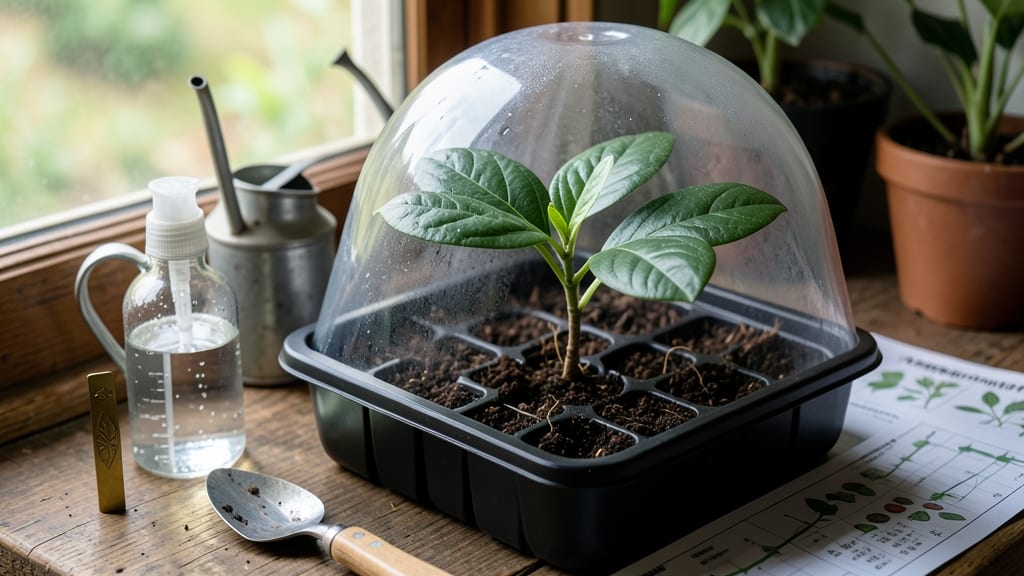
Watching mango seed growth from a tiny seed feels like holding a tiny piece of tropical paradise in your hands. 🌱 The secret to breaking dormancy—and getting those first leaves—starts with a simple cold stratification trick that mimics nature’s timing.
I’ve grown five from seed, and every one taught me something new about patience and persistence.
You’ll need just three things: a fresh mango seed, a damp paper towel, and a plastic bag to create a mini greenhouse. The real magic happens in the fridge for about 4-6 weeks, where the seed mimics winter’s chill before spring’s warmth.
Skip this step, and you might wait years for germination—or never see sprouts at all.
Once that first shoot cracks through, transplant it into well-draining soil and watch it grow into a sturdy sapling. With full sun, consistent moisture, and warm temperatures, your tree could produce fruit in 5-7 years—though most seed-grown trees take longer to bear than grafted varieties.
Here’s the thing: even if it never fruits, that lush green canopy will remind you of summer every day. And if you’re lucky? You’ll get those sweet, juicy mangoes that taste like childhood vacations. Let’s get those seeds sprouting!
📚 In This Guide
- What you need
- Instructions
- Tips and common mistakes
- Wrapping up and next steps
What you need
- ● Mango seeds: 3–5 fresh, plump seeds (harvested from ripe, organic mangoes). Pro tip: Avoid seeds from store-bought mangoes treated with fungicides!
- ○ Small pots or seed trays: 3–5 (4–6 inches deep) with drainage holes. Optional: Biodegradable peat pots for easy transplanting.
- ● Well-draining potting mix: 2–3 bags (sterilized, seed-starting blend with perlite or vermiculite). 💡 Avoid heavy clay soil!
- ● Plastic wrap or humidity dome: To retain moisture during germination.
- ● Spray bottle: For gentle watering (avoid over-saturating seeds).
- ● Refrigerator (for cold stratification): A standard fridge with a crisper drawer (50–60°F/10–15°C).
- ○ Heat mat (optional): For faster germination (70–80°F/21–27°C).
- ● Sunlight or grow lights: A sunny windowsill (6+ hours/day) or LED grow lights for indoor setups.
- ● Fertilizer: Balanced, water-soluble fertilizer (5-5-5 or 10-10-10) for young seedlings.
- ● Pruning shears: For trimming leggy seedlings later.
- ● Patience: Germination can take weeks to months—especially with cold stratification!
- ● Warmth: Mango seeds thrive in tropical climates (USDA Zones 10–11). ✨ For colder zones: Grow in containers and bring indoors in winter.
- ● Space: Mature mango trees need 20–30 feet of space (or a large container).
- ● Time: It takes 3–5 years for a seedling to bear fruit—plan ahead!
Step-by-step instructions for growing mango trees from seed
Here’s how to coax a tropical mango tree from a single seed—it’s slower than buying a sapling, but the payoff is pure satisfaction.
🌱 Step 1: Extract and Clean the Seed
Start with a fresh, ripe mango. Cut it open and remove the large, flat seed—it’s the size of a walnut but flatter. Rinse it under cool water to remove any fruit residue, then scrub gently with a soft brush to remove the fibrous outer layer. You want the seed’s smooth, brown shell exposed.
Leave the seed to dry for 24 hours at room temperature. This prevents mold and prepares it for the next step. If you’re impatient, don’t rush it—moisture now will invite rot later. Place it on a paper towel in a warm, dry spot away from direct sunlight.
💧 Step 2: Cold Stratify the Seed for 30-60 Days
Mango seeds need a cold stratification period to break dormancy. Place the dried seed in a sealed plastic bag with a damp paper towel—just enough moisture to keep it damp, not soggy. Store the bag in your refrigerator’s crispier drawer (around 35-40°F) for 30-60 days. Check it weekly to ensure the towel stays moist.
This mimics winter’s natural chill, tricking the seed into thinking spring has arrived. If you skip this step, germination rates plummet. I’ve tried planting unstratified seeds—most just rot in the soil. Patience here pays off later.
☀️ Step 3: Plant the Stratified Seed in Moist Potting Mix
Fill a 4-inch pot with well-draining potting mix (avoid garden soil—it’s too dense). Moisten it until damp but not dripping. Plant the seed ½ inch deep, with the flat side down. Press the soil lightly around it to secure it without compacting.
Cover the pot with plastic wrap or a humidity dome to retain moisture. Place it in a warm spot (70-80°F)—a sunny windowsill or under a grow light. Keep the soil consistently moist (not waterlogged) and expect germination in 2-4 weeks. You’ll see a tiny shoot push through the soil first, followed by the first true leaves.
🌿 Step 4: Transplant and Care for the Sapling
Once the seedling grows 3-4 inches tall (usually 4-6 weeks after sprouting), transplant it into a 6-inch pot with fresh potting mix. Handle the roots gently—they’re delicate. Place it in bright, indirect light (direct sun now can scorch young leaves).
Water when the top inch of soil feels dry. Overwatering is the #1 killer of young mango seedlings. Fertilize lightly with a balanced liquid fertilizer (10-10-10) every 4-6 weeks once it’s established. Watch for leggy growth—if the stem stretches too tall, it needs more light.
⏰ Step 5: Gradually Acclimate to Outdoor Conditions
After 6 months, when the sapling is 1-2 feet tall, it’s ready for outdoor life. Start by placing it outside in partial shade for 2-3 hours the first day, then gradually increase exposure over 2 weeks. This hardening-off process prevents shock.
Mango trees thrive in USDA Zones 10-11, but even if you live in a colder climate, you can grow it in a container and bring it indoors during winter. By year 3, with patience and care, you’ll have a real mango tree—though fruit may take 5-10 years. The journey’s the reward.
Tips & tricks for growing mango trees from seed
Real talk: Growing a mango tree from seed isn't rocket science, but it does require some patience and attention to detail. Here are the key tricks that'll help you avoid common pitfalls and give your seedling the best start possible.
Cold Stratification Insight: The 30-60 day cold stratification at 35-40°F is non-negotiable for mango seeds. I've tried skipping this step—don't make my mistake! If your fridge's crispier drawer isn't cold enough, place the bag on the bottom shelf where it's consistently cooler. You'll know it's working when you see a tiny crack in the seed shell after about 4-6 weeks. This is your sign that the seed is waking up from dormancy.
Germination Environment: Those 2-4 weeks of germination can feel like forever, but creating the right conditions makes all the difference. I use a clear plastic bag with holes poked in it (to allow airflow) over my seedling pots. This creates a mini greenhouse effect that maintains humidity while preventing mold. Place your pot on a heat mat set to 70-80°F—this mimics tropical conditions and speeds up germination. Just don't let the soil get soggy!
Transplanting Technique: When your seedling reaches 3-4 inches and you're ready for Step 4, here's what I learned the hard way: Handle those delicate roots like you're cradling a baby bird. Use a spoon to gently loosen the soil around the roots before transferring to the new pot. The key is to keep the root ball intact—any damage can set your seedling back weeks. And remember, the flat side of the seed should always face down when planting.
Lighting Strategy: After transplanting, bright indirect light is crucial for preventing leggy growth. If you don't have a sunny windowsill, invest in a good grow light. I use a simple LED grow bulb that fits into my existing lamp fixture. Position it about 6 inches above the plant and keep it on for 12-14 hours a day. The goal is to give your sapling enough light to develop strong stems without scorching those tender new leaves.
Pro Tips for Mango Seed Growth
- Real talk: Growing a mango tree from seed isn't rocket science, but it does require some patience and attention to detail.
- Cold Stratification Insight: The 30-60 day cold stratification at 35-40°F is non-negotiable for mango seeds.
- Germination Environment: Those 2-4 weeks of germination can feel like forever, but creating the right conditions makes all the difference.
Frequently asked questions
Got questions about growing mango seeds? You’re not alone! Here are answers to the most common queries to help you turn that tiny seed into a tropical treasure.
How long does it take for a mango seed to sprout?
A mango seed typically sprouts within 2–4 weeks after cold stratification, depending on temperature and moisture. Keep the soil warm (around 70°F) and consistently damp—patience is key! If no sprouts appear after 6 weeks, gently check for rot or adjust humidity.
Can I grow a mango tree from any seed, or do I need a special variety?
You can grow a mango tree from any seed, but the fruit may not match the parent tree’s quality. For consistent, high-quality mangoes, opt for grafted trees from nurseries. Seeds from hybrid or commercial varieties (like ‘Keitt’ or ‘Haden’) are a fun experiment but may yield unpredictable results!
What do I do if my mango seed rots before sprouting?
Seed rot is common if moisture is too high or drainage is poor. To troubleshoot:
- Check drainage: Ensure pots have holes and use a well-draining mix (coco coir + perlite).
- Reduce water: Let the top inch of soil dry out between waterings.
- Fungicide spray: A light dose of hydrogen peroxide (3%) can prevent mold.
Do mango seeds need sunlight to germinate?
No! Seeds germinate best in warm, dark conditions (like a seedling tray under a grow light or in a closet). Once the sprout emerges and grows 2–3 inches tall, move it to bright, indirect light (south-facing window or grow lights) to prevent legginess.
Can I grow a mango tree indoors, or does it need outdoor conditions?
Mango trees thrive outdoors in tropical climates (USDA Zones 10–11), but you can grow them indoors as a houseplant for years. If indoor-grown:
- Use a large pot (10+ gallons) for root growth.
- Provide 12+ hours of light daily (grow lights work!).
- Expect slower growth—outdoor trees may fruit in 3–5 years, while indoor trees take 10+ years (if ever).
Wrapping up and next steps
Growing a mango tree from seed is a rewarding journey that blends patience with the joy of nurturing life from something as simple as a pit! 🌱 Through cold stratification, you’ve unlocked the potential for tropical fruit right in your backyard—even in cooler climates.
Whether you’re aiming for a lush shade tree or a future harvest of sweet mangoes, every step you’ve learned here sets you on the path to success.
Now that you’re armed with knowledge, why not take the next step? Plant your stratified seed today and watch as your green thumb transforms a tiny pit into a thriving tree.
Share your progress with fellow gardeners, or explore advanced techniques like grafting to accelerate fruiting. The tropics are within reach—your adventure starts now! 🌿✨