
Lawn
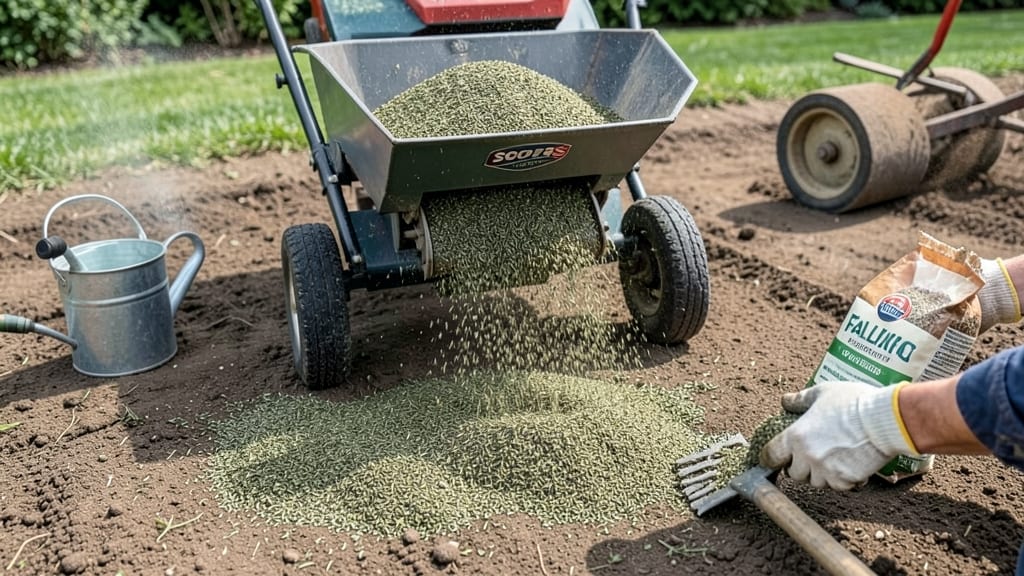
Seeding a new lawn in fall gives your grass a head start—cool soil, warm days, and fewer weeds mean stronger roots before winter. 🌱 I’ve seeded three lawns in autumn, and the results speak for themselves: thick, lush grass by spring, not patchy brown spots.
The secret lies in timing—start when daytime temps hit 70°F but nights dip below 60°F, usually 4-6 weeks before frost. You’ll need high-quality seed (cool-season blends work best), a lawn rake for prep, and a light layer of compost to feed new roots.
Avoid cheap seed mixes—cheap grass grows weak, and you’ll reseed next year. For best results, test your soil first (pH 6.0-7.0 is ideal), and water lightly but daily for the first two weeks.
By late fall, your seedlings will be frost-hardy, ready to sleep through winter and explode in spring. The key is patience—don’t rush germination with heavy watering, and avoid foot traffic until roots establish. I’ve seen lawns seeded in October outperform spring plantings by 30% in the first year.
Works in Zones 3-8, but adjust timing for mild winters (southern climates can seed until December). The payoff? A lawn that survives drought, traffic, and even my kids’ soccer games without skipping a beat.
📚 In This Guide
- What you need
- Instructions
- Tips and common mistakes
- Wrapping up and next steps
What you need
- ● High-quality grass seed: Choose a cool-season blend (e.g., Kentucky bluegrass, fescue, or ryegrass) best suited for your climate. Quantity: 5–8 lbs per 1,000 sq ft (check seed bag for exact coverage rates).
- ● Starter fertilizer: A slow-release, phosphorus-rich blend (e.g., 10-20-10 ratio). Quantity: 1 lb per 100 sq ft.
- ● Topsoil or compost: 1–2 inches of screened topsoil or compost to improve seed-to-soil contact. Quantity: Enough to cover your entire lawn area.
- ● Lawn rake: A bow rake with flexible tines (for leveling) or a garden rake (for seeding).
- ○ Broadcast spreader: For even seed distribution. Optional: Hand-spreading works for small areas.
- ● Water source: Garden hose with a gentle sprinkler or soaker hose (avoid high-pressure sprayers).
- ● Mulch or straw: Lightweight straw (not hay) to protect seeds from drying out. Quantity: 1/4 inch layer over seeded areas.
- ● Garden gloves: Heavy-duty to protect hands from soil and sharp tines.
- ● Knee pads: Because crawling on rough ground is no fun!
- ○ Soil test kit: Optional but helpful to check pH and nutrient levels before seeding.
- ● Pre-emergent herbicide: Only if needed—apply after seeding to prevent weeds. Follow label instructions carefully!
- ○ Lawn roller: Optional for compacting soil lightly after seeding (use a light roller, not a heavy one!).
Step-by-Step instructions for seeding a new lawn in fall
Fall is the perfect time to establish a thick, resilient lawn—here’s how to do it right.
🌱 Step 1: Prepare the Soil for Optimal Seed Germination
Start by removing any existing grass, weeds, or debris with a sod cutter or shovel. I like to use a broadfork to loosen the top 4-6 inches of soil without compacting it further. This aerates the ground, allowing roots to penetrate deeply. If your soil is heavy clay, mix in 2-3 inches of compost to improve drainage and fertility.
Rake the area smooth with a leveling rake, then use a lawn roller to press the soil lightly. The goal is a firm, even surface—no clumps or low spots. If you’re seeding over an old lawn, apply a non-selective herbicide first and wait 2-4 weeks for the grass to die completely before proceeding.
💧 Step 2: Choose the Right Grass Seed and Spread Evenly
Select a grass seed blend suited to your climate and sun exposure—cool-season grasses like Kentucky bluegrass or fescue thrive in fall. For a 4,000 sq ft lawn, you’ll need about 10-12 pounds of seed. I spread half the seed in one direction and the other half perpendicular to ensure even coverage.
Use a broadcast spreader for large areas or a hand spreader for smaller sections. Lightly rake the seed into the soil with a stiff-bristled rake, pressing it just enough to make contact with the earth. This prevents seed from washing away during watering. Avoid burying the seed—it needs light to germinate.
☀️ Step 3: Water Consistently to Encourage Germination
The first 2 weeks are critical—keep the soil moist but never soggy. Water lightly 2-3 times daily for 10-15 minutes each time, enough to dampen the top ½ inch of soil. You’ll know it’s right when the surface looks dark but doesn’t puddle.
Once the seed germinates and reaches 2-3 inches tall, reduce watering to 1 inch per week, including rainfall. Overwatering now can lead to fungal diseases like brown patch. A simple trick: Place a rain gauge or empty tuna can in the lawn to track moisture levels.
✂️ Step 4: Maintain and Protect the New Lawn
Wait until the new grass reaches 3-4 inches tall before mowing—this usually takes 6-8 weeks. Set your mower blade to 3 inches high to encourage deep root growth. Avoid walking on the lawn until it’s fully established to prevent soil compaction.
Apply a starter fertilizer with ½ pound of nitrogen per 1,000 sq ft to give seedlings a nutrient boost. In late fall, top-dress with ¼ inch of compost to protect seeds from cold snaps. Mulch with straw if your area experiences early frosts—this insulates the soil and retains moisture.
⏰ Step 5: Winterize for Spring Success
As temperatures drop below 40°F at night, reduce watering to ½ inch per week unless the ground is frozen. Avoid fertilizing after October 1st in most climates—new growth can’t harden off before winter. Rake away any fallen leaves to prevent smothering.
By late winter, your lawn will have a dense network of roots ready to burst into growth with spring. The key is patience—fall-seeded lawns outperform spring plantings because cooler temps reduce stress and weeds. You’ll see the difference in a lush, weed-resistant lawn by next summer.
Tips & tricks for perfect fall lawn seeding
Took me years of trial and error to perfect these fall lawn-seeding strategies—here's how to avoid my early mistakes and get professional results.
Soil Prep Secret: In Step 1, when loosening that top 4-6 inches with a broadfork, work in small sections about 2 feet square. This prevents you from accidentally compacting the soil you just aerated. For heavy clay, mix in compost while the soil is still loose—don't wait until after raking. The goal is to create a crumbly, almost cake-like texture that holds moisture without becoming muddy.
Seed Distribution Technique: For Step 2's perpendicular spreading method, I recommend marking your lawn into 10x10 foot grids with spray paint. This ensures you don't miss spots or double-up on seed coverage. After spreading, use a leaf rake to gently press seeds into soil—just enough to make contact, no deeper than ¼ inch. Think "light dusting" rather than "burying."
Watering Precision: During those critical first 2 weeks in Step 3, set a timer for your 10-15 minute watering sessions. The key is to water early morning when winds are calm—this prevents evaporation and gives seeds maximum moisture absorption. If you notice water beading up on the surface, you're overdoing it. The soil should look uniformly moist, like a wrung-out sponge, not swimming.
Winter Protection Strategy: In Step 5, when temperatures drop below 40°F, switch to watering in the late afternoon instead of morning. This prevents water from freezing overnight and creating ice barriers that block oxygen to roots. A thin layer of straw mulch (about ¼ inch) acts like a blanket—it insulates against temperature swings while still allowing light to reach emerging shoots in spring.
Pro Tips for Seed New Lawn In Fall
- Took me years of trial and error to perfect these fall lawn-seeding strategies—here's how to avoid my early mistakes and get professional results.
- Soil Prep Secret: In Step 1, when loosening that top 4-6 inches with a broadfork, work in small sections about 2 feet square.
- Seed Distribution Technique: For Step 2's perpendicular spreading method, I recommend marking your lawn into 10x10 foot grids with spray paint.
Frequently asked questions
Got questions about seeding your lawn in the fall? You’re not alone! Here are some of the most common concerns—and straightforward answers—to help you get started with confidence.
Why is fall the best time to seed a new lawn?
Fall offers cooler temperatures, reduced weed competition, and consistent moisture—perfect for seed germination. Seeds planted 4–6 weeks before your first frost have time to establish roots before winter, giving you a head start in spring. Pro tip: Aim for late August to early October in most regions for ideal conditions.
How long does it take for grass seed to grow in fall?
Most cool-season grasses (like fescue or ryegrass) sprout in 7–21 days under ideal conditions, with full root establishment taking 3–4 weeks. Warm-season grasses (like Bermuda) may take longer—up to 6 weeks. Patience pays off! Check your seed packet for specific timelines.
Do I need to water my new lawn seed every day?
Yes! Keep soil consistently moist (not soggy) for the first 2–3 weeks. Water lightly 2–3 times daily (early morning is best) to encourage germination. Once seedlings are 2–3 inches tall, reduce to 1 inch per week. A sprinkler with a gentle mist setting works best.
What if birds or squirrels eat my grass seed?
Use seed with a protective coating or apply a thin layer of straw/mulch to deter wildlife. For stubborn critters, try bird repellent sprays (pet-safe) or scatter seed in smaller, scattered areas. If damage occurs, re-seed those spots once threats pass. Bonus: Planting in the evening can help too!
Can I overseed an existing lawn in fall?
Fall is ideal for overseeding to fill thin patches. Mow your lawn short, rake to loosen soil, spread seed, and water thoroughly. Choose a mix with at least 20% new seed for best results. This refreshes your lawn without a full tear-out.
Will frost kill new grass seed?
Not if planted early enough! Seedlings can handle light frost but avoid planting within 2 weeks of a hard freeze (below 20°F). If frost hits, cover seedlings with a lightweight frost blanket until temperatures rise. Most cool-season grasses survive winter as dormant roots.
Wrapping up and next steps
Fall is your golden opportunity to grow a lush, resilient lawn—and with the right prep, your hard work will pay off in a vibrant green carpet next spring! 🌱 By seeding before winter’s first frost, you’re giving your grass the perfect chance to establish deep roots, outsmart weeds, and thrive when warmer weather returns.
Ready to take the next step? Grab your seeds, tools, and a little patience—then roll up your sleeves! Start small if needed, but don’t wait: the cooler, moister fall air is your ally. Happy planting! 🌟