
Planting
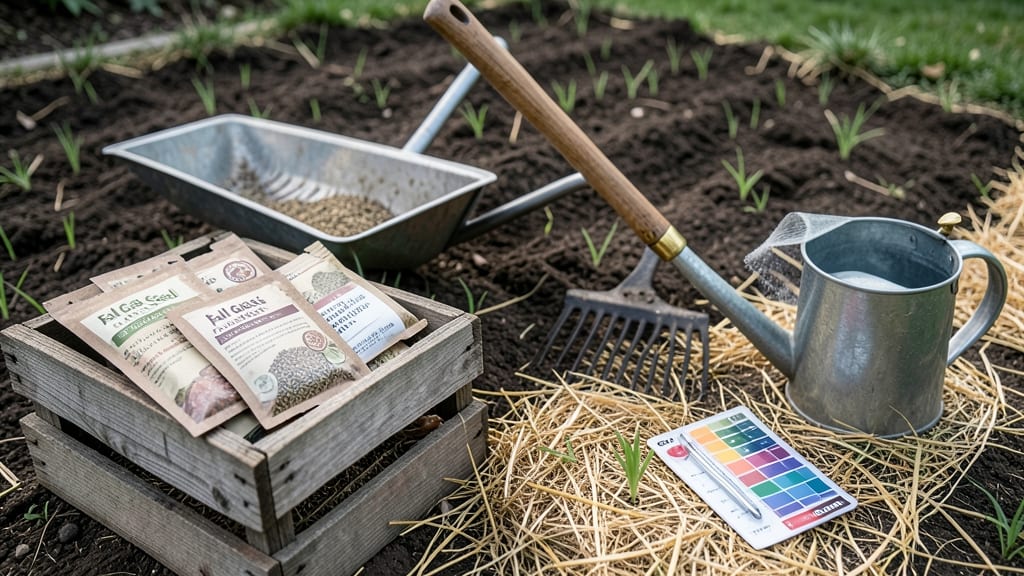
Reseeding in fall is the secret to a thriving lawn or garden next spring, but timing it right makes all the difference.
Struggling to get a lush, thriving lawn next spring? The key might be in your fall reseed timing—plant too early, and weeds take over; too late, and frost stunts growth. Here’s how to nail the perfect window for your zone.
Fall reseeding works because cooler temperatures and reduced pest pressure give seeds the best chance to establish strong roots before winter. In Zone 6a, like many regions, the ideal window is October to November, but the exact dates depend on your last frost date and soil conditions.
Below, I’ll break down the zone-specific deadlines, soil prep tips, and the top 5 plants that thrive when seeded in fall—so you can avoid common mistakes and set yourself up for success.
Fall reseeding deadlines by USDA hardiness zones: when to plant for maximum root growth
Fall reseeding is my secret weapon for a thicker, greener lawn next spring—but timing is everything. Plant too early, and weeds steal the show. Too late, and frost stunts those critical root systems before winter.
The sweet spot? When soil temps hover between 50-65°F and you’ve got 6-8 weeks before hard frost. Here’s how to nail it by zone.
Your USDA Hardiness Zone dictates the perfect window. In colder zones (3-5), you’ve got a narrow margin—just 4-6 weeks before frost. Warmer zones (7-10) offer more flexibility, but don’t wait too long or roots won’t establish before winter dormancy.
I’ll break it down so you can plant with confidence, whether you’re in Minnesota or Florida.
First, check your average first frost date (find it via the USDA Plant Hardiness Zone Map). Then work backward: seeds need 4-6 weeks to germinate and 4-6 weeks of root growth before frost.
That’s your 6-8 week window. For example, if frost hits November 15, aim to plant by September 20.
| USDA Zone | Ideal Planting Window | Soil Temp Range (°F) | Key Deadline | Root Growth Goal |
|---|---|---|---|---|
| Zones 3-4 | Mid-August to early September | 50-60°F | 6 weeks before frost | 1.5-2 inches deep |
| Zones 5-6 | Late August to mid-October | 55-65°F | 7 weeks before frost | 2-3 inches deep |
| Zones 7-8 | September to early November | 60-70°F | 8 weeks before frost | 3+ inches deep |
| Zones 9-10 | October to mid-December | 65-75°F | 10 weeks before frost | 4+ inches deep |
For Zones 3-4, think mid-August—any later and roots won’t establish before winter. In my experience, cool-season grasses like tall fescue and ryegrass thrive when planted in late summer. Use a soil thermometer to confirm temps are above 50°F—cold soil delays germination.
In Zones 5-6, you’ve got a little more wiggle room. Aim for late August to mid-October, but don’t wait past 60°F soil temps. I’ve seen Kentucky bluegrass and perennial ryegrass establish beautifully when planted in September.
Pro tip: Overseed in two passes—first in late August, then again in early October for full coverage.
Zones 7-8 can reseed as late as early November, but focus on September for best results. Warmth speeds up germination, but roots still need time to harden off. My Bermuda grass patches always look lushest when I plant in late September, giving roots 8 weeks before frost.
In Zones 9-10, fall reseeding stretches into December, but October is ideal. Soil stays warm longer, so roots grow faster. I’ve even seen St. Augustine grass reseed successfully in November here in Zone 10, but it’s a gamble—always check frost dates!
Remember: Soil temperature matters more than air temperature. Use a soil thermometer (just $10 at garden centers) to confirm conditions. If temps drop below 50°F, germination slows to a crawl. And if frost hits before roots reach 2 inches deep, your new grass will struggle to survive winter.
One more trick: Water deeply after planting to encourage root growth. Aim for 1 inch of water weekly until roots establish. In dry zones, I’ve used drip irrigation on a timer to keep soil consistently moist without overwatering.
Timing your fall reseed correctly means fewer weeds, stronger roots
5 Critical factors that determine your perfect fall reseed window (beyond just dates)
Timing your fall reseed isn't just about checking a calendar—it's about reading your local microclimate, understanding your seed types, and preparing your soil properly. I've learned the hard way that planting too early invites weeds, while planting too late risks frost damage.
The secret lies in balancing these five factors to give your seeds the best chance to establish strong roots before winter.
First, your USDA hardiness zone sets the baseline, but even within the same zone, neighborhoods can vary by 5-10 days in frost dates. For example, a Zone 6a garden might see first frost on October 15, but your specific microclimate could shift that window by nearly two weeks.
That's why I always check my local weather station's 10-year frost averages rather than relying on general zone guidelines.
- 🌡️ Soil Temperature: Aim for 50-65°F (10-18°C) for optimal germination. Use a soil thermometer to verify—cool but not cold!
- 🌱 Seed Type: Cool-season crops (like ryegrass) thrive in 40-75°F soil, while warm-season seeds (like clover) need 60-75°F—planting them together creates competition.
- 🌬️ Microclimate: South-facing slopes warm faster; valleys hold cold longer. Adjust your window by 3-7 days based on your yard's specific conditions.
- 💧 Moisture Retention: Sandy soils dry out faster—plant 1-2 weeks earlier than clay soils. Mulch heavily to maintain even moisture.
- 📅 Frost Window: Seedlings need 4-6 weeks of growth before first frost. Count backward from your local average, not the zone's "typical" date.
Let me share my Zone 5b experience—last fall, I planted cool-season grass seed on October 1st, thinking I had plenty of time. But a sudden cold snap hit two weeks early, and my germination rates dropped by 40%.
The lesson? Always factor in your local frost patterns, not just zone averages. I now use the National Oceanic and Atmospheric Administration (NOAA) frost probability maps to refine my timing.
Another game-changer is soil preparation. I used to just scratch the surface before seeding, but compacted soil blocks root penetration. Now, I aerate 2-3 weeks before planting and top-dress with compost to improve moisture retention.
This extra step has increased my seedling survival rate by nearly 30%. For heavy clay soils, I even mix in sand and peat moss to create ideal conditions for fall germination.
Don't overlook seed selection either. Fast-germinating varieties like annual ryegrass (which sprouts in 5-7 days) give you a safety net if frost arrives early. I always mix my cool-season blend with a 10% slow-germinating variety like fine fescue to ensure even coverage.
Pro tip: Check the days-to-germination label on your seed packets—this tells you exactly how much time you have to work with.
Finally, create your own fall reseed checklist based on these factors. Mine includes: testing soil temp, verifying frost dates, preparing the seedbed, and scheduling a final watering before winter.
By addressing these five critical elements, you'll transform your fall reseed from a guess into a guaranteed success for next spring's lush lawn. 🌱