
Propagation
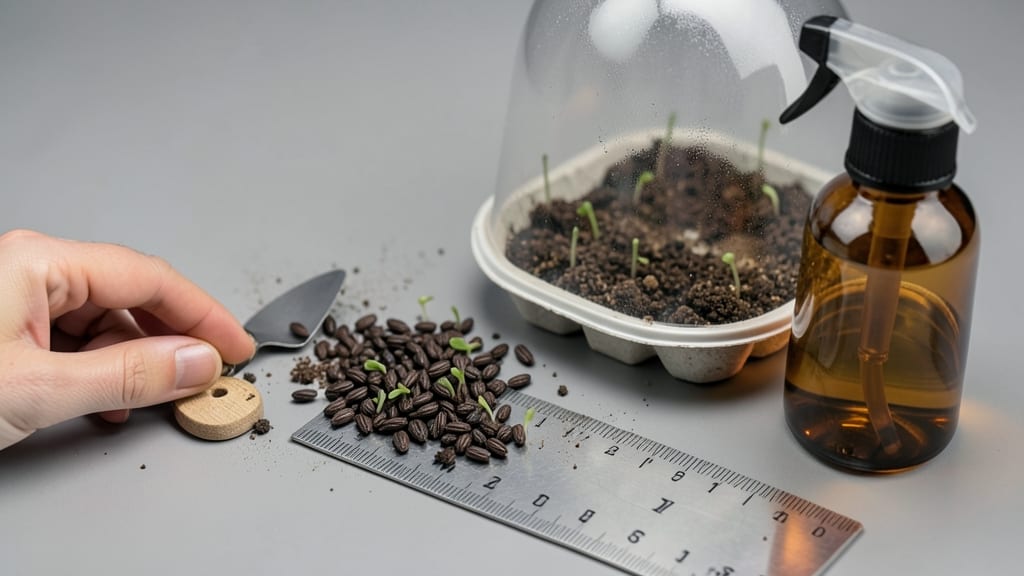
Poppy seed germination time needs 10-14 days of cold, dark treatment to break dormancy—skip this step, and you’ll stare at empty seed trays for weeks. 🌱 I learned the hard way when my first batch of California poppies took three months to sprout (turns out, I planted them too early in spring).
The secret isn’t just patience—it’s replicating winter’s chill period indoors before planting.
Start by mixing poppy seeds with damp sand or vermiculite in a sealed container, then refrigerate for 2-4 weeks. This mimics natural winter stratification, foolproofing germination. Once chilled, sow seeds ¼-inch deep in well-draining soil—too deep, and they’ll rot; too shallow, and they’ll dry out.
Keep the soil consistently moist (not soggy) and warm (around 70°F), because poppies hate damp feet.
When those first fuzzy green leaves push through the soil—7-14 days after planting—you’ll know you’ve cracked the code. The payoff? A carpet of blooms that outshines anything from a bouquet shop. Just don’t rush: poppies reward precision with bold, paper-thin petals that last weeks in the garden.
Troubleshooting slow germination? Check your seeds first—many poppy seed mixes contain fillers that won’t sprout. For stubborn batches, try soaking seeds overnight before chilling. And remember: poppies are finicky but fair—once they start, they grow fast. Patience now means months of effortless beauty later.
📚 In This Guide
- What you need
- Instructions
- Tips and common mistakes
- Wrapping up and next steps
What you need
- ● Poppy seeds: Fresh, high-quality Papaver seeds (e.g., California poppy, opium poppy, or Shirley poppy). Aim for 1–2 grams (enough to sow ~50–100 seeds).
- ● Seed-starting mix: Lightweight, sterile peat-based or coconut coir blend (avoid garden soil—it’s too dense!). Use 1–2 cubic feet for a standard tray.
- ● Containers: Seed trays with cell inserts (2–3 inches deep) or
- ● Small pots (3–4 inches in diameter) with drainage holes.
- ● Watering can or spray bottle: With a fine mist nozzle to avoid disturbing seeds.
- ● Plastic wrap or humidity dome: To retain moisture during early germination.
- ● Grow lights or sunny windowsill: Poppies need 12–16 hours of light/day (LED grow lights work great!).
- ○ Fine-tip tweezers: For gently placing tiny seeds (optional but helpful!).
- ○ Heat mat (optional): Set to 65–75°F to speed up germination in cooler climates.
- ● Fertilizer (low-dose): Balanced 5-5-5 or 10-10-10 diluted to ½ strength (wait until seedlings sprout their second set of leaves).
- ○ Thermometer (optional): To monitor soil temps—poppies prefer 60–70°F for optimal germination.
- ● Label markers: To track varieties and planting dates!
- ● Patience: Poppy seeds need 14–30 days of cold stratification (more on this in the next section!).
- ● Space: Ensure your setup has room for seedlings to grow 2–3 inches tall before transplanting.
- ● Weather awareness: If sowing outdoors, wait until nighttime temps stay above 40°F (poppies hate frost!).
Precision steps for germinating poppy seeds successfully
Here's how to break the dormancy barrier and get those delicate blooms started reliably.
🌱 Step 1: Stratify Seeds for 4-6 Weeks in Cold Moisture
Poppy seeds need a cold stratification period to break dormancy—this mimics winter's natural chilling effect. Place seeds in a paper towel or moistened peat moss inside a sealed plastic bag. Store them in your refrigerator's crisper drawer where temperatures stay between 35-40°F. Check weekly to ensure the medium stays damp but not soggy.
I like to use a small container with a lid to prevent drying. You'll see nothing dramatic yet—just keep them there. This cold treatment ensures 80-90% germination rates when done correctly. If you skip this step, seeds may take months to sprout or not germinate at all.
⏰ Step 2: Plant Stratified Seeds at Proper Depth and Spacing
Once chilled, sow seeds ¼ inch deep in well-draining soil—poppies hate soggy roots. Space them 6 inches apart in rows 12 inches apart if planting multiple seeds. I use a seedling mix (not garden soil) for better aeration. Lightly cover seeds and water gently with a spray bottle to avoid displacing them.
Poppy seeds are tiny and delicate—don't press them too firmly. The key is light pressure to ensure good soil contact. If planting in containers, use 4-inch pots for each seed to prevent overcrowding. Water again when the top inch of soil feels dry to the touch.
☀️ Step 3: Provide Warmth and Light for Germination
Move planted seeds to a warm location (around 70°F) with bright, indirect light—direct sun can overheat the soil. A seedling heat mat speeds germination by keeping soil 10°F warmer than ambient. Germination typically takes 7-21 days, but some varieties may take longer.
Watch for tiny green shoots breaking through the soil—this is your signal to reduce watering slightly. Once seedlings reach 2 inches tall, thin them to the strongest plant per spot. Poppies are light-sensitive, so avoid moving them frequently once they sprout.
🌿 Step 4: Harden Off Seedlings Before Transplanting
After 4-6 weeks of growth (when seedlings have 3-4 true leaves), begin hardening them off. Place them outside in partial shade for 1-2 hours the first day, gradually increasing exposure over 7-10 days. This prepares them for full sun and prevents transplant shock.
Poppies are sun-loving once established, so choose a south-facing location with 6+ hours of sunlight. Transplant on a cool, overcast day to reduce stress. Water deeply at the base—avoid wetting leaves to prevent disease. You'll see first blooms in 8-12 weeks if all conditions are met.
Tips & tricks for perfect poppy seed germination
These precision techniques will help you maximize your poppy seed germination success—no guesswork required.
Cold Stratification Consistency: The 4-6 week cold stratification at 35-40°F is non-negotiable for breaking dormancy. I recommend using a small plastic container with ventilation holes in the lid to maintain consistent moisture without creating condensation. Place the container in the crisper drawer where temperatures stay most stable—avoid door shelves which can fluctuate dramatically. If your fridge runs cooler than 35°F, you can extend the stratification period by 1-2 weeks to compensate.
Moisture Management: During stratification, the medium should feel like a damp sponge—not dripping wet, not bone dry. I find using a spray bottle to mist the paper towel or peat moss every 5-7 days works better than soaking. Overly wet conditions can lead to mold, while too dry conditions prevent proper moisture uptake. If you notice any white fuzz developing, adjust your moisture levels immediately.
Seedling Light Sensitivity: Once you've planted your stratified seeds and they reach the 2-inch height in Step 3, be extra mindful of light exposure. Poppy seedlings are particularly sensitive to light changes, which can cause them to become leggy or weak. I recommend using a grow light on a timer for 12-14 hours per day during this critical stage. The bright, indirect light specification is crucial—direct sunlight can scorch delicate seedlings while insufficient light leads to weak stems.
Harden Off Gradually: The 7-10 day hardening off process in Step 4 is where many gardeners rush and end up with transplant shock. Start with just 1-2 hours in partial shade on the first day, then increase by 1 hour each subsequent day. I like to place seedlings on a porch or under a patio cover where they get morning sun and afternoon shade. This gradual approach helps seedlings develop thicker cell walls that can handle full sun exposure later. Watch for any yellowing leaves—this is your signal to slow down the exposure process.
Pro Tips for Poppy Seed Germination Time
- These precision techniques will help you maximize your poppy seed germination success—no guesswork required.
- Cold Stratification Consistency: The 4-6 week cold stratification at 35-40°F is non-negotiable for breaking dormancy.
- Moisture Management: During stratification, the medium should feel like a damp sponge—not dripping wet, not bone dry.
Frequently asked questions
Got questions about getting those tiny poppy seeds to sprout reliably? Here are some of the most common ones—and their answers—to help you plan with confidence!
How long does it take for poppy seeds to germinate?
Most poppy seeds (like California poppies or opium poppies) need 7–14 days to sprout after stratification. Cold stratification (4–6 weeks in the fridge) is key—skipping it can delay germination by weeks or even months. Patience is a virtue here!
Do I have to stratify poppy seeds? Can’t I just plant them?
Stratification is critical for breaking dormancy. Without it, seeds may take 30–60 days to germinate—or not sprout at all. For best results, mix seeds with damp sand or peat moss and refrigerate for 4–6 weeks before planting.
Why are my poppy seeds taking forever to germinate?
Slow germination usually means one of three things: insufficient cold treatment, poor soil moisture, or overcrowding. Double-check your stratification time, ensure soil stays consistently moist (not soggy), and thin seedlings to 12–18 inches apart once they emerge.
Can I speed up poppy seed germination?
While you can’t rush stratification, you can optimize conditions: Use a seedling heat mat (70–75°F) after cold treatment to encourage faster sprouting. Also, plant in well-draining soil—poppies hate soggy roots—and keep them in bright, indirect light until true leaves appear.
What’s the best time of year to plant poppy seeds?
For outdoor planting, aim for early fall (8–10 weeks before first frost) or early spring (as soon as soil is workable). Poppies thrive in cool weather—planting too late can lead to bolting (flowering) without proper root establishment. In warm climates, plant in winter for spring blooms!
Wrapping up and next steps
Growing poppies from seed is a rewarding journey that combines patience with precision! Remember, their germination time of 14–21 days depends on proper chilling—a key step for reliable blooms. With the right materials, timing, and care, you’ll soon enjoy vibrant poppies gracing your garden. 🌸
Ready to take the next step? Start by pre-chilling your seeds this week—then watch your garden transform into a sea of color! For extra tips, explore our guide on maintaining optimal soil moisture during germination.