
Propagation
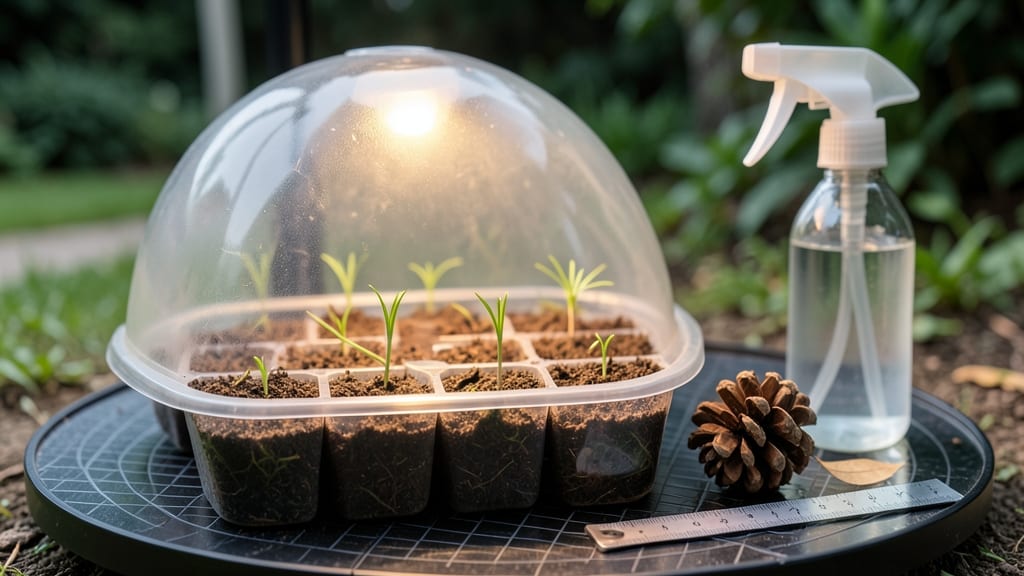
Pine tree seed germination starts with a moist, chilly kick—just like their wild counterparts need. 🌲 I’ve struggled with dry, stubborn seeds that refused to sprout until I mimicked nature’s slow, damp winter. The key isn’t rushing; it’s patience and precise moisture control to break dormancy. You’ll need pine seeds (fresh or stored properly), a moist mix of peat moss and perlite, a sealed container, and a cold spot (like a fridge or unheated garage). Stratification—simulating winter’s cold—triggers germination. Most seeds take 30-90 days to crack open, depending on the species. Once sprouts appear, move them to bright, indirect light and keep the soil moist but never soggy. Tiny needles mean tender roots—handle carefully! By spring, you’ll have sturdy seedlings ready for transplanting. This method works for white pine, red pine, or Douglas fir. Just adjust stratification time: 60-90 days for most species. Watch those first green shoots—it’s worth the wait!
📚 In This Guide
- What you need
- Instructions
- Tips and common mistakes
- Wrapping up and next steps
What you need
- ● Pine tree seeds: Fresh, viable seeds (10–20 per container). Tip: Collect from healthy, mature cones (🌲✨).
- ● Germination medium: Option 1: Peat moss or coconut coir (sterilized, 2–3 cups per container).
- ● Option 2: Seed-starting mix (lightweight, well-draining, 1–2 lbs).
- ● Containers: Small pots (4–6 inches deep) or seed trays with drainage holes (3–5 per batch).
- ● Water: Room-temperature, dechlorinated (use rainwater or bottled water if tap water is treated).
- ● Plastic wrap or humidity dome: To maintain moisture (1–2 sheets or a clear lid).
- ● Spray bottle: For gentle watering (avoid over-saturation!).
- ○ Fine-mesh sieve: Optional, for sifting seeds (if pre-stratification is needed).
- ● Thermometer: To monitor cold stratification temps (34–41°F / 1–5°C).
- ● Refrigerator or cold frame: For stratification (space for 1–2 containers).
- ● Grow lights or sunny windowsill: For post-stratification warmth (12+ hours of light/day).
- ● Patience! Pine seeds can take 3–12 months to germinate.
- ● Consistent moisture checks (keep medium damp, not soggy).
- ● Access to a cool, dark space for stratification (e.g., fridge or unheated garage).
Step-by-Step guide to germinating pine tree seeds
Here's how to break the dormancy cycle and coax those stubborn pine seeds into sprouting reliably.
🌱 Step 1: Stratify Seeds for Dormancy Break
Pine seeds require cold stratification to mimic winter conditions and break dormancy. Place seeds in a sealed plastic bag with a damp paper towel—just enough moisture to keep it damp but not soggy. I like to use 1/4 inch thick paper towels folded into quarters to hold the seeds without crushing them.
Store the bag in your refrigerator's crisping drawer (around 34-40°F) for 30-90 days. Check weekly—if the towel dries out, mist it lightly with water. You'll know stratification is working when the seed coat softens slightly and the seed feels plump to the touch. This cold treatment tricks the seed into thinking winter has passed.
💧 Step 2: Prepare Moisture-Controlled Germination Medium
Once stratified, transfer seeds to a sterile germination mix—I use a blend of 50% peat moss and 50% perlite for excellent drainage. Fill a shallow tray or small pots with the mix, then moisten it until it feels like a wrung-out sponge: damp but not dripping.
Pine seeds need consistent moisture but will rot if waterlogged. I place the tray on a bed of pebbles in a shallow water tray to maintain humidity without direct contact. Cover the tray with clear plastic wrap to create a greenhouse effect, but leave a small gap for airflow—condensation inside will signal you've got the moisture balance right.
☀️ Step 3: Provide Warmth and Indirect Light
Move the tray to a warm spot with indirect light—a south-facing window with sheer curtain works well. Pine seeds germinate best at 68-75°F. If your home runs cooler, consider a seedling heat mat set to 70°F underneath the tray.
Germination can take 2-6 weeks, so patience is key. You'll see the first sign of life when the seed coat splits open—sometimes just a tiny crack appears before the radical (root) emerges. Once roots appear, remove the plastic wrap immediately to prevent fungal growth. Keep the soil surface lightly moist but never wet.
🌿 Step 4: Transplant Seedlings to Individual Pots
When seedlings develop 2-3 true needles (not just the initial cotyledons), it's time to transplant. Use 3-inch diameter pots filled with a well-draining mix of 60% pine bark fines and 40% sand. Gently remove the seedling with a spoon, being careful not to disturb the delicate roots.
Plant each seedling at the same depth it was growing before. Water thoroughly after transplanting, then place the pots under a grow light for 14-16 hours daily. Pine seedlings are sensitive to root disturbance, so avoid moving them again for at least 4-6 weeks. You'll know they're thriving when new growth appears within 2-3 weeks.
Tips & tricks for perfect pine tree seed germination
Here's what nobody tells you about getting those stubborn pine seeds to sprout like a pro.
Cold Stratification Precision: The 30-90 day range in Step 1 is flexible, but consistency matters most. I've found that 60 days at 34-40°F gives the best balance between dormancy break and seed viability. If your fridge runs warmer (like the top shelf), consider moving the bag to the vegetable crisper—it's designed to maintain cooler temps. The key is maintaining that plump, slightly softened texture we're looking for.
Germination Medium Science: That 50/50 peat moss-perlite mix in Step 2 isn't just arbitrary—peat holds moisture while perlite prevents compaction. For even better drainage, I add a thin layer of coarse sand at the bottom of your tray. This creates an air pocket that prevents root rot, which is especially critical during the 2-6 week germination window when seeds are most vulnerable. Think of it as creating a mini swamp with proper drainage.
Light Temperature Balance: The 68-75°F range in Step 3 is crucial because pine seeds are sensitive to temperature fluctuations. If you notice condensation forming on the plastic wrap more than 2-3 times daily, your humidity is too high—remove the wrap for 30 minutes to air it out. For cooler homes, that seedling heat mat at 70°F can make all the difference, especially if your thermostat struggles to maintain warmth near windows.
Transplanting Technique: When you see those 2-3 true needles in Step 4, resist the urge to rush the transplant. The 4-6 week stability period after transplanting is when seedlings establish their root systems. I use a wooden popsicle stick to gently loosen the soil around seedlings before transplanting—this minimizes root disturbance. Water thoroughly after transplanting, but avoid getting water on the needles to prevent fungal issues.
Pro Tips for Pine Tree Seed Germination
- Here's what nobody tells you about getting those stubborn pine seeds to sprout like a pro.
- Cold Stratification Precision: The 30-90 day range in Step 1 is flexible, but consistency matters most.
- Germination Medium Science: That 50/50 peat moss-perlite mix in Step 2 isn't just arbitrary—peat holds moisture while perlite prevents compaction.
Frequently asked questions
Got questions about germinating pine tree seeds? You’re not alone! Here are some of the most common concerns—and their answers—to help you succeed.
How long does it take for pine tree seeds to germinate?
Patience is key! Most pine seeds take 30 to 90 days to germinate, depending on the species and conditions. Some, like white pine, may sprout in as little as 4 weeks, while others, like ponderosa pine, can take months. Cold stratification (40–50°F for 6–12 weeks) speeds up the process by mimicking winter conditions.
Do I need to refrigerate pine seeds before planting?
Yes! Pine seeds require cold stratification to break dormancy. Place them in a moist, sealed container (like a plastic bag with damp peat moss) and refrigerate for 6–12 weeks. This mimics winter and tricks the seed into thinking it’s time to grow. Skip this step, and germination rates will plummet!
What’s the best moisture level for germinating pine seeds?
Keep the soil or growing medium consistently moist but not soggy. Overwatering can cause rot, while too little moisture stalls germination. Use a spray bottle to mist seeds daily or place the container in a shallow tray of water (with drainage). Think “damp sponge,” not “swamp.”
Can I germinate pine seeds indoors without special equipment?
You don’t need fancy tools—just a clear plastic bag, damp paper towels, or a seed-starting tray works. Place seeds in the bag/towel, seal it (leave a tiny gap for airflow), and store them in the fridge. Once sprouted, transfer to soil. Sunlight isn’t needed yet—focus on moisture and cold first!
Why aren’t my pine seeds sprouting? Troubleshooting tips.
If seeds aren’t germinating, check these common issues:
- No cold treatment: Pine seeds must experience winter-like conditions. Try refrigerating them longer.
- Old or low-quality seeds: Fresh seeds (harvested <1 year ago) germinate best. Test viability by cutting a seed in half—look for a green embryo.
- Poor moisture control: Seeds can dry out or rot. Use a humidity dome or mist regularly.
- Wrong species: Some pines (like bristlecone) are notoriously hard to germinate. Research your specific type!
Still stuck? Try soaking seeds in lukewarm water for 24 hours before stratification.
Wrapping up and next steps
Growing pine tree seeds from scratch is a rewarding journey that blends patience, precision, and nature’s magic—and you’ve got all the tools to succeed! By mastering moisture control, cold stratification, and gentle warmth, you’re setting the stage for resilient seedlings ready to thrive. 🌱
Now that you’re armed with knowledge, take the next step: gather your supplies, follow the steps, and watch those tiny seeds transform into towering trees. Every gardener starts somewhere—your pine forest adventure begins today!