
Propagation
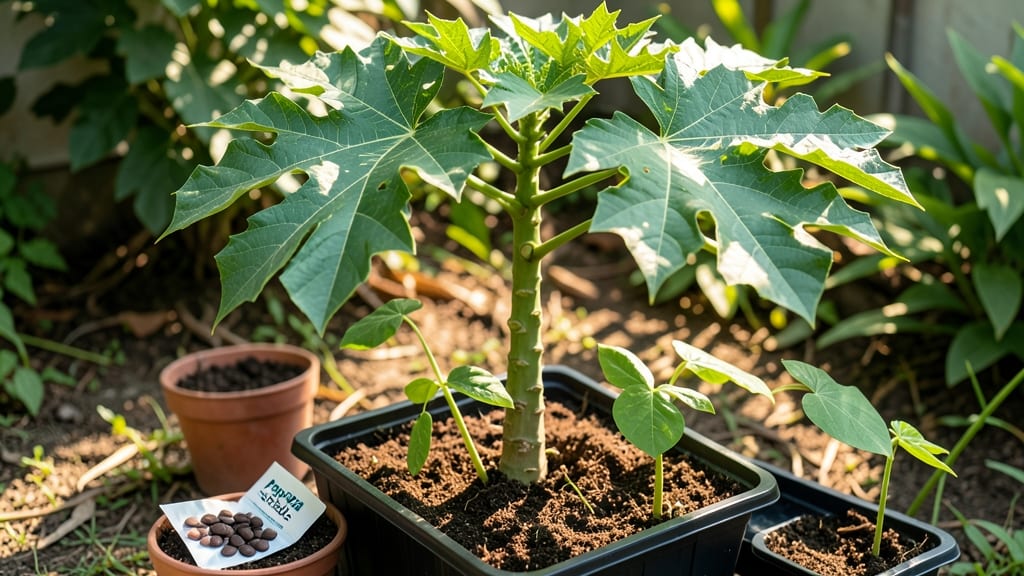
Growing papaya from seed to fruit in your kitchen feels like a tropical vacation every time you harvest. 🌿 The journey starts with a single seed that, with the right warmth and patience, transforms into a tree bearing vibrant orange fruit within a year—if you're in the right climate zone.
The key is mimicking its native habitat: 80°F+ temperatures, high humidity, and well-draining soil. Most people give up after the seedling stage, but the real magic happens when those first yellow flowers appear. With a little help from a paintbrush, you'll get fruit set even if bees aren't visiting.
By summer's end, you'll be holding your own papaya—sweeter than store-bought and packed with vitamin C. The tree grows surprisingly fast (up to 10 feet in a year) and thrives in containers, making it perfect for patios or greenhouses. Here's the secret: Don't rush.
Papayas need time to establish roots before they'll fruit reliably. But once they do? You'll never buy them again.
📚 In This Guide
- What you need
- Instructions
- Tips and common mistakes
- Wrapping up and next steps
What you need
- ● Papaya seeds: 3–5 fresh, viable seeds (harvested from a ripe papaya or purchased from a trusted supplier). Pro tip: 💡 Soak seeds in warm water for 24 hours to speed up germination!
- ● Growing containers: Small seedling pots (4–6 inches in diameter) for germination
- ● Larger pots (12–18 inches) or a raised bed for transplanting (papayas need room to grow!)
- ● Well-draining potting mix: A blend of 60% coconut coir or peat moss, 30% perlite or vermiculite, and 10% compost (papayas hate soggy roots!).
- ● Grow lights or sunny windowsill: Papaya seedlings need 6–8 hours of sunlight daily (or a grow light if indoors).
- ● Spray bottle: For gentle watering during germination.
- ● Fertilizer: Balanced liquid fertilizer (e.g., 10-10-10) for seedlings
- ● High-potassium fertilizer (e.g., 5-10-10) once flowering begins
- ● Pruning shears: For trimming excess leaves or dead growth.
- ○ Support stake or trellis: Optional but helpful for larger varieties (papayas can grow 10–20 feet tall!).
- ● Temperature: Minimum 60°F (15°C) for germination; ideal growing temp: 75–90°F (24–32°C).
- ● Humidity: Moderate to high (40–70%). Use a humidity tray if indoors.
- ● Water: Keep soil consistently moist but not waterlogged (papayas are drought-sensitive!).
- ● Pollination: If growing indoors, you may need to hand-pollinate flowers with a small brush. 🐝
- ● Mulch (straw or wood chips) to retain soil moisture.
- ● pH testing kit (ideal soil pH: 6.0–7.0).
- ● Slow-release fertilizer pellets for convenience.
- ● Garden gloves to protect your hands from sap (which can irritate skin).
Step-by-step instructions for growing papaya from seed to fruit
Here's how to nurture a tropical papaya plant indoors or in warm climates.
🌱 Step 1: Start Seeds in Warm, Moist Soil
Papaya seeds need warmth to germinate—place them in a small pot filled with well-draining potting mix. I like to soak the seeds overnight in warm water first, which speeds up germination. Plant each seed about ½ inch deep in the soil, spacing them 1 inch apart.
Keep the soil consistently moist but not soggy. Papaya seeds germinate best at 75-85°F, so place the pot in a warm spot like on top of a refrigerator or near a heat vent. Cover the pot loosely with plastic wrap to retain humidity, but remove it once sprouts appear in about 7-14 days.
Watch for the first true leaves—these will be small and round. Once they appear, thin the seedlings to the strongest one per pot. If you're growing multiple plants, keep them spaced 3-4 feet apart later on, as papayas grow large.
☀️ Step 2: Provide Bright, Indirect Light
Papayas thrive in full sun (6+ hours daily), but young seedlings need gentle light to avoid scorching. Start with 4-6 hours of bright, indirect light and gradually increase exposure over 2 weeks until they can handle direct sun.
If growing indoors, place the plant near a south-facing window or under a grow light. You'll notice leggy growth if the light isn’t strong enough—this means the plant is stretching toward the source. Adjust the light or move the plant closer to prevent weak stems.
Rotate the pot a quarter turn weekly so the plant grows evenly. Papayas grow tall and can become top-heavy, so a sturdy support or cage helps prevent tipping over as the plant matures.
💧 Step 3: Water Deeply and Fertilize Regularly
Water the papaya plant when the top 1-2 inches of soil feel dry. Overwatering is the biggest mistake—papayas hate soggy roots. I use a watering can with a narrow spout to direct water to the base, avoiding the leaves to prevent fungal issues.
Once the plant is established (after 3-4 months4-6 weeks with a balanced, water-soluble fertilizer. Papayas are heavy feeders, so a 10-10-10 or 20-20-20 mix works well. You’ll see faster growth and larger leaves as a sign it’s working.
Real talk: Papayas are tropical and love humidity. If your air feels dry, mist the leaves occasionally or place a tray of water nearby to mimic their natural environment.
✂️ Step 4: Prune and Support for Fruit Production
Papayas grow fast and can become unruly. Prune leggy or weak stems to encourage bushier growth. I focus on removing any suckers (side shoots) that form at the base, directing energy toward the main stem and fruit production.
As the plant grows, install a sturdy support like a bamboo stake or trellis. Papayas can reach 10-20 feet tall, so securing the stem prevents breakage. Tie the main stem loosely to the support with soft plant ties, adjusting as the plant grows.
Watch for flower buds—these appear after 6-12 months. Papayas are dioecious, meaning male and female flowers grow on separate plants. If you’re growing one plant, you’ll need to hand-pollinate the female flowers (they have a small papaya-shaped bump at the base) using a soft brush to transfer pollen from male flowers.
🍈 Step 5: Harvest Ripe Fruit
Papayas are ripe when they turn orange or yellow and give slightly to gentle pressure. The skin should feel soft, not hard or mushy. Harvest by twisting the fruit gently until it separates from the stem—no need for pruners.
Store ripe papayas at room temperature for 2-3 days or refrigerate for up to 1 week. Unripe papayas can ripen at room temperature, but they won’t sweeten further once picked.
Here’s the thing—papayas are sensitive to cold. If temperatures drop below 50°F, move the plant indoors or to a sheltered spot. With patience and care, you’ll enjoy homegrown papayas in as little as 12-18 months!
Tips & tricks for growing papaya from seed to fruit
These simple tricks will help you nurture your tropical papaya plant from seed to harvest like a pro.
Germination Boost: When soaking papaya seeds overnight in warm water before planting, use water that's around 85°F to mimic their tropical environment. I've found that adding a drop of liquid seaweed fertilizer to the soaking water can also give seedlings a slight growth advantage. Just rinse the seeds thoroughly before planting to avoid over-fertilizing the soil.
Light Transition Strategy: The gradual increase to full sun over 2 weeks is crucial—don't rush this step. I start by placing my seedlings near an east-facing window where they get morning sun but are shielded from harsh afternoon rays. If using grow lights, position them 6-12 inches above the plants and increase height gradually to prevent leggy growth.
Support System: Install your bamboo stake or trellis early—around 3-4 months when the plant starts getting top-heavy. I use soft plant ties made from old T-shirts because they're gentle on the stems and can be adjusted as the plant grows. This prevents stem damage that can occur when you try to add support later.
Cold Protection: Papayas are tropical plants that can't tolerate temperatures below 50°F. If you notice the leaves starting to yellow or wilt when temperatures drop, move your plant to a sunny indoor spot immediately. A heat lamp placed 12-18 inches away can help maintain the necessary warmth during cold snaps without scorching the leaves.
Pro Tips for Papaya From Seed To Fruit
- These simple tricks will help you nurture your tropical papaya plant from seed to harvest like a pro.
- Germination Boost: When soaking papaya seeds overnight in warm water before planting, use water that's around 85°F to mimic their tropical environment.
- Light Transition Strategy: The gradual increase to full sun over 2 weeks is crucial—don't rush this step.
Frequently asked questions
Got questions about growing papayas from seed? You’re not alone! Here are some of the most common queries—and their straightforward answers—to help you succeed.
How long does it take for a papaya seed to sprout?
Papaya seeds typically sprout within 7 to 14 days if kept warm (70–90°F) and moist. Use a heat mat if your climate is cool—patience is key! If nothing emerges after 3 weeks, gently replant fresh seeds or check for rot.
When will my papaya plant bear fruit?
With ideal conditions (warmth, sunlight, and proper care), a papaya plant can produce fruit in as little as 6 to 12 months. Dwarf varieties may fruit faster, while larger types could take up to 2 years. Pro tip: Male and female flowers often bloom on separate plants—look for swollen bases on female flowers for fruit.
Can I grow papayas indoors?
Papayas thrive outdoors in tropical climates, but you can try them indoors near a south-facing window with supplemental grow lights (12–14 hours/day). Use a large container (10+ gallons) and maintain humidity—just expect slower growth and smaller fruit. A greenhouse or sunroom works best!
Why are my papaya leaves turning yellow or dropping?
Yellowing leaves usually signal overwatering, nutrient deficiency, or pests. Check the soil—it should be moist but not soggy. Yellow edges? Likely calcium or magnesium deficiency. Inspect undersides for mites or aphids (spray with neem oil if needed). Pro tip: Prune damaged leaves to redirect energy to healthy growth.
Can I save seeds from store-bought papayas?
Yes! Scoop seeds from a ripe, organic papaya, rinse them, and let them dry for 1–2 days. Store in a paper towel in the fridge for up to 6 months. Warning: Hybrid papayas may not produce true-to-type fruit. For consistent results, buy seeds labeled "heirloom" or "open-pollinated."
How do I protect my papaya plant in cold weather?
Papayas cannot tolerate frost—temperatures below 32°F will kill the plant. If cold snaps are forecast, move potted plants indoors or cover outdoor plants with frost cloth. In freezing climates, grow papayas in containers and overwinter them in a garage or basement with grow lights.
Wrapping up and next steps
Growing papaya from seed to fruit is a rewarding journey that connects you to nature’s bounty—and yes, you can do it! 🌱 With the right patience, warmth, and care, you’ll soon enjoy sweet, vibrant papayas straight from your own garden.
Whether you’re a beginner or a seasoned gardener, this guide proves that delicious results are just a few steps (and a little sunshine) away.
Now that you’re armed with knowledge, why not take the next step? Start with a single seed, nurture it with love, and watch your tiny plant transform into a tropical treasure. Happy growing—your future papaya harvest is waiting! 🍈✨