
Propagation
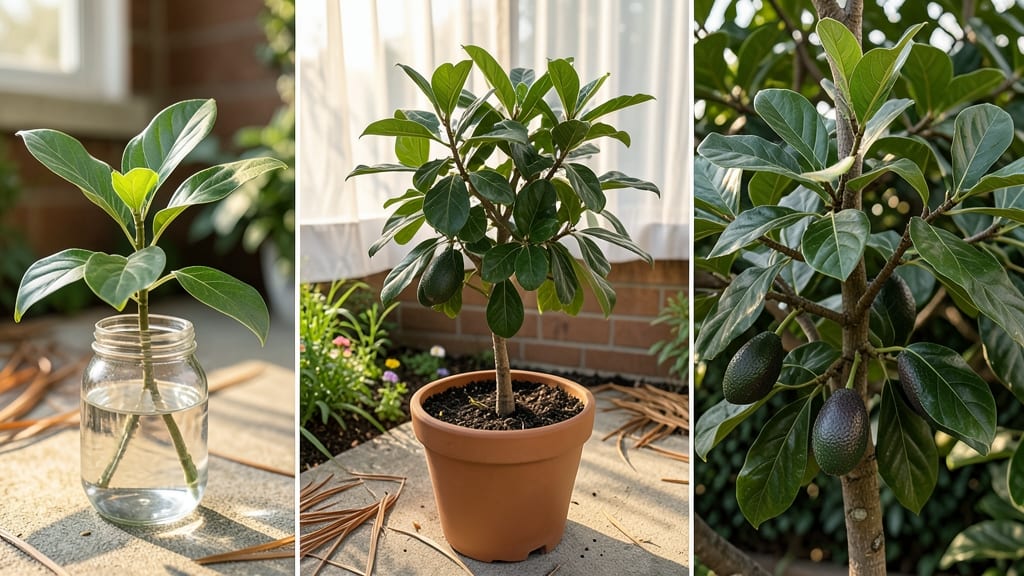
Growing an avocado tree from seed to fruit is a patient gardener's dream—one that rewards you with a kitchen-grown tree that can live for decades. 🌱 The journey starts with a simple pit from your grocery store avocado, but the magic happens years later when you finally taste fruit from your own tree.
I’ve grown three from seed, and while only one has fruited so far, the process is worth every wait.
Here’s the thing—you won’t see fruit for 5 to 13 years, but the early stages are surprisingly simple. Start with a toothpick and a glass of water to coax roots, then move to soil once those roots hit 3-4 inches.
The real work comes later: pruning for shape, monitoring for pests, and ensuring it gets enough light. Most people quit before the tree even hits its teens, but that’s when the real payoff begins.
By the time your tree is mature, you’ll have a tropical statement piece that produces fruit—if you’re lucky enough to live in a warm climate.
Even if you don’t get fruit, the tree itself is a conversation starter, and the process teaches you more about plant resilience than any other houseplant. The key is consistency: watering, light, and a little extra care when it’s young.
Fair warning: This isn’t a fast project. But if you’re the type who loves long-term rewards—like heirloom tomatoes or a century-old oak—an avocado tree from seed will give you the same deep satisfaction. Let’s get those roots growing!
📚 In This Guide
- What you need
- Instructions
- Tips and common mistakes
- Wrapping up and next steps
What you need
- ● Avocado Pit: A fresh, organic avocado pit (preferably Hass variety) with a small stem intact.
- ● Water: Filtered or distilled water (avoid tap water with chlorine or fluoride).
- ● Toothpicks or small skewers: 3-4 toothpicks or wooden skewers (3-4 inches long).
- ● Glass or jar: A clear glass or jar (16-20 oz) with a wide mouth for easy access.
- ● Potting soil: Well-draining, organic potting mix (avoid garden soil).
- ● Small pot: A 6-8 inch diameter pot with drainage holes (plastic or terracotta).
- ○ Spray bottle: For misting the seedling (optional but helpful for humidity).
- ● Fertilizer: Balanced, water-soluble fertilizer (e.g., 10-10-10 or organic options like fish emulsion).
- ● Grow lights or sunny window: A south-facing window or grow lights (12-16 hours of light daily).
- ● Humidity dome or plastic wrap: To retain moisture during early growth.
- ○ Rooting hormone: Optional for faster root development.
- ● Soil moisture meter: To monitor soil hydration without overwatering.
- ● Support stake or trellis: For taller plants (avocado trees can grow 6-20 feet!).
- ● Pruning shears: For shaping and maintaining the plant as it grows.
Step-by-Step instructions for growing avocados from seed to fruit
Here's how to turn that grocery store pit into a thriving tree with edible fruit.
🌱 Step 1: Germinate the Seed Properly
Clean the avocado pit thoroughly by rubbing off any remaining fruit with a damp paper towel. Insert 3-4 toothpicks evenly around the middle, leaving the top half exposed. Place the pit in a glass with the bottom half submerged in 1-2 inches of water—just enough to cover the bottom half but not the top. Keep the water level consistent by adding more as needed.
Position the glass in a warm, bright spot with indirect light—a windowsill works well. You'll see the first signs of life in 2-6 weeks when a small sprout emerges from the top and a root appears from the bottom. This is your signal to move to a pot, but don't rush it. Wait until the root is 2-3 inches long and the sprout reaches 1-2 inches tall.
🪴 Step 2: Pot the Seedling and Encourage Growth
Choose a 6-8 inch diameter pot with drainage holes and fill it with a mix of 50% potting soil and 50% perlite or sand. This well-draining mix prevents root rot, which is the #1 killer of young avocado trees. Gently remove the seedling from the water and plant it so the top half remains above soil—avocado seeds need this exposure to grow properly.
Water lightly until the soil feels evenly moist but not soggy. Place the pot in a bright spot with 6+ hours of indirect sunlight daily. You'll notice new leaves emerging within 4-6 weeks, signaling healthy growth. This is when you can start fertilizing with a balanced liquid fertilizer diluted to half-strength every 2 months.
☀️ Step 3: Transition to Sunlight and Prune for Strength
After 3-4 months, when the seedling has 4-5 true leaves, gradually introduce it to direct sunlight by moving it outdoors for 1-2 hours daily. Watch for leaf burn—if edges turn brown, it's getting too much sun. Once acclimated, keep it in full sun (6+ hours daily) and water when the top 1-2 inches of soil feel dry.
Prune leggy growth by cutting back 1/3 of the longest stems just above a leaf node. This encourages bushier growth. You'll see new branches forming within 2-3 weeks. Real talk: Avocado trees grow slowly, so be patient. It takes 5-13 years to bear fruit, but each milestone—like the first true leaves or first flowers—feels like a victory.
⏰ Step 4: Maintain Through the Fruit-Bearing Years
Once your tree reaches 5+ feet tall, switch to a slow-release fertilizer in early spring. Water deeply once a week during dry spells, but never let the soil stay soggy. Avocados need consistent moisture but hate wet feet. If you notice yellowing leaves, it's often a sign of overwatering or poor drainage—adjust accordingly.
When flowers appear (usually 6-8 years in), they'll look like tiny green buds. Hand-pollinate by gently shaking the tree or using a small brush to transfer pollen between flowers. Fruit will develop slowly—watch for small bumps that grow into avocados over 6-9 months. Harvest when the fruit gives slightly to gentle pressure and the stem pulls away easily.
Tips & tricks for growing avocados from seed to fruit
Turning that grocery store pit into a thriving avocado tree takes patience—but these tricks will help you avoid the most common pitfalls along the way.
Germination Secret: Don't be tempted to rush the germination process! The 2-6 week window is crucial—roots need to reach 2-3 inches and sprouts 1-2 inches before potting. I've seen impatient gardeners move seedlings too soon, and the roots often get tangled or break during transplanting. Keep the water level consistent at 1-2 inches and change it every 2-3 days to prevent bacteria buildup.
Soil Mix Matters: That 50-50 potting soil to perlite/sand mix in Step 2 is non-negotiable for young avocado trees. I've tried using regular garden soil and watched root rot take over within weeks. The perlite creates air pockets that prevent soggy soil—the #1 killer of young seedlings. After potting, give the soil a gentle squeeze—it should feel like a damp sponge, not a wet washcloth.
Light Transition Strategy: When you're ready to move your 3-4 month old seedling to direct sunlight in Step 3, do it gradually. Start with just 1-2 hours daily in morning sun, then increase by 30 minutes every few days. I've seen leaf burn happen overnight when people move seedlings too quickly—those brown edges are irreversible damage. Watch for subtle color changes before increasing exposure.
Fertilizing Timeline: The 2-month interval for diluted liquid fertilizer in Step 2 is perfect for young trees. After your tree hits 5+ feet in Step 4, switch to slow-release fertilizer—but here's the thing nobody tells you: avocados actually prefer being slightly under-fertilized. I've seen over-fertilized trees develop yellow leaves and weak growth. When in doubt, fertilize less rather than more.
Pro Tips for Avocado From Seed To Fruit
- Turning that grocery store pit into a thriving avocado tree takes patience—but these tricks will help you avoid the most common pitfalls along the way.
- Germination Secret: Don't be tempted to rush the germination process!
- Soil Mix Matters: That 50-50 potting soil to perlite/sand mix in Step 2 is non-negotiable for young avocado trees.
Frequently asked questions
Got questions about growing avocados from seed? You’re not alone! Here are some of the most common queries—and their answers—to help you succeed on your avocado-growing journey.
How long does it take for an avocado pit to sprout?
Patience is key! With the right conditions (warmth, moisture, and consistency), your avocado seedling may sprout in 4–6 weeks. Some take longer—up to 8 weeks—so don’t rush the process. Keep the soil damp and the environment cozy (around 70°F) to speed things along.
Will my avocado tree ever produce fruit?
Yes, but it’s a marathon, not a sprint! Grown from seed, avocado trees typically take 5–13 years to bear fruit. If you’re impatient, consider grafting a fruiting variety onto your seedling for a faster harvest. Bonus: Store-bought avocados are often grafted, so they fruit sooner!
Can I grow an avocado indoors?
Avocados thrive indoors with bright, indirect light (a south-facing window or grow light works well). Keep the soil moist but well-draining, and rotate the pot occasionally for even growth. Just know: Indoor trees may grow slower and produce smaller fruit—or none at all—compared to outdoor plants.
Why is my avocado seedling dying?
Common culprits include overwatering (root rot), underwatering (dry, crispy leaves), or low light (leggy, weak stems). Check the soil moisture with your finger—it should feel damp but not soggy. If leaves yellow or drop, adjust care and give your plant a little more love (and light!).
Can I eat avocados from a homegrown tree?
Yes, but taste and texture may differ from store-bought varieties. Seed-grown avocados often have smaller, less predictable fruit and may not ripen as evenly. For the best eating experience, try grafting a known variety (like Hass) onto your seedling. And remember: Always let them ripen fully before eating!
Wrapping up and next steps
Growing avocados from seed to fruit is a rewarding journey that blends patience, care, and a touch of green-thumb magic! 🌱 Whether you’re a beginner or a seasoned plant parent, witnessing that first blossom—or even fruit—is pure satisfaction.
Now that you’ve mastered the steps, why not expand your garden? Try propagating more seeds, experimenting with different varieties, or even sharing your knowledge with friends. Every seed you plant today could become tomorrow’s delicious harvest!
🌟 Next Steps:
- Document your progress—track growth with photos or a journal!
- Research local climate needs to optimize fruit-bearing conditions.
- Celebrate small wins—like new leaves or flowers—along the way!