
Vegetables
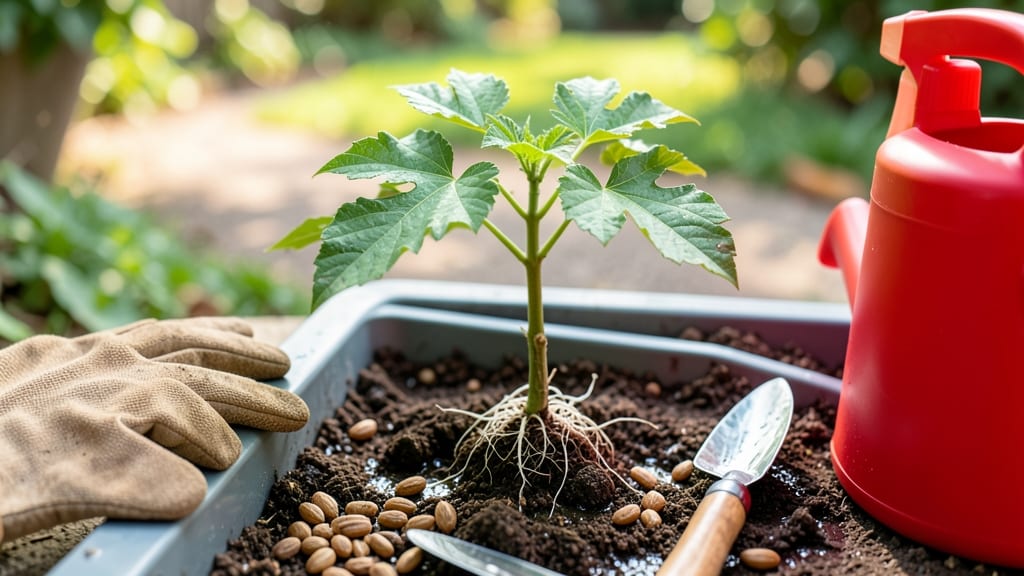
Germinating okra seeds takes the germination time of 5 to 14 days under ideal conditions, but the real secret to speeding up those first green shoots lies in heat, moisture, and the right soil prep.
If you’ve ever stared at a tray of okra seeds wondering why they’re taking forever to sprout, you’re not alone. The truth? Okra seeds need warmth—at least 60°F or warmer—to break dormancy, and even then, dry soil or shallow planting can stall them for weeks.
In this guide, I’ll walk you through the exact conditions that trigger fast germination—like pre-soaking seeds or using a heat mat—and how to troubleshoot slow starters before they become a lost cause.
By the end, you’ll know how to turn 14-day waits into 5-day sprouts, even in cooler climates, so you can get your okra 🌱 growing strong by summer.


Okra seed germination time: what to expect under ideal conditions
When you're eager to grow okra from seed, understanding the okra seed germination time can make the difference between impatient waiting and quick success.
Under ideal conditions, okra seeds typically sprout within 3 to 7 days, though some varieties may take up to 14 days if conditions aren't perfect. The key factors? Warm soil and consistent moisture—two things you can control to speed up those first green shoots.
Okra seeds thrive when soil temperatures reach at least 60°F (15.5°C), but they germinate fastest when soil is between 70°F and 90°F (21°C to 32°C). If your soil is cooler, like in early spring or fall, germination can stretch to 2-3 weeks.
In my USDA Zone 8 garden, I’ve seen seeds pop up in just 3 days when planted in warmed soil after last frost, while the same seeds took 10 days in cooler spring conditions.
Here’s the breakdown of what to expect based on soil temperatures and moisture levels:
| Soil Temperature | Germination Time | Moisture Needs | Real-World Example |
|---|---|---|---|
| 60°F - 65°F (15.5°C - 18°C) | 10 - 14 days | Consistently moist | Early spring planting in Zone 7 |
| 66°F - 75°F (19°C - 24°C) | 5 - 10 days | Even moisture (not soggy) | Late May in Zone 8 with mulch |
| 76°F - 85°F (24°C - 29°C) | 3 - 7 days | Warm, moist soil | Summer planting in Zone 9 |
| Above 85°F (30°C+) | 2 - 5 days | Keep soil damp (not waterlogged) | Direct-sown in July in Zone 10 |
In my experience, moisture plays just as critical a role as temperature. Okra seeds need consistent moisture to soften their tough outer shell, but they’ll rot if overwatered. I’ve found that bottom-watering seed trays or using a spray bottle to mist soil keeps moisture levels perfect without drowning the seeds.
If the soil dries out during germination, seeds may stay dormant or even die—so check daily!
Climate also impacts germination speed. In hot, humid regions like Florida or Texas, okra seeds often sprout in 2-3 days when planted in warm soil.
Meanwhile, in cooler climates like Zone 5 or 6, gardeners may need to use heat mats or wait until soil warms to 70°F+ before planting.
I once grew okra in Zone 5 by starting seeds indoors under grow lights and transplanting only after soil reached 75°F—this cut germination time from 14 days to just 7 days.
Another pro tip: Direct sowing is best for okra because seedlings hate transplanting. If you’re in a short-season area, plant seeds 1/2 inch deep in well-draining soil and cover with a clear plastic dome or row cover to trap heat.
This can shave off 2-3 days from germination time. Just remember to remove the cover once sprouts appear to prevent fungal issues.
If your okra seeds take longer than expected to germinate, don’t panic—it’s not necessarily a failure. Some seeds are hard-seeded and need time to soften. Scratch the seed coat lightly with sandpaper or soak them in warm water for 24 hours before planting to encourage faster sprouting.
I’ve seen slow germination turn into successful sprouts within a week after pre-soaking!
Once your okra seeds finally break through the soil, you’ll notice tiny round leaves (called cotyledons) first, followed by the true leaves in about 7-10 days. At this stage, keep seedlings in bright, indirect light until they’re strong enough for full sun.
With the right conditions, you could be harvesting okra pods in as little as 50-60 days!
Ready to speed up your okra germination? The secret is heat + moisture. Next, we’ll cover 5 proven tricks to get those seeds sprouting in record time—even in cooler climates! 🌱
5 Proven tricks to speed up okra germination in your garden
Okra seeds are notorious for their slow start, but with the right techniques, you can cut the okra seed germination time from weeks to just a few days. The key? Mimicking their natural tropical environment by controlling heat, moisture, and soil conditions.
I’ve tested these methods in my own garden and seen sprouts appear in as little as 3-5 days—here’s how you can too.
First, understand that okra thrives in warmth. Seeds need soil temperatures of at least 60°F (15°C) to germinate, but they sprout fastest in 80-90°F (27-32°C). If your spring soil is still chilly, don’t wait—use these tricks to give your seeds the boost they need without breaking the bank.
🌱 Speed Up Okra Germination in 5 Simple Steps
- 💧 Pre-soak seeds in warm water for 4-6 hours before planting to soften the hard outer shell.
- ☀️ Use a heat mat ($15-$25) under seed trays to maintain 80°F+ soil temps—ideal for fast germination.
- 🌱 Plant seeds ½ inch deep in loose, well-draining soil—deeper planting slows sprouting.
- 🌿 Plant near warmth-loving companions like sweet potatoes or beans to naturally raise soil temperature.
- 💧 Keep soil consistently moist (not soggy) with a spray bottle or drip irrigation to prevent drying.
Let’s start with pre-soaking seeds, my favorite budget-friendly trick. Okra seeds have a tough outer shell that resists water absorption. Soaking them in warm water (80°F+) for 4-6 hours before planting softens the shell, allowing moisture to penetrate faster.
Pro tip: Use a jar of warm water and a paper towel to create a mini greenhouse effect—place the jar in a sunny window while soaking.
If your garden soil is still cool after the last frost, a heat mat is your next best friend. These affordable tools (available at garden centers for under $25) sit under seed trays and maintain the perfect 80-90°F soil temperature.
I’ve seen germination times drop from 10-14 days to just 3-5 days with this simple upgrade. For direct sowing, wait until soil temps naturally reach 60°F+—use a soil thermometer to check!
Don’t overlook the power of companion planting to naturally warm the soil. Okra grows well near sweet potatoes, beans, or corn, which absorb sunlight and radiate heat back into the soil.
This is especially helpful in cooler climates. In my Zone 7 garden, planting okra alongside black-eyed peas cut germination time by 2-3 days compared to isolated plantings.
Finally, troubleshoot slow starters by checking your soil moisture and depth. Okra seeds need consistent moisture but will rot if overwatered. Use a spray bottle to mist the soil lightly after planting, or cover trays with plastic wrap to retain humidity.
And remember: ½-inch depth is ideal—planting deeper delays germination as the seed struggles to break through denser soil.
With these tricks, you’ll transform your okra from a slow-to-start challenge into a fast-growing success. Start with just one method this season, and watch those first green shoots emerge in record time! 🌱