
Propagation
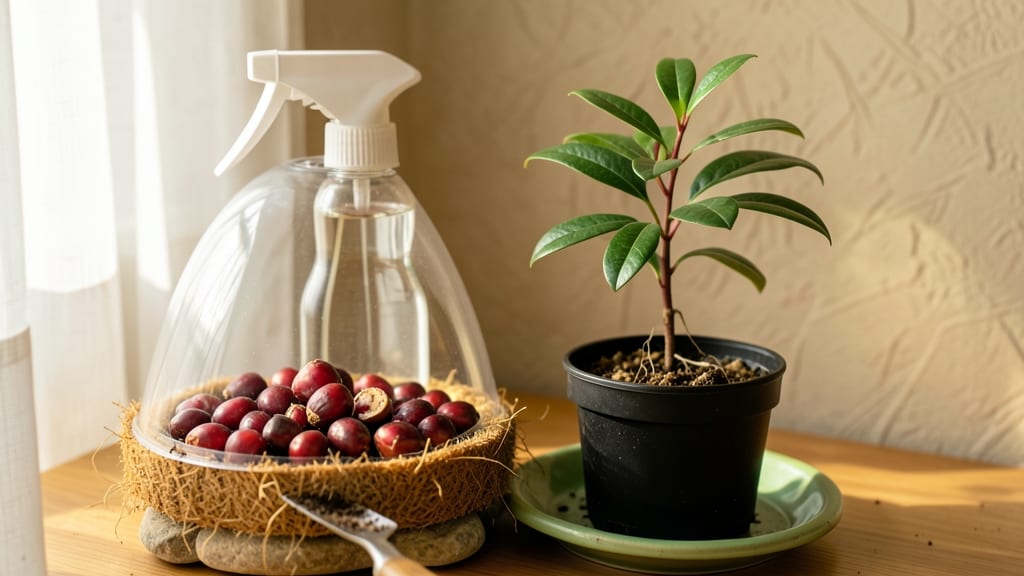
Mastering pomegranate seed propagation is the secret to growing your own tree from store-bought fruit. 🌱 The seeds inside that ruby-red aril have a stubborn streak—most people give up after a few weeks of waiting, but with the right prep, you’ll see those first green shoots in just 4-6 weeks.
I’ve turned my kitchen scraps into thriving seedlings using these dormancy-breaking tricks that actually work.
Start by extracting seeds from fresh fruit, then soak them in warm water for 24 hours to soften the tough outer coat. After that, the real magic happens with a simple stratification trick: mix the seeds with damp sand in a sealed bag and refrigerate for 4-6 weeks.
This mimics winter’s chill cycle, tricking the seeds into thinking spring has arrived. Most gardeners skip this step—and that’s why their seeds never sprout.
Once planted in well-draining soil, keep the pots in a bright, indirect light spot and maintain consistent moisture. The first leaves will be tiny and delicate, but they’ll grow into sturdy seedlings ready for transplanting in 3-4 months.
The payoff? A tree that produces fruit in just 3-5 years—far faster than buying a nursery plant.
This method works for both cold and warm climates, though tropical zones may need slightly shorter stratification. The key is patience; pomegranates don’t rush, but they do reward persistence with vibrant blooms and sweet, jewel-like fruit. Ready to turn those seeds into a tree?
📚 In This Guide
- What you need
- Instructions
- Tips and common mistakes
- Wrapping up and next steps
What you need
- ● Fresh pomegranate seeds: 10–20 viable seeds (harvested from a ripe, organic pomegranate—avoid store-bought seeds if treated with preservatives).
- ● Well-draining potting mix: 1–2 gallons of a blend like 50% cactus/succulent mix + 50% perlite or coarse sand (sterilized to prevent mold).
- ○ Small pots or seed trays: 2–4 containers (3–4 inches deep) with drainage holes. Optional: Use biodegradable peat pots for easy transplanting.
- ● Watering can or spray bottle: With a fine mist nozzle for gentle hydration.
- ● Plastic wrap or humidity dome: To create a mini greenhouse effect.
- ● Grow lights or sunny windowsill: A south-facing window (6+ hours of light/day) or a LED grow light (12–14 hours/day).
- ○ Heat mat (optional but helpful): A seedling heat mat (70–80°F range) to simulate tropical warmth during dormancy-breaking.
- ● Scissors or knife: For gently slicing seeds (if scarification is needed).
- ○ Fine-grit sandpaper (optional): For light scarification (if seeds are extra hard).
- ● Fertilizer (post-germination): A balanced liquid fertilizer (5-5-5 or 10-10-10) diluted to half-strength.
- ○ Thermometer (optional): To monitor soil temp (ideal: 75–85°F for germination).
- ● Label markers: To track seed varieties and planting dates!
Step-by-step instructions for growing pomegranate trees from seed
Here's how to break dormancy and coax strong pomegranate seedlings from store-bought seeds—without expensive nursery starts.
🌱 Step 1: Harvest and Prepare the Seeds
Start with fresh pomegranate seeds—those from grocery store fruit often have hard seed coats that delay germination. Remove seeds from the fruit, rinse off any pulp, and spread them on a paper towel to dry completely for 24 hours. This prevents mold while keeping them viable.
Here's the trick: soak the seeds in warm water for 24-48 hours to soften the outer shell. You'll know they're ready when a few seeds sink to the bottom of the bowl—this indicates the seed coat has absorbed enough moisture. Drain and pat them dry before planting.
💧 Step 2: Stratify for Dormancy Break
Pomegranate seeds need cold stratification to mimic winter conditions and trigger germination. Place the soaked seeds in a sealed plastic bag with a damp paper towel, then refrigerate for 6-8 weeks. Check them weekly—if the towel dries out, mist it lightly with water.
This cold treatment breaks dormancy, but don't skip it. Without stratification, seeds may take 6 months or longer to sprout, if they sprout at all. I like to label the bag with the date to track the timeline accurately.
☀️ Step 3: Plant in Warmth and Light
After stratification, fill 4-inch pots with a mix of 50% potting soil and 50% perlite for drainage. Plant seeds ½ inch deep and water gently until the soil is moist but not soggy. Place the pots in a warm location (70-80°F) with bright, indirect light.
Germination can take 2-4 weeks, so patience is key. Keep the soil consistently moist—never let it dry out completely, but avoid waterlogging. A humidity dome helps maintain even moisture levels during this critical phase.
🌿 Step 4: Transplant and Harden Off Seedlings
Once seedlings develop 2-3 sets of true leaves, they're ready for individual pots. Use 6-inch containers with well-draining soil. Transplant carefully, keeping the root ball intact to minimize stress. Place the pots in full sun (6+ hours daily) and gradually introduce them to outdoor conditions.
Harden off seedlings over 2 weeks by moving them outdoors for increasing lengths of time. Start with 1 hour daily in a shaded spot, then slowly increase exposure to direct sunlight. This prepares them for permanent outdoor planting after the last frost.
⏰ Step 5: Maintain Growth Through the First Year
Pomegranate seedlings grow slowly at first, so focus on consistent care. Water deeply once weekly (more in extreme heat), ensuring the soil dries slightly between waterings. Fertilize lightly with a balanced organic fertilizer (10-10-10) every 4-6 weeks during the growing season.
Watch for leggy growth—a sign of insufficient light. If stems stretch toward the sun, move the plant to a sunnier spot or supplement with a grow light. By their first winter, your seedlings will be ready for permanent planting in the garden.
Tips & tricks for perfect pomegranate seed propagation
These dormancy-breaking secrets will help you transform grocery store seeds into thriving pomegranate seedlings with confidence.
Seed Preparation: The 24-hour drying period is non-negotiable—it prevents mold while maintaining viability. For extra insurance, I recommend using a fan on low setting during this time to speed up evaporation without damaging the seeds. This creates an ideal environment where seeds remain dry enough to prevent rot but still retain their germination potential. The warm water soak (24-48 hours) is your best friend here—just make sure to change the water every 12 hours to prevent bacterial growth.
Stratification Strategy: Don't let that 6-8 week cold treatment intimidate you—it's the most critical step for breaking dormancy. I've found that placing the sealed bag in the crisper drawer of your fridge provides the most consistent temperatures. Pro tip: Use a small zip-top bag with a tiny hole for airflow, then place it inside a larger container to catch any condensation. This prevents mold while maintaining humidity. Mark your calendar when you start—those 6 weeks will fly by!
Planting Environment: The 70-80°F warm location is ideal, but don't stress if your home runs cooler. A simple heat mat placed under the pots can make all the difference in maintaining consistent temperatures. For light, position your pots near a south-facing window where they'll receive bright, indirect light. If you notice the seedlings stretching toward the light (a sign of etiolation), it's time to supplement with a grow light for 12-14 hours daily. This prevents leggy growth that weakens young seedlings.
Transplanting Timing: Waiting for 2-3 sets of true leaves is crucial—this ensures your seedlings have developed strong root systems capable of supporting transplant shock. When you do transplant to 6-inch pots, I recommend using a sterile potting mix to prevent disease. Gently loosen the root ball before placing it in the new container, which encourages roots to spread outward rather than staying compacted. This simple step makes a world of difference in establishing healthy seedlings.
Pro Tips for Pomegranate Seed Propagation
- These dormancy-breaking secrets will help you transform grocery store seeds into thriving pomegranate seedlings with confidence.
- Seed Preparation: The 24-hour drying period is non-negotiable—it prevents mold while maintaining viability.
- Stratification Strategy: Don't let that 6-8 week cold treatment intimidate you—it's the most critical step for breaking dormancy.
Frequently asked questions
Got questions about growing pomegranates from seeds? You’re not alone—this method takes patience and precision! Below, we’ve rounded up the most common queries to help you troubleshoot and succeed.
How long does it take for pomegranate seeds to germinate?
Germination can take anywhere from 2 to 6 weeks, depending on conditions. Cold stratification (chilling seeds for 4–8 weeks) speeds this up. Keep soil moist but not soggy, and maintain warmth (70–80°F). Patience is key—some seeds may surprise you with faster sprouts!
Do I really need to cold-stratify pomegranate seeds?
Yes! Pomegranate seeds have hard seed coats that block moisture absorption. Cold stratification (mimicking winter) weakens the coat, improving germination rates. Skip it, and you’ll likely see little to no growth. For best results, refrigerate seeds in damp paper towels for 4–8 weeks before planting.
Can I grow pomegranates from seeds in pots, or do they need a garden?
Start in pots! Use well-draining soil and 6–8" containers. Once seedlings are 6+ inches tall, transplant to larger pots or the ground. Pomegranates thrive in full sun and warm climates, but young plants can handle partial shade. Just avoid frost—these tropical babies are sensitive!
Why aren’t my pomegranate seeds sprouting? Troubleshooting tips.
Here’s a quick checklist:
- Dormancy not broken: Try soaking seeds in warm water for 24 hours before planting.
- Too wet/dry: Keep soil consistently moist (not waterlogged).
- Poor soil: Use a mix of potting soil + perlite for drainage.
- No warmth: Seeds need 70°F+ to germinate. A heat mat helps!
Will pomegranate seedlings grow true to the parent fruit?
Probably not! Seed-grown pomegranates rarely produce fruit identical to the parent. For reliable fruit, graft onto a rootstock or buy a named cultivar. But hey—growing from seeds is still fun (and great for experimenting with heirloom varieties!).
Wrapping up and next steps
Growing pomegranates from seed is a rewarding journey that combines patience with a touch of science! By mastering dormancy-breaking tricks—like stratification, scarification, and proper moisture control—you’ll unlock the potential for reliable sprouts.
Whether you’re a beginner or a seasoned gardener, these methods make it easier than ever to nurture your own vibrant pomegranate tree. 🌱
Ready to take the next step? Start with a few seeds, experiment with the techniques shared here, and soon you’ll be enjoying homegrown pomegranates. Happy propagating! 🌟