
Propagation
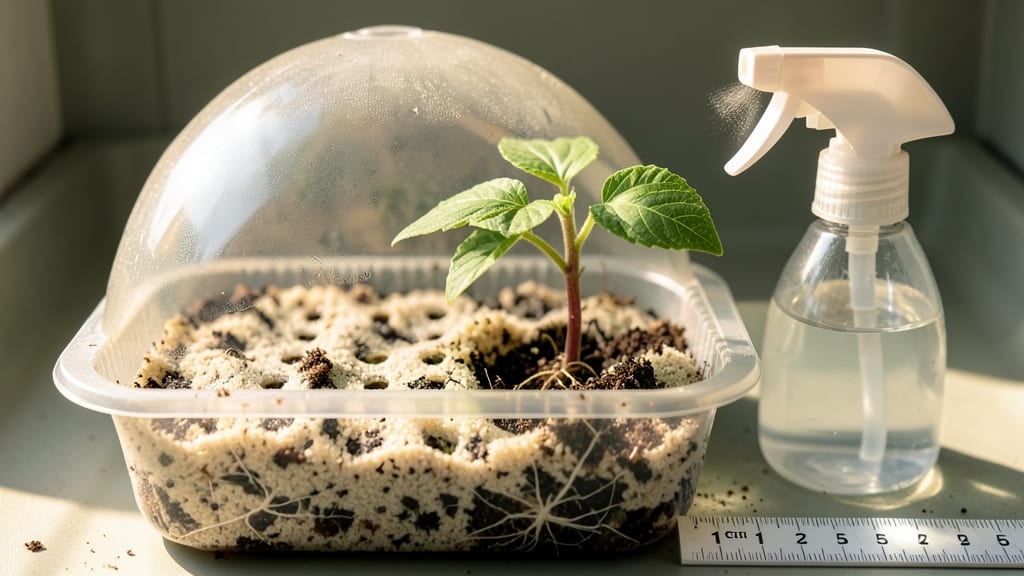
Germinating jalapeño seeds takes the right germination time—typically 7 to 14 days under ideal conditions—but many gardeners wait far longer before seeing those first tiny green sprouts.
Waiting weeks for jalapeño seeds to sprout can be frustrating—but with the right techniques, you can cut germination time by half and get those fiery peppers growing in just 7-14 days.
Whether you're a first-time grower or a seasoned pepper enthusiast, understanding the key factors—like warmth, moisture, and light—will make all the difference.
I’ll walk you through proven methods to speed up sprouting, from pre-soaking seeds to using heat mats, so you can avoid the disappointment of slow or failed germination.
By the end, you’ll know exactly how to create the perfect environment for your 🌶️ jalapeño seeds to break through the soil faster, ensuring a head start for a bountiful harvest.


Jalapeño seed germination time: what to expect & how to speed it up
If you've ever waited impatiently for jalapeño seeds to sprout, you're not alone. The average jalapeño germination time ranges from 7 to 14 days, but with the right conditions, you can cut that window by nearly half.
Understanding the science behind seed germination and how to optimize it will give your fiery peppers the fastest start possible. Let’s break down what to expect and how to speed up those sprouts.
Jalapeño seeds thrive under specific conditions that mimic their natural tropical environment. The key factors influencing germination speed are temperature, moisture, and light exposure. When these elements align perfectly, you’ll see those first tiny green shoots emerge in just 5-7 days.
But if conditions are off—like cold soil or inconsistent watering—it can drag out to 3 weeks or more. The good news? You have full control over these variables.
| Factor | Ideal Condition | Effect on Germination |
|---|---|---|
| Temperature | 70-85°F (21-29°C) | Speeds up germination by 30-50% |
| Moisture | Consistently damp (not soggy) | Prevents drying out, ensures steady growth |
| Light | Indirect light (or darkness for first 3-5 days) | Encourages strong root development before sprouting |
| Soil Type | Well-draining, seed-starting mix | Reduces risk of rot and fungal issues |
| Humidity | 70-80% (use humidity dome or tray) | Creates ideal tropical environment for faster sprouting |
Temperature is the most critical factor for jalapeño seed germination time. Seeds germinate fastest at 70-85°F (21-29°C). If your home or garden is cooler, use a seedling heat mat to maintain warmth. For outdoor planting, wait until soil temperatures consistently reach 60°F (15°C)—any colder, and germination can stall for weeks. Pro tip: Place a soil thermometer near your planting area to monitor conditions.
Moisture is equally important. Jalapeño seeds need consistent dampness to activate enzymes that break down stored nutrients. Overwatering can cause rot, while underwatering halts germination. Aim for moist but not soggy soil. A spray bottle or gentle watering can keeps seeds hydrated without disturbing them.
For extra insurance, place a humidity dome or plastic wrap over your seed tray to trap moisture and speed up the process.
Light plays a surprising role in jalapeño seed germination. While seedlings need sunlight to grow, seeds actually germinate faster in darkness for the first 3-5 days. This allows energy to focus on root development.
Once sprouts appear, move them to bright, indirect light (like a south-facing window) to prevent leggy growth. Avoid direct sunlight during this early stage—it can dry out delicate seeds.
One of the fastest ways to speed up jalapeño seed germination is by pre-soaking seeds for 6-12 hours in warm water. This mimics natural rainfall and kickstarts the metabolic processes inside the seed. To soak, place seeds in a bowl of lukewarm water, cover them, and let them sit.
Discard any seeds that float—they’re likely non-viable. After soaking, plant them immediately in moist soil for the best results.
If you’re still seeing slow germination after optimizing conditions, consider using a germination accelerator like hydrogen peroxide (3%) or apple cider vinegar. Soak seeds in a 1:10 ratio of accelerator to water for 1 hour before planting.
These solutions boost oxygen uptake and can reduce germination time by 2-3 days. Just avoid over-soaking, as it can damage the seed coat.
Another game-changer is a humidity dome or DIY setup using a plastic bag and rubber bands. These create a mini greenhouse that maintains high humidity and warmth. Check daily to prevent mold—remove the dome once sprouts emerge.
For even faster results, combine a heat mat with a humidity dome. This duo can cut germination time by up to 50%, getting you to that first green shoot in just 5-7 days.
Once your jalapeño seeds sprout, resist the urge to move them too soon. Wait until they have 2-3 true leaves (not just the initial seed leaves) before transplanting. At this stage, they’re strong enough to handle gentle handling and a slightly cooler environment.
Harden them off by gradually exposing them to outdoor conditions over 5-7 days before planting in the garden.
Remember, every batch of seeds is unique. Even with perfect conditions, some seeds may take longer to germinate. If you notice mold, rot, or no sprouts after 2 weeks, it’s time to troubleshoot.
Check for old seeds (jalapeños lose viability after 1-2 years), improper storage, or pests. With patience and the right techniques, you’ll be enjoying homegrown jalapeños in no time!
Step-by-step guide to germinating jalapeño seeds faster than ever
Germinating jalapeño seeds quickly requires the right balance of moisture, warmth, and patience. Most seeds take 7-14 days to sprout when using these proven techniques, but rushing the process can lead to mold or rot.
The key is creating a mini greenhouse environment while preventing overwatering. I’ve tested these methods with my own jalapeño plants, and they’ve cut my germination time by nearly half!
Before planting, pre-soaking seeds is a game-changer. This step softens the seed coat, allowing water to penetrate faster and kickstarting the germination process. Use a paper towel method or a shallow dish of water—just don’t let them dry out.
Once soaked, they’ll be ready to plant within 12-24 hours. Pro tip: Place the soaked seeds in a warm spot (like on top of your fridge) to speed things up even more.
🌱 Step-by-Step Germination Process
- Step 1: Pre-Soak Seeds – Place seeds in a damp paper towel or water for 12-24 hours. Keep them in a warm, dark place (like a sealed container on your fridge).
- Step 2: Prepare Containers – Use seed-starting trays or small pots with drainage holes. Fill with sterile seed-starting mix (avoid garden soil to prevent mold).
- Step 3: Plant Seeds – Sow seeds ½ inch deep and space them 1 inch apart. Gently press them into the soil but don’t compact it too tightly.
- Step 4: Maintain Moisture – Mist the soil lightly with water and cover the tray with a clear plastic dome or plastic wrap to retain humidity. Check daily to avoid overwatering.
- Step 5: Provide Warmth – Place the tray in a warm spot (70-85°F). A seedling heat mat works wonders if your home runs cool. Avoid direct sunlight at this stage.
- Step 6: Monitor & Thin – Once sprouts appear (usually 5-7 days), remove the cover and place under grow lights or bright indirect light. Thin seedlings to the strongest one per pot.
- Step 7: Transplant Care – After 2-3 weeks and true leaves form, transplant seedlings into larger pots or outdoor beds. Harden them off for 5-7 days before moving outside.
Choosing the right container and soil mix is just as critical as moisture control. I recommend using biodegradable seedling pots or a seed-starting tray with drainage holes to prevent root rot. Fill them with a lightweight, sterile mix designed for seedlings—regular garden soil can compact and suffocate young roots.
If you’re using recycled containers, sanitize them with a 10% bleach solution to kill any lingering fungi or bacteria.
Light plays a crucial role once your jalapeño sprouts emerge. While seeds need warmth and darkness to germinate, seedlings crave bright, indirect light to prevent leggy growth. If you’re starting indoors, place them under grow lights 12-16 hours a day.
A south-facing window works in a pinch, but natural light alone may not provide enough intensity. Rotate your trays daily to ensure even growth—this simple step can make a huge difference in seedling strength.
One of the biggest mistakes I’ve seen (and made!) is overwatering. While consistent moisture is key, soggy soil leads to mold and rot. Always check the soil’s moisture level by sticking your finger ½ inch deep.
If it’s dry, water gently until moisture reaches the bottom of the pot. Avoid letting seeds sit in standing water, and never let the tray sit in saucers of water. A spray bottle is your best friend for keeping the environment humid without drowning your seeds.
Once your jalapeño seedlings have their first true leaves (not the initial seed leaves), it’s time to transition them to stronger light and slightly cooler temps. Gradually introduce them to outdoor conditions over 5-7 days by placing them in a shaded spot for a few hours each day.
This process, called hardening off, helps them adjust to wind, sun, and temperature fluctuations. Plant them outdoors after the last frost when soil temperatures reach at least 70°F—this ensures your young plants won’t shock.
With these steps, you’ll see jalapeño sprouts in as little as 5-7 days and healthy seedlings ready for transplanting in 2-3 weeks. The secret is consistency—warmth, moisture, and light in the right balance. Trust the process, and soon you’ll be harvesting those fiery peppers in no time! 🌶️