
Lawn
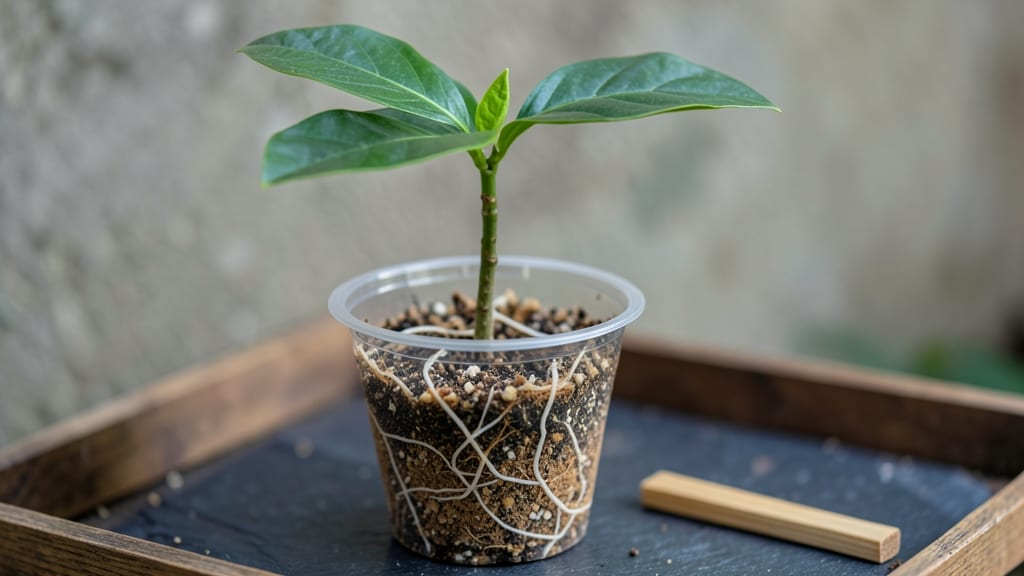
Growing a mango tree from a seed starts with that first root—thin, stubborn, and full of tropical promise. 🌱 I’ve watched seeds sprout into 10-foot trees in my backyard, and the process is simpler than you’d think, especially with the right soil and patience.
The key isn’t magic; it’s understanding how moisture, warmth, and time work together to coax life from a tiny pit.
You’ll need just three things: a ripe mango (the fresher, the better), a shallow container with damp paper towels or soil, and a sunny windowsill or warm spot. Skip the fancy equipment—this is a foolproof method that works even if you’ve never grown anything before.
Most seeds sprout roots within 2-4 weeks, but some take longer, so don’t rush it.
Once roots appear, you’ll transplant into soil and watch them thicken into a sturdy base. By 3-6 months, you’ll have a small sapling ready for its forever home in the ground—or a big pot if you’re keeping it indoors.
The real reward? That first leaf, bright and glossy, proving your tiny seed is on its way to becoming a tree.
Troubleshooting is easy: if your seed rots, it’s too wet; if it stays dormant, it needs warmth. Patience is the only tool you’ll truly need. Here’s how to get started without the guesswork.
📚 In This Guide
- What you need
- Instructions
- Tips and common mistakes
- Wrapping up and next steps
What you need
- ● Mango seed – 1 fresh, plump seed (preferably from a ripe, organic mango). Pro tip: Avoid seeds from hybrid or grafted mangoes—they may not grow true to fruit type!
- ○ Small pot or container – 1 (4–6 inches deep) with drainage holes. Optional: A plastic cup with holes poked in the bottom works too!
- ● Well-draining potting mix – 1 bag (look for a blend labeled "seed starting mix" or "cactus/succulent mix"). Skip the heavy garden soil—it holds too much moisture!
- ● Watering can or spray bottle – 1 (for gentle hydration). Overwatering is the #1 killer of mango seedlings!
- ○ Plastic wrap or humidity dome – 1 sheet (to create a mini greenhouse effect). Optional: A clear plastic bag with holes works too.
- ● Sunlight access – A bright windowsill (south-facing) or a grow light. Mango seeds crave warmth—think tropical vibes!
- ● Pruning shears – 1 (for trimming roots or future pruning).
- ● Fertilizer (balanced, 10-10-10) – 1 small bottle (once the seedling sprouts leaves). Start light—too much too soon can shock the plant!
- ○ Thermometer/hygrometer – 1 (to monitor temperature/humidity, ideal: 75–85°F). Optional but helpful for indoor growers.
- ● Larger pot (1–2 gallons) – 1 (for transplanting after 3–6 months).
- ● Patience – Germination can take weeks to months. 💡 Pro tip: Soak the seed in warm water for 24–48 hours before planting to speed it up!
- ● Consistency – Mango seed roots thrive on routine. Aim for daily checks on moisture and light.
- ● Space for growth – Mango trees can grow 30+ feet tall! Plan for outdoor transplanting eventually (if in a warm climate).
Step-by-step guide to growing a mango tree from seed
Here's how to turn a single seed into a tropical tree—no fancy tools needed.
🌱 Step 1: Select and Prepare the Seed
Start with a fresh, plump mango seed—avoid dried or cracked ones. Rinse it thoroughly under warm water to remove any fruit residue, then let it dry completely for 24 hours. This prevents rot and helps the seed stay healthy during germination.
Place the seed between two damp paper towels, folding them so the seed is snug but not crushed. Store the wrapped seed in a clear plastic bag to retain moisture. Keep it in a warm spot (75-85°F)—a sunny windowsill or atop the fridge works well. Check daily and mist with water if the towels dry out; you'll see tiny roots emerge in 2-4 weeks.
🌿 Step 2: Plant the Germinated Seed
Once the root reaches 1-2 inches long, it's time to plant. Fill a 4-inch pot with well-draining potting mix (avoid garden soil—it compacts and suffocates roots). Make a small hole in the center, about 1 inch deep, and gently place the seed so the root points downward and the top half remains above soil.
Press the soil lightly around the seed to secure it, then water gently until moisture seeps from the drainage hole. Place the pot in bright, indirect light—direct sun can scorch the delicate seedling. Keep the soil evenly moist (not soggy) by watering when the top inch feels dry. You'll notice first true leaves in 4-6 weeks.
☀️ Step 3: Transition to Outdoor Conditions
After 3-4 months, when the seedling has 4-5 leaves, it’s ready for a larger 6-inch pot with fresh potting mix. Gradually introduce it to outdoor conditions by placing it in partial shade for 1-2 hours daily, increasing exposure over 2 weeks. This "hardening off" prevents shock from sudden sun or wind.
Once hardened off, move the pot to a sunny outdoor spot (at least 6 hours of direct sun daily). Mango trees thrive in warm climates (USDA zones 10-11), but young seedlings can tolerate cooler temps if protected. Water deeply once a week, letting the soil dry slightly between waterings. Watch for new growth—this signals your tree is adapting!
Tips & tricks for perfect mango seed root growth
Here's what nobody tells you—those little details that make all the difference between a thriving seedling and a failed experiment.
The Warmth Factor: That 75-85°F range isn't just arbitrary—it mimics tropical conditions where mangoes naturally grow. If your home runs cooler, place the seedling on top of your fridge or near a sunny window with a small space heater (set to low) during germination. I learned this the hard way after watching roots fail to emerge in a chilly basement. The key is consistent warmth, not extreme heat.
Moisture Balance: When checking your seedling's moisture, stick your finger an inch into the soil—if it feels dry at that depth, it's time to water. Overwatering is the silent killer of young seedlings. I've seen roots rot from soggy soil within days. The goal is damp, not wet. For the 4-inch pot stage, water when the top inch feels dry, and always use room-temperature water to avoid shocking the roots.
Lighting Strategy: Bright, indirect light is crucial during the first 4-6 weeks, but don't assume all light is good light. South-facing windows work best in northern hemispheres, but if you don't have one, a grow light on a timer (12-14 hours daily) works wonders. I placed my seedling under a simple LED bulb for 12 hours and saw leaves appear twice as fast compared to natural light alone. Just avoid direct sun—it can scorch delicate new leaves.
Hardening Off Hack: That 2-week gradual transition is critical, but here's a pro move: start your hardening off process indoors. Move the pot to a shaded balcony or covered porch during the day, then bring it back inside at night for the first week. This mimics natural day/night cycles and helps your seedling adjust to outdoor conditions without the shock of full exposure. I've seen seedlings that would have wilted under sudden outdoor placement thrive with this gradual approach.
Pro Tips for Mango Seed Root
- Here's what nobody tells you—those little details that make all the difference between a thriving seedling and a failed experiment.
- The Warmth Factor: That 75-85°F range isn't just arbitrary—it mimics tropical conditions where mangoes naturally grow.
- Moisture Balance: When checking your seedling's moisture, stick your finger an inch into the soil—if it feels dry at that depth, it's time to water.
Frequently asked questions
How long does it take for a mango seed root to sprout?
A mango seed typically sprouts within 2–4 weeks if kept in warm, moist conditions. Patience is key—some seeds take longer, especially if stored improperly. Keep the soil consistently damp (but not soggy) and place the pot in a sunny spot to encourage germination.
Can I grow a mango tree from a store-bought mango seed?
Store-bought mango seeds are viable, but the resulting tree may not produce fruit identical to the parent mango. For better fruit quality, use seeds from a heirloom or grafted variety. If you’re just experimenting, store-bought seeds work great for learning the process.
How do I protect my mango seedling from cold weather?
Mango seedlings are tropical and cannot tolerate frost. If temperatures drop below 50°F (10°C), move the pot indoors near a sunny window or use a grow light. In colder climates, grow seedlings in containers so you can bring them inside during winter. A heat mat can also help keep roots warm.
What should I do if my mango seed root turns yellow or wilts?
Yellowing leaves or wilting often signal overwatering, underwatering, or root rot. Check the soil moisture—it should be damp but not waterlogged. If roots smell foul or look mushy, repot in fresh, well-draining soil and trim any damaged roots. Let the soil dry slightly between waterings to prevent rot.
Can I plant a mango seed root directly in the ground, or should I start indoors?
Starting indoors (6–8 weeks before last frost) gives seedlings a healthier head start, especially in cooler climates. Once the seedling is 12+ inches tall and warm weather arrives, transplant it outdoors in well-draining soil. Avoid direct outdoor planting in cold areas—young roots are fragile!
Wrapping up and next steps
Growing a mango seed root is a rewarding journey that brings a taste of the tropics to your backyard—or even indoors! 🌱 With just patience, the right soil, and a little care, you’ll nurture a thriving tree from a humble seed.
Whether you’re dreaming of homegrown mangoes or simply love watching nature flourish, this guide makes it simple.
Ready to take the next step? Start with one seed today—your future tropical tree is waiting! 🌴