
Lawn
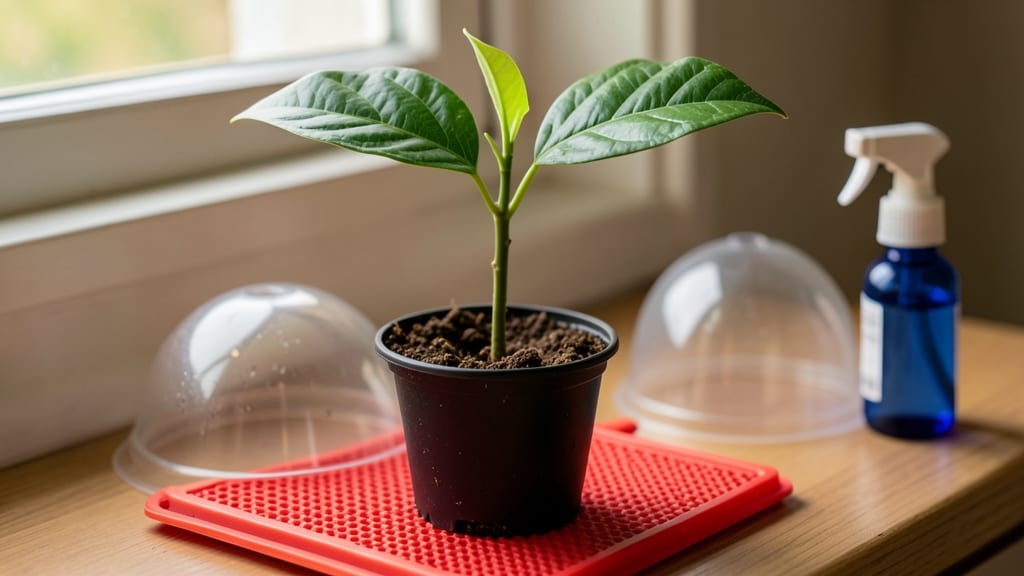
Growing a mango tree from seed in NYC might sound like a tropical fantasy, but I've turned my kitchen counter into a mini jungle with this exact method. 🌱 The key isn't just patience—it's understanding how to mimic the tropical conditions your seedling needs when it's too cold for outdoor growing.
My first mango seedling now sports glossy leaves and a sturdy trunk, proof that urban gardeners can grow tropical gems indoors.
You'll need just three things to start: a fresh mango pit, a small pot with drainage, and a bright windowsill (or grow light). The real secret isn't fancy equipment—it's maintaining consistent warmth and humidity, which is easier than you'd think with a few household tricks.
Most people quit after the first month when growth slows, but that's when the magic starts happening underground.
By year two, you'll have a thriving houseplant that could one day produce fruit—though it might take five years or more. The real reward is the lush, tropical vibe it brings to any NYC apartment, with broad leaves that feel like a vacation from the city's concrete jungle.
Even in winter, when other plants droop, your mango tree stays vibrant with the right care.
This method works for any urban space, from tiny apartments to rooftop gardens. The biggest challenge is winter light, but with a simple grow bulb, you can keep your mango tree growing year-round. Let's get those seeds sprouting—your future tropical oasis starts with one small pit.
📚 In This Guide
- What you need
- Instructions
- Tips and common mistakes
- Wrapping up and next steps
What you need
- ● Mango seed: 1 fresh, ripe mango seed (preferably from a variety suited for NYC’s climate, like ‘Keitt’ or ‘Haden’).
- ● Potting mix: 1 bag (12-16 quarts) of well-draining, peat-free potting soil (e.g., Miracle-Gro Indoor Potting Mix).
- ● Small pot: 1-2 4-6 inch diameter nursery pots with drainage holes (plastic or terracotta).
- ● Spray bottle: 1 for gentle watering (avoid over-saturating the seed).
- ● Plastic wrap or humidity dome: To create a mini greenhouse effect.
- ○ Grow lights or sunny windowsill: A full-spectrum LED grow light (optional but helpful for indoor starts).
- ● Fertilizer: 1 bottle of balanced liquid fertilizer (e.g., 10-10-10) for seedlings.
- ● Pruning shears: Small, sharp pair for trimming as it grows.
- ● Larger container: 1 5-gallon pot or fabric grow bag (for transplanting after 6-12 months).
- ● Mulch: Organic mulch (e.g., shredded bark) to retain moisture (once outdoors).
- ● NYC-specific gear: 1 portable fan (to prevent fungal growth in humid NYC summers).
- ○ 1 heat mat (optional, for indoor germination in cooler months).
- ● Patience: Mango trees take 3-5 years to bear fruit from seed!
- ● NYC apartment-friendly space: A sunny spot (south-facing window or balcony) or access to a community garden.
- ● Knowledge of NYC’s climate: Mangoes thrive in USDA Zones 10-11—outdoor planting in NYC requires container gardening or winter protection.
Step-by-Step instructions for growing a mango tree from seed in NYC
Your urban mango adventure starts here—growing a tropical gem right on your NYC balcony.
🌱 Step 1: Extract and Prepare the Seed
Save a fresh mango seed from a ripe fruit—never dried or stored seeds, as they won’t germinate. Remove the seed by cutting the mango open and scooping out the pit. Rinse it under cool water to remove any fruit residue, then gently dry it with a paper towel. This ensures no mold or bacteria slows down germination.
Here’s the trick: soak the seed in warm water for 24 hours to soften the hard outer shell. I like to place it in a small bowl with enough water to cover it completely. After soaking, you’ll notice the seed swells slightly—this signals it’s ready for planting. Don’t skip this step; the tough shell can delay germination for weeks.
🪴 Step 2: Plant the Seed in a Small Pot
Use a 4-inch diameter pot filled with well-draining potting mix—never garden soil, as it compacts too easily. Make a small hole about 1 inch deep in the center of the pot and place the seed with the pointed end facing downward. Cover it lightly with soil, pressing down gently to secure it without compacting.
Water the soil until it’s moist but not soggy—think of it as damp like a wrung-out sponge. Place the pot in a warm spot, like on top of your fridge or near a sunny window, where temperatures stay between 70-80°F. A seedling heat mat can help if your apartment runs cooler. Keep the soil consistently moist but never waterlogged; overwatering is the #1 killer of young mango seedlings.
☀️ Step 3: Provide Warmth and Indirect Light
Mango seeds need warmth to germinate, so place the pot in a location with indirect sunlight—like an east-facing window—to avoid scorching the delicate sprout. You’ll see the first signs of life in 2-4 weeks, when a tiny shoot breaks through the soil. Once the sprout reaches 2-3 inches tall, it’s time to move it to a slightly larger pot, about 6 inches in diameter, to give the roots room to grow.
Here’s where NYC’s climate plays a role: if your apartment gets chilly at night, consider using a small greenhouse dome or plastic wrap to trap heat. Remove it once the seedling shows true leaves (the second set after the initial cotyledons). Watch for leggy growth—a sign it’s stretching toward light—and adjust the pot closer to the window if needed.
🌿 Step 4: Transplant and Care for the Seedling
After 4-6 weeks, when the seedling has 4-6 true leaves, transplant it into a 1-gallon pot with fresh potting mix. Handle the roots gently to avoid damage, and place the pot in a spot with bright, indirect light for at least 6 hours a day. Mango trees love warmth, so keep the soil temperature above 60°F—a heat mat can help during cooler NYC nights.
Water the seedling when the top inch of soil feels dry, but avoid letting it sit in water. Fertilize lightly every 4-6 weeks with a balanced, water-soluble fertilizer diluted to half strength. You’ll know it’s thriving when new leaves appear regularly and the stem stays sturdy. Patience is key—it can take 2-5 years for a mango tree grown from seed to bear fruit, but the journey is worth it.
⏰ Step 5: Prepare for Outdoor Conditions (Seasonal)
Once the seedling is 12-18 inches tall and temperatures stay above 55°F at night, you can move it outdoors during the day. Start with 2-3 hours of sunlight and gradually increase exposure over 1-2 weeks. Choose a spot with partial shade to protect the young tree from harsh NYC sun and wind.
Bring the pot indoors before temperatures drop below 50°F, as mango trees are tropical and sensitive to cold. Over time, you’ll learn to read your tree’s signals: yellowing leaves mean it’s too cold or thirsty, while slow growth could indicate insufficient light. With care, your urban mango can grow into a stunning 10-15 foot canopy—a true NYC oasis.
Tips & tricks for growing a mango tree from seed in NYC
Here's what nobody tells you about nurturing a tropical tree in your city apartment—these are the details that make all the difference.
Germination Timing: The 24-hour soak is non-negotiable for breaking the seed's tough shell. I've seen seeds take 3-4 weeks to germinate when skipped, but with proper soaking, you'll typically see sprouts in 2-4 weeks. Keep the water warm (around 70°F) during soaking—cold water slows the process. If your seed doesn't sprout after 4 weeks, it might not be viable, so don't waste time waiting beyond that point.
NYC-Specific Light Strategy: East-facing windows are ideal for Step 3's indirect sunlight requirement, but if that's not an option, supplement with a grow light for 6 hours daily. I use a simple LED bulb on a timer—just 12 inches above the pot works wonders. The key is mimicking natural light cycles without burning delicate seedlings. Watch for leaves turning yellow or stretching toward light (leggy growth), which means it needs more illumination.
Transplanting Technique: When moving to the 1-gallon pot in Step 4, handle the roots like you're cradling a baby bird—gentle but firm. The root ball should stay intact to avoid shock. I like to water the seedling thoroughly before transplanting so the roots slide out easily. After repotting, give it a week of extra care with slightly more frequent watering to help it adjust to its new home.
Seasonal Transition Hack: For Step 5's outdoor acclimation, I create a "sunny room" by placing the pot near a south-facing window during the day, then moving it to a cooler spot at night. This gradual transition mimics outdoor conditions without sudden temperature shocks. Use a small fan on low setting to help the seedling develop stronger stems—this prevents it from becoming a weak, floppy plant when you eventually move it outside.
Pro Tips for Mango Seed Nyc
- Here's what nobody tells you about nurturing a tropical tree in your city apartment—these are the details that make all the difference.
- Germination Timing: The 24-hour soak is non-negotiable for breaking the seed's tough shell.
- NYC-Specific Light Strategy: East-facing windows are ideal for Step 3's indirect sunlight requirement, but if that's not an option, supplement with a grow light for 6 hours daily.
Frequently asked questions
Can a mango seed from store-bought fruit actually grow into a tree in NYC’s climate?
Yes, but with patience! Mango seeds can sprout, but NYC’s cold winters (Zone 8-9) mean your seedling will need container protection or indoor overwintering. Most growers keep them as houseplants or relocate pots to warmer zones temporarily. If you’re committed, choose cold-hardy varieties like ‘Ice Cream’ or ‘Julie’ for better odds.
How long does it take for a mango seed to sprout, and when will it bear fruit?
Sprouting takes 2–4 weeks if kept warm (70–80°F) and moist. However, fruiting is a long game: Mango trees grown from seed can take 5–10 years to bear fruit—and even then, NYC’s climate may limit production. For faster results, consider grafting or buying a young tree from a nursery.
What’s the best way to protect a mango seedling from NYC’s harsh winters?
NYC’s winters are tricky, but these steps help:
- Use containers (at least 5-gallon pots) for easy relocation.
- Move pots indoors (near a sunny window or grow light) when temps drop below 40°F.
- Insulate with burlap or a frost blanket if outdoors, and bury pots in mulch.
- Consider a greenhouse or sunroom for larger trees.
Is it safe to eat fruit from a mango tree grown from seed?
Technically yes, but caveats apply:
- Seed-grown trees may produce smaller, less flavorful fruit than grafted varieties.
- Pesticide use (if outdoors) could contaminate fruit—opt for organic methods!
- NYC-grown mangoes are rarely sweet due to climate; treat them as ornamental or novelty treats.
What are the best alternatives to mango seeds for NYC gardeners?
If mango seeds seem too finicky, try these low-maintenance, cold-tolerant urban trees:
- Dwarf citrus (e.g., ‘Calamondin’) – Thrives in containers, fragrant blooms.
- Japanese maple – Stunning foliage, hardy to Zone 5.
- Fig trees (e.g., ‘Brown Turkey’) – Edible fruit, drought-resistant.
- Dwarf avocado – Indoor-friendly, unique tropical vibe.
Wrapping up and next steps
Growing a mango tree from seed in NYC is a rewarding journey that transforms a tiny seed into a stunning urban lawn gem—proving nature thrives even in city spaces! 🌱 Whether you’re drawn to the tropical vibes, the sweet scent of blossoms, or the joy of nurturing life from scratch, your patience will pay off with a lush, leafy canopy.
Ready to take the next step? Plant your seed, tend to it with care, and watch your little slice of paradise grow! 🌳
Next up: Share your mango seed adventure on social media with #MangoSeedNYC—inspire others to bring a taste of the tropics to their own green spaces!