
Propagation
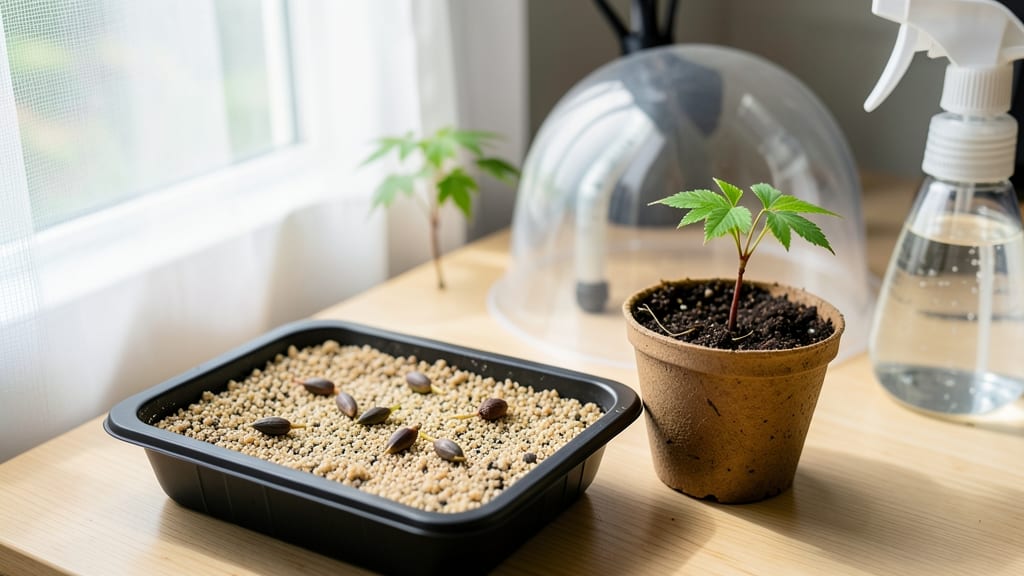
Japanese maple seed germination demands cold, damp patience—not just soil and sunlight—to break dormancy. 🌱 I’ve watched tiny seeds transform into delicate seedlings after months of careful prep, and the wait is worth every crinkled leaf. The key isn’t rushing them; it’s mimicking nature’s winter chill to unlock their potential. You’ll need a mix of pearlite and potting soil (equal parts), a sealed plastic bag for moisture, and a fridge for the 8-12 week cold treatment. Skip this step, and you’ll stare at dry, unbroken seeds for years. But when done right, those first pale sprouts appear in 60-90 days, proving the wait was worth it. Once germination starts, keep the soil consistently moist (not soggy) and move pots to bright, indirect light. Seedlings grow slowly at first—think 1-2 inches in their first year—but with gentle care, they’ll develop the iconic lace-like leaves that make Japanese maples so special. This method works for Acer palmatum and its cultivars, though some varieties (like ‘Bloodgood’) may take longer. Patience is the real secret—these seeds aren’t in a hurry, and neither should you be.
📚 In This Guide
- What you need
- Instructions
- Tips and common mistakes
- Wrapping up and next steps
What you need
- ○ Japanese maple seeds – Fresh or stored (preferably from a winged samara or helicopter seed). Cold-stratification setup: A ziplock bag or seed-starting tray (with drainage holes). Moistened peat moss, perlite, or vermiculite (1–2 cups). Paper towels or coffee filters (optional, for seed pre-soaking).
Step-by-step instructions for germinating Japanese maple seeds
Here's how to break the dormancy cycle and coax those stubborn seeds into life within three months.
🌱 Step 1: Harvest and Prepare Fresh Seeds
Collect seeds from fully ripe samaras (the winged fruit) in late autumn when they've naturally dropped. The key here is freshness—seeds lose viability quickly once detached from the tree. I like to store them in a paper envelope in the fridge until I'm ready to stratify, but never freeze them. Japanese maple seeds require a cold period to mimic natural winter conditions.
Before stratification, remove any remaining wing tissue and any seeds that look shriveled or damaged. Healthy seeds should be plump and dark brown. I soak them in lukewarm water for 12 hours to soften the hard outer shell—this helps water penetrate during stratification. Drain well after soaking and let them air-dry on a paper towel overnight.
❄️ Step 2: Cold-Stratify for 60-90 Days
Place the prepared seeds in a sealed plastic bag with a small amount of moistened peat moss or vermiculite—just enough to keep things damp but not soggy. I use a 4-inch deep container filled with this mix and bury the seeds about 1 inch deep. The cold stratification period is critical: store the container in your refrigerator's crispier drawer (around 35-40°F) for 60-90 days.
Check the moisture weekly—never let it dry out completely, but avoid standing water. You'll see the seeds begin to swell slightly after about 30 days, which is your first sign they're breaking dormancy. If mold appears, discard the batch immediately and start fresh with new seeds.
☀️ Step 3: Sow Stratified Seeds in Germination Mix
After stratification, fill small 2-inch pots with a sterile seed-starting mix (never garden soil—it's too dense). I like to add a 50% perlite mix to improve drainage, as Japanese maple seedlings are particularly sensitive to root rot. Moisten the mix until it's damp but not dripping, then make small ¼-inch deep holes with your finger.
Place 1-2 seeds per pot at the correct depth—deeper planting delays germination because the seedling must push through more soil. Gently press the soil around the seeds to ensure good contact. Cover the pots with clear plastic wrap to retain humidity, then place them in a warm (65-75°F) location out of direct sunlight. Germination typically occurs in 7-21 days, but patience is key.
🌿 Step 4: Provide Ideal Growing Conditions
The moment you see first true leaves (not the initial seed leaves), remove the plastic wrap and move the seedlings to bright, indirect light. I use a grow light on a 14-hour cycle to prevent leggy growth. Japanese maple seedlings are slow growers, so avoid disturbing the roots—transplant only when they've developed 3-4 true leaves (usually after 90 days).
Keep the soil evenly moist but never waterlogged. You'll know it's time to water when the top inch feels dry to the touch. Overwatering is the #1 killer of young seedlings—yellowing leaves are your first warning sign. Fertilize lightly with a balanced 10-10-10 solution at half-strength once the seedlings have 4-5 leaves, but never fertilize before germination.
Tips & tricks for perfect Japanese maple seed germination
These pro insights will help you navigate the delicate balance of moisture, temperature, and patience required for successful Japanese maple seed germination.
Seed Selection: When harvesting samaras, prioritize seeds that have naturally dropped rather than forcibly removed ones. The natural abscission process indicates full ripeness. I've found that seeds collected from the ground in late autumn—after they've had a natural drying period—germinate at higher rates than freshly picked ones. Look for seeds that are plump, dark brown, and free of cracks or shriveled spots; these are your best candidates for successful stratification.
Stratification Environment: The refrigerator's crispier drawer at 35-40°F provides the ideal cold stratification environment, but if you don't have one, consider using a dedicated seed refrigerator or even a well-insulated cooler with ice packs. The key is maintaining consistent moisture without letting the medium dry out completely. I've had success using a simple plastic container with a tight-fitting lid to prevent moisture loss while allowing the seeds to breathe slightly. The 60-90 day window is non-negotiable—this cold period mimics winter conditions and breaks the seed's dormancy cycle.
Germination Monitoring: After about 30 days of stratification, you should notice the seeds beginning to swell slightly as they break dormancy. This is your first visual cue that the process is working. If you don't see this swelling by day 45, it's worth checking for mold or excessive moisture. Remember that Japanese maple seeds are notoriously slow to germinate, so patience is absolutely essential. The 7-21 day germination window after sowing can feel like an eternity, but resist the urge to disturb the seeds or check them too frequently—this can disrupt their delicate development.
Light Transition Strategy: When you finally see those first true leaves emerge (not the initial seed leaves), it's time to transition to bright, indirect light. I've found that using a grow light on a 14-hour cycle prevents leggy growth that can occur with natural light variations. Place the seedlings about 4-6 inches below the light source and adjust as they grow. The moment you remove the plastic wrap, increase air circulation slightly to prevent fungal issues, but avoid creating drafts that could stress the delicate seedlings.
Pro Tips for Japanese Maple Seed Germination
- These pro insights will help you navigate the delicate balance of moisture, temperature, and patience required for su...
- Seed Selection: When harvesting samaras, prioritize seeds that have naturally dropped rather than forcibly removed on...
- Stratification Environment: The refrigerator's crispier drawer at 35-40°F provides the ideal cold stratification envi...
Frequently asked questions
Got questions about sprouting Japanese maple seeds? You’re not alone—this process can feel tricky! Below, we’ve tackled the most common queries to help you navigate germination with confidence.
How long does it take for Japanese maple seeds to germinate?
With cold stratification, most seeds sprout within 90–120 days after starting the process. Patience is key—some varieties may take longer, especially if stratification isn’t consistent (e.g., temps fluctuating above 40°F/4°C). Keep soil moist but not soggy, and check weekly for tiny green shoots!
Can I skip cold stratification? Will seeds still germinate?
Cold stratification mimics winter, breaking seed dormancy—skipping it drastically reduces success rates. Without it, seeds may rot or stay dormant for years. If you’re in a warm climate, try refrigerating seeds for 3–4 months before planting. No shortcuts here!
What if my seeds mold or rot during stratification?
Mold or rot usually means too much moisture or poor airflow. Drain excess water from containers, use sterile potting mix, and avoid sealing lids tightly. If mold appears, discard the batch and restart with fresh seeds. A 50/50 mix of perlite and peat helps prevent this.
How do I know if a seed is viable before planting?
Test viability by floating seeds in water: Sinkers are likely viable; floaters are probably dead. For extra confirmation, cut open a few seeds—look for a plump, firm interior (not shriveled or hollow). Healthy seeds should also feel heavy for their size.
Should I use grow lights after germination?
Once sprouts emerge, natural light is ideal, but supplement with a grow light (12–14 hrs/day) if indoors. Seedlings are delicate—avoid direct sun until they’re hardened off. A south-facing window or LED grow bulb works best. Yellowing leaves? That’s a sign of insufficient light!
Wrapping up and next steps
Growing a Japanese maple from seed is a rewarding journey—one that blends patience with the joy of nurturing life from the smallest beginnings! 🌱 With the right cold stratification and care, you’ll witness those delicate sprouts emerge in just 90 days.
Whether you’re a seasoned gardener or a curious beginner, these steps unlock the magic of propagation, turning seeds into stunning trees with vibrant foliage.
Now that you’re armed with knowledge, take the next step: gather your seeds, set up your stratification station, and watch your garden grow! Share your progress or ask questions—every expert was once a beginner. Happy planting! 🌿