
Propagation
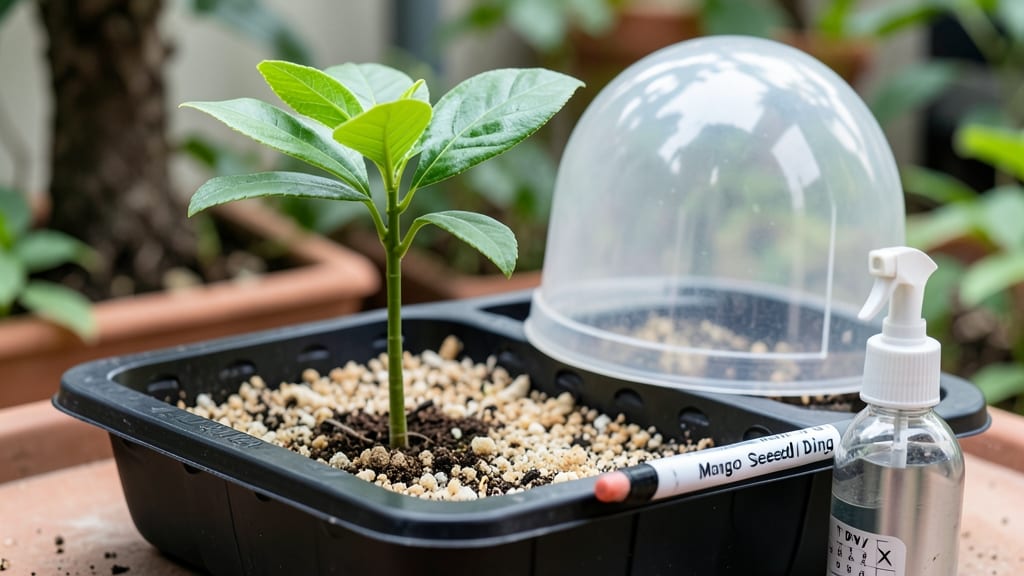
Your mango seed could sprout in as little as 25 days—but the mango seed germination time can stretch to 40 if you perfect the warmth and moisture. 🌱 I’ve watched seeds crack open like tiny green surprises, and the key isn’t luck but creating the right cozy conditions.
Too cold? They’ll stall. Too dry? They’ll give up. But with the right setup, you’ll see those first leaves push through in just a few weeks.
Start with a warm spot—75–85°F is ideal—because mango seeds need heat to wake up. I use a seedling heat mat under my pots, but a sunny windowsill or even a warm kitchen cabinet works too.
Keep the soil damp (not soggy) and cover the pot with plastic wrap to trap humidity. The goal? Mimic the tropical climate where mango trees grow naturally.
By day 30, you might spot the first 1–2 inch sprout breaking through, followed by true leaves in another 2–3 weeks. The real magic happens when you transplant the seedling into a bigger pot—its roots will grow fast once it’s out of the cramped seed stage.
Just be patient; slow starters often catch up once they’re established.
Common pitfalls? Overwatering (which causes rot) or moving the seed too soon (which shocks the roots). If your seedling stalls after 60 days, try gently scratching the seed coat—sometimes it’s just too thick.
With the right care, you’ll have a 3–4 foot sapling in a year, ready to move outside in warmer climates.
📚 In This Guide
- What you need
- Instructions
- Tips and common mistakes
- Wrapping up and next steps
What you need
- ● Mango seed: 1–2 fresh, plump seeds (harvested from a ripe, organic mango—avoid seeds from store-bought fruit treated with germination inhibitors).
- ● Small pots or containers: 2–4 (4–6 inches deep) with drainage holes. Options: plastic nursery pots, biodegradable peat pots, or even repurposed yogurt cups.
- ● Potting mix: 1–2 bags of well-draining, sterile seed-starting mix (avoid garden soil—it may harbor pests or diseases). Pro tip: Mix in perlite or vermiculite (1 part) for aeration.
- ● Watering can or spray bottle: With a fine mist nozzle for gentle hydration.
- ● Plastic wrap or clear lid: To create a humidity dome (e.g., a ziplock bag or a plastic clamshell).
- ○ Heat source: A seedling heat mat (optional but highly recommended) or a warm spot like a sunny windowsill (70–90°F/21–32°C ideal).
- ● Scissors or knife: For trimming seeds or pots if needed.
- ● Label markers: To track planting dates (germination timing varies!).
- ● Grow lights: LED or fluorescent bulbs (12–16 hours/day) for seedlings before transplanting outdoors.
- ● Fertilizer: A balanced, water-soluble fertilizer (diluted to half-strength) for seedlings after 4–6 weeks.
- ● Humidity tray: A shallow tray with pebbles and water to maintain moisture levels.
- ● Seedling trays: With individual cells for better organization as sprouts grow.
Step-by-Step instructions for germinating mango seeds
Here's how I turn grocery-store mango pits into thriving seedlings—no fancy tools needed.
🌱 Step 1: Extract and Prepare the Seed
Cut open a ripe mango and carefully remove the large, flat seed—this is your starting point. Rinse off any remaining fruit pulp with water, then let it dry completely for 24 hours. The seed's outer shell is tough, so I like to use a sharp knife to score the sides lightly, about ¼ inch deep—this helps water penetrate later without damaging the embryo inside.
Don't skip this drying step. A damp seed will rot before it even sprouts. Place it on a paper towel in a warm spot (like near a sunny window) and check daily. Once completely dry, wrap the seed in a damp paper towel and fold it into a loose bundle. This keeps moisture even while allowing airflow.
💧 Step 2: Soak and Monitor for Sprouting
Place the wrapped seed in a sealed plastic bag and store it in a warm spot—75-85°F is ideal. I keep mine on top of my fridge or near a heat vent. Check the towel daily—it should stay moist but not soggy. If it dries out, mist it lightly with water and reseal the bag.
Germination can take 25-40 days, but I've seen seeds sprout as early as 2 weeks or as late as 60 days if conditions aren't perfect. Watch for the first tiny root to emerge—it'll push through the seed's bottom. Once you see this, remove the seed from the bag and place it in a small container with 1 inch of water so the root stays submerged but the seed stays above water.
☀️ Step 3: Transplant to Soil When Roots Appear
After 1-2 inches of roots grow, it's time to move the seed to soil. Use a small pot with drainage holes and fill it with a mix of 50% potting soil and 50% perlite. Make a small hole about 1 inch deep and place the seed so the roots dangle into the hole. Cover the seed lightly with soil, leaving the top half exposed.
Water gently until moisture seeps from the drainage hole, then place the pot in bright, indirect light. Avoid direct sun at first—young seedlings can scorch easily. Keep the soil consistently moist but never waterlogged. Within 2-4 weeks, you should see the first true leaves emerge from the top of the seed.
🌿 Step 4: Care for the Seedling Through Early Growth
Once the seedling has 2-3 sets of true leaves, it's ready for its first true transplant. Choose a slightly larger pot (about 4 inches wide) and use the same soil mix. Gently remove the seedling from its original pot, being careful not to damage the roots, and place it in the new container at the same depth it was growing before.
Here's the thing—mango seedlings grow slowly at first but can reach 3 feet in their first year if given proper care. Keep the soil moist but well-draining, and rotate the pot weekly so the plant grows straight. When you see new growth, it's time to fertilize lightly with a balanced, water-soluble fertilizer diluted to half strength.
Tips & tricks for perfect mango seed germination
Here's what I learned after watching dozens of mango seeds go from pit to pot—these little details make all the difference.
Drying is Non-Negotiable: That 24-hour drying period in Step 1 isn't just about removing pulp—it's about preventing mold. I've seen seeds rot within days when people rush this step. Place your seed on a paper towel in a warm spot (like a sunny windowsill) and check it daily. If it feels damp inside the shell, extend the drying time. The goal is to have it feel completely dry to the touch before wrapping.
Temperature Matters: The 75-85°F range in Step 2 is your sweet spot. If your home runs cooler, try placing the seed near a heat vent or on top of your fridge. I've had seeds germinate in just 2 weeks when kept at the higher end of this range, but they can take twice as long if too cold. A simple thermometer near your seed setup helps track this—no guesswork needed.
Root Growth Check: When you see those first roots in Step 3, don't be fooled by short sprouts. Wait until you have 1-2 inches of roots before transplanting. I've seen impatient gardeners move seeds too soon, which often results in root damage when transferring to soil. The roots should feel firm and well-developed—like tiny white strings, not fragile threads.
Light Strategy: That bright, indirect light in Step 3 is crucial for the first true leaves. Direct sun can scorch tender seedlings, while too little light makes them leggy. I place my pots near an east-facing window where they get morning sun but afternoon shade. If your space lacks natural light, a grow light on a timer (12-14 hours/day) works wonders—just keep it 6 inches above the seedlings.
Pro Tips for Mango Seed Germination Time
- Here's what I learned after watching dozens of mango seeds go from pit to pot—these little details make all the difference.
- Drying is Non-Negotiable: That 24-hour drying period in Step 1 isn't just about removing pulp—it's about preventing mold.
- Temperature Matters: The 75-85°F range in Step 2 is your sweet spot.
Frequently asked questions
Got questions about germinating mango seeds? You’re not alone! Here are some of the most common concerns—and quick answers to help you grow confidently.
How long does it really take for a mango seed to sprout?
A healthy mango seed typically sprouts in 25–40 days, but timing depends on warmth (70–90°F), moisture, and seed freshness. Older or dried seeds may take longer—sometimes up to 60+ days. Patience is key! If no sprouts appear after 2 months, try soaking the seed overnight in warm water to rehydrate it.
What if my seed won’t germinate in cold weather?
Mango seeds hate the cold—they need consistent warmth to sprout. If your climate dips below 60°F (15°C), use a seedling heat mat (set to 80–85°F) or place the pot near a sunny window/south-facing wall. A DIY solution: Wrap the pot in bubble wrap or move it indoors near a warm spot like a fridge (but not in it—mold risk!).
Can I speed up germination with tricks like soaking or scarification?
Soaking the seed in warm water (80°F) for 12–24 hours before planting can soften the shell and jumpstart growth. Scarification (lightly sanding the seed’s hard outer layer) is rarely needed for mangoes, but if your seed is extra tough, a gentle file or knife can help. Just avoid damaging the seed inside!
What do I do if my seed sprouts but the plant grows weird (e.g., leggy or yellow leaves)?
Leggy or pale seedlings often mean too little light or overwatering. Move your seedling to a bright, indirect spot (south window or grow light) and let the top inch of soil dry out between waterings. Yellow leaves? Check for root rot—if the soil smells sour, repot in fresh, well-draining mix. A weak seedling might also need a fertilizer boost (use a diluted 10-10-10 formula after 4–6 weeks).
Can I grow a mango tree from a store-bought seed, or will it be different from the parent fruit?
Yes, you can grow a mango tree from a grocery-store seed, but it won’t be identical to the parent fruit. Mango trees grown from seed are wild-type and may produce small, tart, or inedible fruit after 5–10 years. For true-to-parent trees, grafted varieties (from nurseries) are the way to go—but seed-grown trees are still rewarding for their hardiness and unique surprises!
Pro Tip: Label your seeds!
If you’re experimenting with multiple mango varieties, write the date and type on a popsicle stick near each pot. This helps track germination time and compare growth habits later. Trust us—future you will thank present you!
Wrapping up and next steps
Growing a mango tree from seed is a rewarding journey—patience and warmth are your best allies!
With the right conditions, you’ll see those first sprouts in just 25–40 days, proving that nature’s magic is always worth the wait. 🌱 Once your seedling is thriving, the next step? Transplanting it into a pot or garden bed—where it can grow into a lush, fruit-bearing tree with time and care.
Don’t let the waiting slow you down—start your mango adventure today, and soon you’ll be harvesting your own sweet rewards! 🍈✨