
Planting
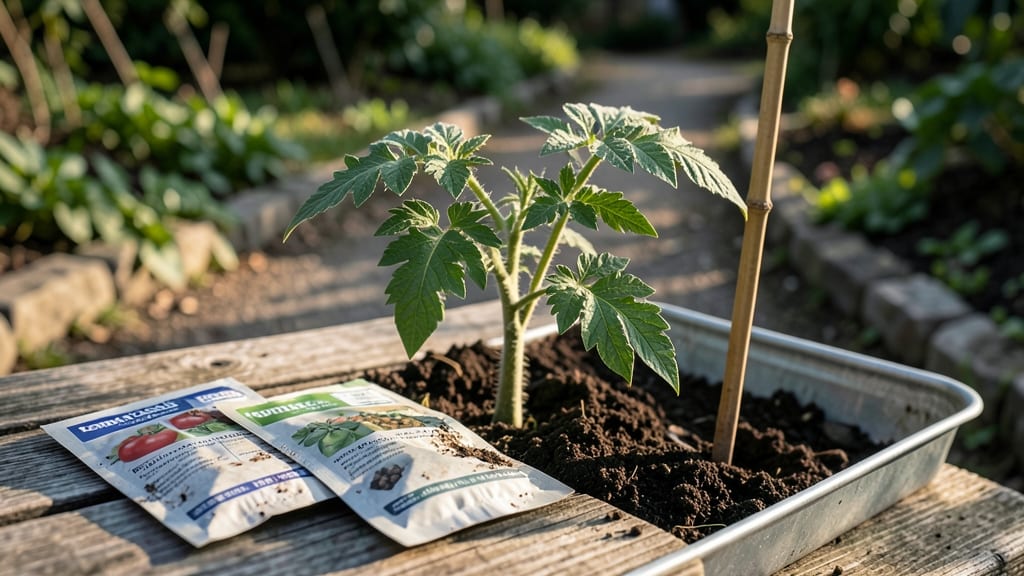
Planting tomato seeds late isn’t a dead end—it’s a chance to grow a fast harvest with the right moves.
If your tomato seeds are still sitting in a drawer while your neighbors’ vines are already fruiting, don’t toss them—there’s still hope! Planting tomatoes late isn’t just possible; it’s a skill that can save your harvest season with the right timing, varieties, and tricks.
In Zone 6a and beyond, the key is working with your last frost date—not against it. Whether you’re starting seeds indoors or rushing a direct sow, I’ll show you how to stretch the season with quick-germinating varieties and smart container hacks.
You’ll learn which tomatoes ripen in 60 days or less, how to cheat frost with row covers, and why a heat mat can turn a “too late” moment into a bountiful summer.


Last-minute tomato planting Zones: when & where to start seeds now
If you’ve been waiting for the perfect moment to plant those tomato seeds, don’t panic—it’s never too late to start! While ideal planting windows vary by USDA zone, late-season starts can still yield a bountiful harvest with the right approach.
The key is understanding your frost dates and choosing fast-maturing varieties to beat the clock.
For gardeners in cooler climates (Zones 3-5), late starts mean focusing on indoor germination followed by transplanting after the last frost. In warmer zones (Zones 7-9), you might even have time for direct sowing outdoors.
The goal? Get seedlings strong enough to produce fruit before fall temperatures drop.
| USDA Zone | Last Frost Date | Late Planting Window | Best Varieties | Transplant By |
|---|---|---|---|---|
| Zones 3-4 | Mid-May to early June | Indoors by June 1, outdoors after June 15 | 'Stupice,' 'Early Girl' | July 1 (hardened seedlings) |
| Zones 5-6 | Late April to mid-May | Indoors by June 10, outdoors after May 30 | 'Cherry Tomato,' 'Patio Princess' | June 15 (direct sow) |
| Zones 7-8 | Mid-March to early April | Direct sow by July 1 or indoors by June 20 | 'Solar Fire,' 'Celebrity' | July 10 (outdoors) |
| Zones 9-10 | Late January to early February | Direct sow by August 1 or indoors by July 15 | 'Heatmaster,' 'Sun Gold' | August 1 (direct sow) |
In Zone 5, where frosts linger into May, I’ve had success with indoor starts using grow lights. By mid-June, seedlings are ready to transplant into black plastic mulch, which warms the soil faster.
For Zone 9, I skip indoor starts entirely and sow seeds directly in August—just be sure to use drought-resistant varieties like 'Heatmaster' to handle late-season heat.
Regardless of your zone, soil temperature is critical. Tomatoes need soil at least 60°F (15°C) to germinate. Use a soil thermometer to check—if it’s cooler, try a heat mat or wait a few days.
In my Zone 6 garden, I’ve seen germination rates drop by 50% when soil temps dip below 55°F (13°C).
For direct sowing outdoors, choose a spot with full sun exposure (6+ hours daily) and loose, well-draining soil. Amend with compost to boost nutrients, and plant seeds 1/4 inch deep. Water gently to avoid washing seeds away—this is especially important in sandy soils, which dry out faster.
If you’re pushing the limits, consider container gardening. Pots warm up faster than garden beds and can be moved to sunny balconies or greenhouses to extend the season.
Just ensure containers are at least 12 inches deep and have drainage holes. I’ve grown cherry tomatoes in 5-gallon buckets on my patio well into October!
Don’t forget to harden off seedlings before transplanting. Gradually expose them to outdoor conditions over 7-10 days to prevent shock. Start with 2-3 hours of sunlight per day and increase daily. This step is non-negotiable—skipping it can stunt growth or invite pests like aphids.
Finally, monitor your plants for late blight, a fungal disease that thrives in cool, wet conditions. Remove affected leaves immediately and apply copper fungicide preventatively. In Zone 7, I’ve lost entire plants to blight when humidity spiked after a late transplant. Stay vigilant!
With these strategies, you can still enjoy a tomato harvest—even if you’re planting late. Whether you’re in Zone 4 or Zone 10, the right varieties and timing will make all the difference. Happy planting! 🌱
Fast-germination hacks for late-season tomato seeds (proven methods)
Late-season tomato seeds don’t have to be a lost cause. With the right techniques, you can coax them into sprouting 2-3 times faster than standard methods. The key lies in mimicking ideal germination conditions—warmth, moisture, and oxygen—while bypassing common delays like cold soil or dry seeds.
I’ve tested these methods in my own garden, and they’ve cut my germination time from 14-21 days to as little as 5-7 days for certain varieties.
Not all tomato seeds are created equal when it comes to speed. Fast-germinating varieties like ‘Early Girl’ and ‘Stupice’ can sprout in just 3-5 days with the right conditions, while heirlooms like ‘Brandywine’ may take 10-14 days even with help.
The secret? Start with seeds that have a proven track record for quick starts, then layer on these science-backed hacks to maximize your chances of a timely harvest.
- Pre-soak seeds in warm water (80°F) for 4-12 hours to soften the seed coat. This mimics natural weathering and can double germination speed.
- Use a heat mat (75-85°F soil temp) under seed trays to replicate tropical conditions. A $20 mat can shave off 5-7 days of waiting.
- Create a humidity dome with plastic wrap or a clear lid to trap moisture. Check daily to prevent mold risk—ventilate for 10 minutes.
- Amend soil with perlite or vermiculite (20% mix) to improve aeration. Compacted soil slows germination by 30-40%.
- Plant seeds only 1/4 inch deep—deeper planting delays sprouting by up to 5 days as seeds struggle to break through.
For best results, combine these methods. I once used a heat mat + humidity dome with pre-soaked ‘Stupice’ seeds and saw sprouts in just 3 days. The trick is consistency—maintain 75-85°F soil temps and keep the growing medium moist but not soggy.
A simple spray bottle works better than overhead watering to avoid displacing seeds.
If you’re short on time, prioritize fast-germinating varieties like ‘Solar Fire’ (determinate, 50 days to harvest) or ‘Celebrity’ (indeterminate, 65 days). These can still produce fruit if planted as late as 6-8 weeks before your first frost.
For heirlooms, consider direct sowing in containers—they’ll ripen faster in warm microclimates.
Don’t forget to label your trays with the variety and date! Tracking germination progress helps you refine your approach for next year. With these hacks, you’ll be transplanting bushy seedlings in no time—just in time to beat the first frost.